


The US Securities and Exchange Commission (SEC) has sued billionaire Elon Musk, saying he failed to disclose his ownership of Twitter stock in a timely manner in early 2022, before buying the social media site.
As a result, the SEC alleges, Musk was able to underpay “by at least US$150 million” for shares he bought after he should have disclosed his ownership of more than 5 percent of Twitter’s shares. Musk bought Twitter in October 2022 and later renamed it X.
Musk started amassing Twitter shares in early 2022, and by March of that year, he owned more than 5 percent. At this point, the complaint says, he was required by law to disclose his ownership, but he failed to do so until April 4, 11 days after the report was due.
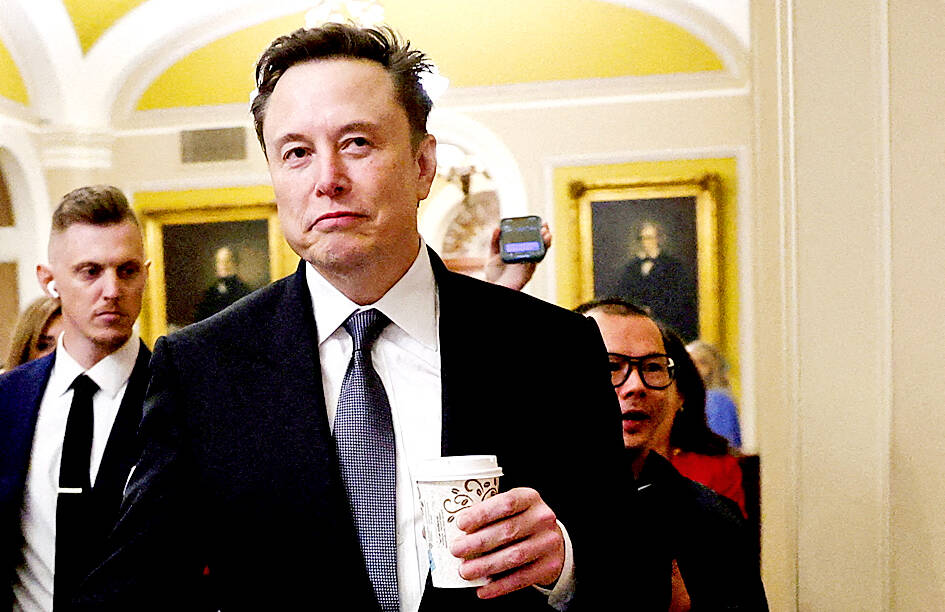
Photo: Reuters
Musk’s lawyer, Alex Spiro, said in a statement that the lawsuit “is an admission by the SEC that they cannot bring an actual case” since Musk has “done nothing wrong.” He called the lawsuit a “sham.”
“As the SEC retreats and leaves office — the SEC’s multi-year campaign of harassment against Mr Musk culminated in the filing of a single-count ticky tack complaint against Mr Musk under Section 13(d) for an alleged administrative failure to file a single form — an offense that, even if proven, carries a nominal penalty,” Spiro added.
After Musk signed a deal to acquire Twitter in April 2022, he tried to back out of it, prompting the firm to sue him to force him to go through with the acquisition.
The has SEC said that starting in April 2022, it authorized an investigation into whether any securities laws were broken in connection with Musk’s purchases of Twitter stock, and his statements and SEC filings related to the company.
Before it filed the lawsuit, the SEC went to court in an attempt to compel Musk to testify as part of an investigation into his purchase of Twitter.
SEC Chairman Gary Gensler, plans to step down from his post on Monday next week, and it is not clear if the new administration would continue the lawsuit.
Shares of contract chipmaker Taiwan Semiconductor Manufacturing Co (TSMC, 台積電) came under pressure yesterday after a report that Apple Inc is looking to shift some orders from the Taiwanese company to Intel Corp. TSMC shares fell NT$55, or 2.4 percent, to close at NT$2,235 on the local main board, Taiwan Stock Exchange data showed. Despite the losses, TSMC is expected to continue to benefit from sound fundamentals, as it maintains a lead over its peers in high-end process development, analysts said. “The selling was a knee-jerk reaction to an Intel-Apple report over the weekend,” Mega International Investment Services Corp (兆豐國際投顧) analyst Alex Huang
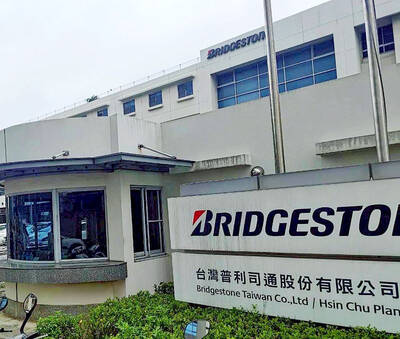
TRANSITION: With the closure, the company would reorganize its Taiwanese unit to a sales and service-focused model, Bridgestone said Bridgestone Corp yesterday announced it would cease manufacturing operations at its tire plant in Hsinchu County’s Hukou Township (湖口), affecting more than 500 workers. Bridgestone Taiwan Co (台灣普利司通) said in a statement that the decision was based on the Tokyo-based tire maker’s adjustments to its global operational strategy and long-term market development considerations. The Taiwanese unit would be reorganized as part of the closure, effective yesterday, and all related production activities would be concluded, the statement said. Under the plan, Bridgestone would continue to deepen its presence in the Taiwanese market, while transitioning to a sales and service-focused business model, it added. The Hsinchu
Taiwan Semiconductor Manufacturing Co (TSMC, 台積電) has approved a capital budget of US$31.28 billion for production expansion to meet long-term development needs during the artificial intelligence (AI) boom. The company’s board meeting yesterday approved the capital appropriation plan for purposes such as the installation of advanced technology capacity and fab construction, the world’s largest contract chipmaker said in a statement. At an earnings conference last month, TSMC forecast that its capital expenditure for this year would be at the higher end of the US$52 billion to US$56 billion range it forecast in January in response to robust demand for 5G, AI and
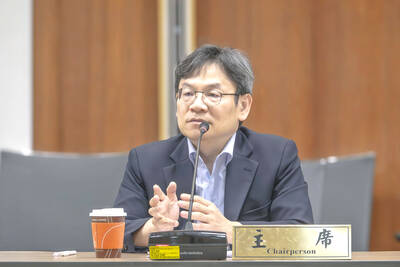
Taiwan Semiconductor Manufacturing Co’s (TSMC, 台積電) investment project in Arizona has progressed better than expected, but it still faces challenges such as water and labor shortages, National Development Council (NDC) Minister Yeh Chun-hsien (葉俊顯) said yesterday. Speaking with reporters after visiting TSMC’s Arizona hub and attending the SelectUSA Investment Summit in Maryland last week, Yeh said TSMC’s Arizona site turned a profit of NT$16.14 billion (US$514 million) last year in its first full year of mass production. “TSMC told me it was surprised by the smooth trial run of the first fab, which has left the company optimistic about the project’s outlook,”


 RSS
RSS