


Yulon Motor Co (裕隆汽車) yesterday released a positive growth projection for revenue this year, thanks to increasing shipments of its first electric vehicle (EV) model based on the MIH Open EV Platform developed by Hon Hai Precision Industry Co (鴻海精密), also known as Foxconn.
Yulon started shipping the electric sports utility vehicle Luxgen n7 earlier this year with shipments totaling 500 units in the first quarter, Yulon Motor spokesman Steven Lo (羅文邑) told investors during a virtual conference.
“In March and April, we expedited shipments to 1,200 to 15,000 units a month,” Lo said. “With higher shipments from the second quarter, we expect to complete the 9,000 Luxgen n7s in preorders by the third quarter.”
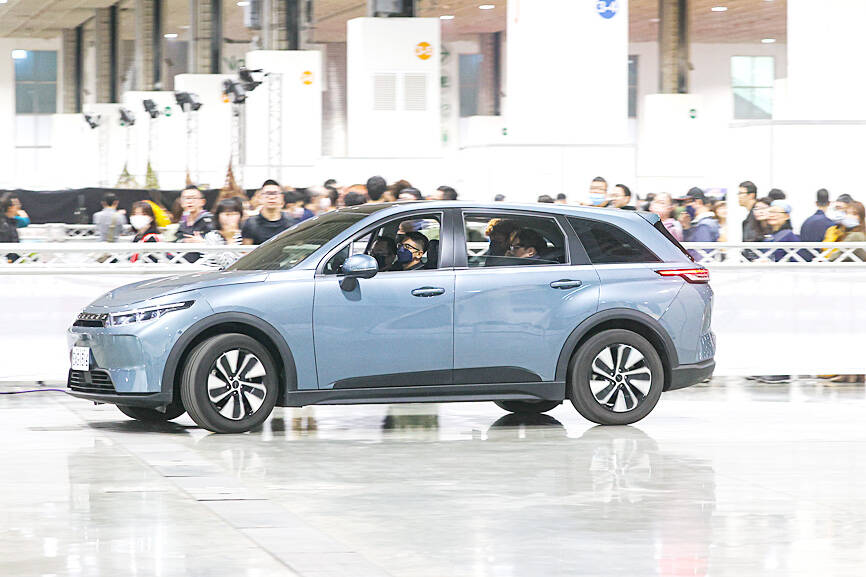
Photo: CNA
Yulon manufactures the electric vehicle while its subsidiary, Luxgen Motor Co (納智捷汽車), sells it. Luxgen has received about 20,000 n7 preorders since September 2022 and plans to accept second-wave orders from next month or June, Lo said.
Luxgen n7 is designed and based on the Model C EV developed by Foxtron Vehicle Technologies Co (鴻華先進), a joint EV venture between Hon Hai and Yulon.
“We are positive about the company’s revenue outlook, with Luxgen n7 being a major highlight of the year,” Lo said.
He said Yulon and Luxgen are discussing plans to introduce new EV models later this year, but did not elaborate.
Hon Hai last month said the new-generation Model B electric car, also designed by Foxtron, would be ready for mass production and open for preorders at the end of this year.
Regarding speculation that Yulon might distribute Chinese EVs made by BYD Co (比亞迪) and Chery Automobile Co (奇瑞汽車) in Taiwan, Lo said the company does not rule out any possibility of making vehicles for other brands, but has no substantial plans to partner with Chinese companies.
Yulon’s consolidated revenue last year expanded 6.54 percent to NT$82.12 billion (US$2.53 billion) from NT$77.08 billion in 2022, partly helped by its auto financing business operated by another subsidiary, Taiwan Acceptance Corp (裕融). Net income improved to NT$8.04 billion last year, reversing a loss of NT$469 million the previous year.
Lo said Yulon’s gross margin this year should stay at a similar level to last year when it fell slightly to 35 percent from 36 percent in 2022.
Shares of contract chipmaker Taiwan Semiconductor Manufacturing Co (TSMC, 台積電) came under pressure yesterday after a report that Apple Inc is looking to shift some orders from the Taiwanese company to Intel Corp. TSMC shares fell NT$55, or 2.4 percent, to close at NT$2,235 on the local main board, Taiwan Stock Exchange data showed. Despite the losses, TSMC is expected to continue to benefit from sound fundamentals, as it maintains a lead over its peers in high-end process development, analysts said. “The selling was a knee-jerk reaction to an Intel-Apple report over the weekend,” Mega International Investment Services Corp (兆豐國際投顧) analyst Alex Huang
Taiwan Semiconductor Manufacturing Co (TSMC, 台積電) is expected to remain Apple Inc’s primary chip manufacturing partner despite reports that Apple could shift some orders to Intel Corp, industry experts said yesterday. The comments came after The Wall Street Journal reported on Friday that Apple and Intel had reached a preliminary agreement following more than a year of negotiations for Intel to manufacture some chips for Apple devices. Taiwan Institute of Economic Research (台灣經濟研究院) economist Arisa Liu (劉佩真) said TSMC’s advanced packaging technologies, including integrated fan-out and chip-on-wafer-on-substrate, remain critical to the performance of Apple’s A-series and M-series chips. She said Intel and Samsung
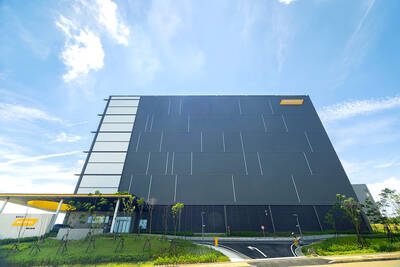
POWER BUILDUP: Powered by Nvidia’s B200 Blackwell chips, the data center would support MediaTek’s computing power demand and business growth, the company said Smartphone chip designer MediaTek Inc (聯發科) yesterday launched a new artificial intelligence (AI) data center with a maximum capacity of 45 megawatts to meet its rising demand for computing power required to develop new advanced chips for AI applications. The company has completed the first-phase computing power buildup at the data center in Miaoli County’s Tongluo Township (銅鑼), providing 15 megawatts of capacity to support its research and development (R&D) capabilities, despite an industrywide shortage of key components, MediaTek said. Supply constraints have plagued a wide range of key components, including memory chips, solid-state drives, power supply units and central
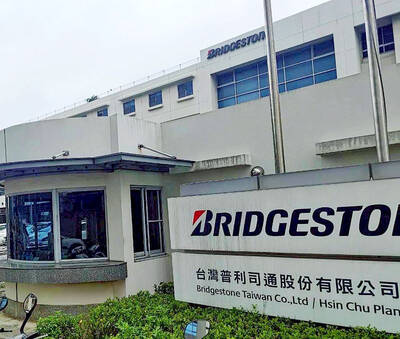
TRANSITION: With the closure, the company would reorganize its Taiwanese unit to a sales and service-focused model, Bridgestone said Bridgestone Corp yesterday announced it would cease manufacturing operations at its tire plant in Hsinchu County’s Hukou Township (湖口), affecting more than 500 workers. Bridgestone Taiwan Co (台灣普利司通) said in a statement that the decision was based on the Tokyo-based tire maker’s adjustments to its global operational strategy and long-term market development considerations. The Taiwanese unit would be reorganized as part of the closure, effective yesterday, and all related production activities would be concluded, the statement said. Under the plan, Bridgestone would continue to deepen its presence in the Taiwanese market, while transitioning to a sales and service-focused business model, it added. The Hsinchu


 RSS
RSS