

Polyester and textiles producer Far Eastern New Century Corp (FENC, 遠東新世紀) has developed a bio-based material derived from sugarcane bagasse that can be used in the production of masks.
The firm would team up with major domestic mask makers to use the material for making medium and high-end masks, FENC told the Central News Agency.
While the quality of bio-based fibers and petroleum-based synthetic fibers are similar, biodegradable materials are gentler on the skin and have good water absorption, the company said.
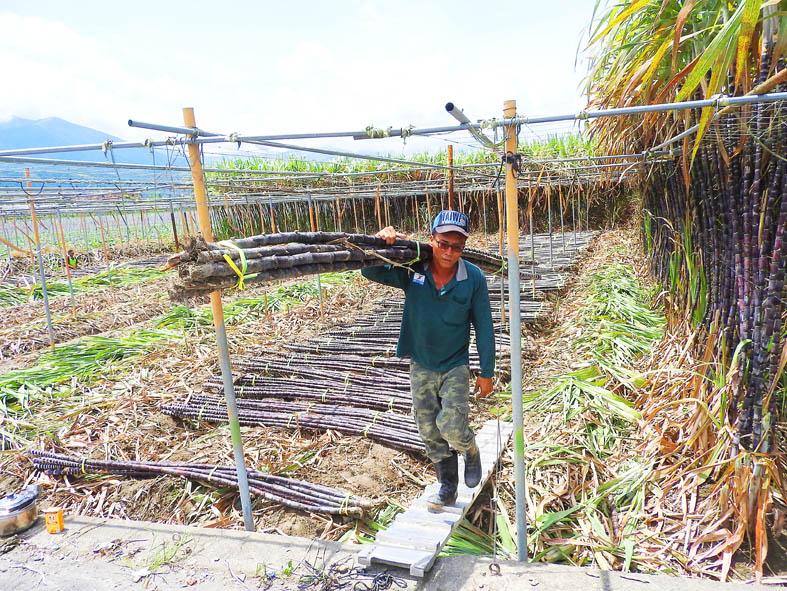
Photo: Tung Chen-kuo, Taipei Times
The use of bio-based materials not only reduces reliance on petroleum-based materials in production, but also reduces carbon emissions by up to 60 percent, the firm said.
Bio-based fibers cost about US$3 per kilogram — about three times that of petroleum-based alternatives, FENC said.
Despite the price, some of the firm’s customers in Japan and Europe have expressed an interest in the materials, a senior firm executive said on condition of anonymity.
The bio-based fibers can also be used to produce products such as diapers and alcohol wipes, the executive said.
FENC is a prominent supplier of raw materials to mask producers around the world. Last year, it supplied one-seventh of the world’s total materials for mask production.
The firm’s biodegradable unwoven fibers include a green polyethylene made out of sugarcane ethanol.
Taiwanese firms have tirelessly developed sustainable solutions to preserve the environment, said Steven Chen (陳世中), head of the Taiwan Nonwoven Fabrics Industry Association (臺灣不織布工業公會).
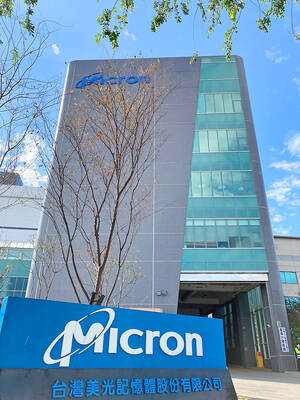
STOCK, CASH: Quarterly profit-sharing bonuses would supplement payments under the Incentive Pay Plan, offering ‘transparency’ and ‘predictability,’ an executive said Micron Memory Taiwan Co (台灣美光) yesterday unveiled a new profit-sharing program and structural wage hikes as part of its efforts to build a predictable and transparent compensation framework in response to feedback from unions. The memorychip maker, a subsidiary of US-based Micron Technology Inc, announced the major compensation structural overhaul during an online news conference following a milestone agreement with the union representing more than 10,000 workers at its Taichung facility. Under the new framework, quarterly profit-sharing bonuses would supplement payments under the Incentive Pay Plan (IPP), the company said. The IPP formula has also been substantially enhanced, it said. “Profit-sharing mechanisms are common

Luxury powerhouses including Hermes and Cartier are suffering steeper slumps in China, in a sign that a spending pullback by the country’s wealthy consumers is hitting even the most resilient brands. Sales at the brands in mainland China fell as much as double-digits in August and last month compared to the same period a year ago, two research firms surveyed by Bloomberg that track industry data said. The drop is significant as Hermes International SCA and Cie Financiere Richemont SA’s Cartier had been relatively unaffected in the country as a broader slowdown in luxury consumption took hold in June, the firms’

Micron Memory Taiwan and a union representing workers at its Taichung operations today said they had signed a labor-management agreement covering multiple issues, prompting both sides to withdraw from mediation scheduled for tomorrow. The joint statement did not disclose the terms of the agreement, saying the company and the union would separately communicate details to affected employees in the coming days. Idaho-based Micron, the world's third-largest memory chipmaker, employs about 15,000 people in Taiwan, a key manufacturing base where it produces DRAM and high-bandwidth memory chips used in artificial intelligence (AI) servers. Any disruption to Micron's Taiwan operations could affect already strained global
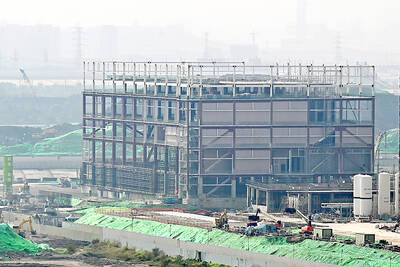
Taiwan Semiconductor Manufacturing Co (TSMC, 台積電) is suspending some construction work after an accident at one of its building sites in southern Taiwan led to the deaths of four workers. The incident took place on Tuesday during steel structure construction at TSMC’s Fab 22 in Kaohsiung, the company said. Workers fell from a height while performing steel structure hoisting and installation, a report from the Central News Agency said. A cause might be aged bolts, it said, citing a preliminary assessment by the Southern Taiwan Science Park Bureau. The bureau said that work would only resume after Shang Hao Machinery Co (上昊機械),


 RSS
RSS