


Teco Electric and Machinery Co (東元電機), one of Taiwan’s leading suppliers of electric motors, on Friday reported net profit of NT$1.44 billion (US$51.75 million) for last quarter, up 30.4 percent quarter-on-quarter, but down 2.84 percent year-on-year.
Earnings per share were NT$0.68, compared with NT$0.53 in the previous quarter, but down from NT$0.76 a year earlier, the company's financial statement showed.
While Teco’s profit fell from a year earlier, its sales continued to rise both quarterly and annually.
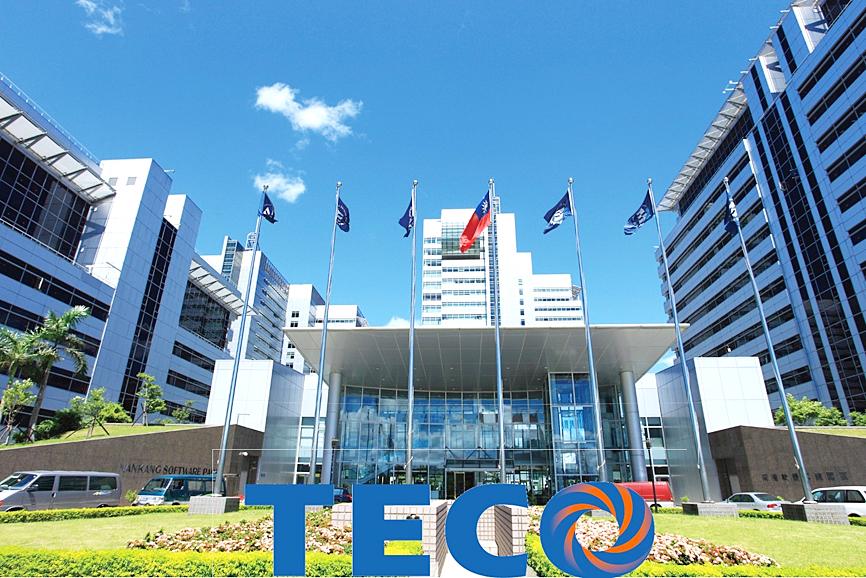
Photo courtesy of Teco Electric & Machinery Co
The financial statement showed that consolidated revenue was NT$13.49 billion in the second quarter, up 12.5 percent quarter-on-quarter and 20.02 percent year-on-year.
The company’s gross margin reached 27.78 percent last quarter, up from 26.6 percent in the first quarter and also hitting the highest since the 2008 global financial crisis, the company said.
Teco's net profit in the first half of the year reached NT$2.54 billion, up 31.8 percent from the NT$1.93 billion it made in the same period of last year.
Earnings per share were NT$1.21, up from the NT$0.99 in the first half of last year.
During the first six months of this year, consolidated revenue increased 16.3 percent year-on-year to NT$25.48 billion, with gross margin of 27.09 percent, up 1.3 percentage points from 25.79 percent a year earlier.
Looking ahead, the company plans to continue extending its reach in the electric vehicle (EV) market, where it expects significant growth and has set a target of NT$300 million for revenue from its EV-related products, the Central News Agency reported yesterday.
In the past few years, Teco has been producing “permanent magnet synchronous motors” (PMSM) which typically have a higher torque capacity and better torque utilization with faster acceleration and deceleration than traditional induction motors.
Teco’s new-generation high-performance powertrain is aimed at markets in the Asia-Pacific region, Southeast Asia, India and Europe, the CNA reported.
Featuring a modular design, Teco’s electric vehicle motor and motor controller consist of expandable modules with different powers, boasting high reliability and environmental endurance, the report said.
Applications include higher-grade passenger cars, sports utility vehicles and light-duty commercial cars, it said.
Teco said its PMSMs have been incorporated into Taiwan’s EV bus supply chain.
Its powertrain solutions are expected to be realized gradually sometime after the third quarter of this year.
The company’s Indian production facilities for EV powertrains are to be completed by the end of this year, with manufacturing to begin from January next year, the report added.

In Italy’s storied gold-making hubs, jewelers are reworking their designs to trim gold content as they race to blunt the effect of record prices and appeal to shoppers watching their budgets. Gold prices hit a record high on Thursday, surging near US$5,600 an ounce, more than double a year ago as geopolitical concerns and jitters over trade pushed investors toward the safe-haven asset. The rally is putting undue pressure on small artisans as they face mounting demands from customers, including international brands, to produce cheaper items, from signature pieces to wedding rings, according to interviews with four independent jewelers in Italy’s main
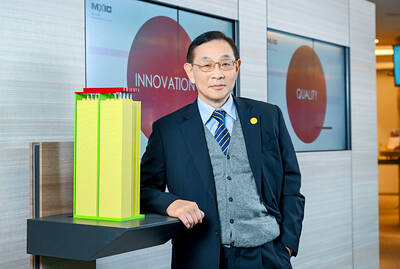
Macronix International Co (旺宏), the world’s biggest NOR flash memory supplier, yesterday said it would spend NT$22 billion (US$699.1 million) on capacity expansion this year to increase its production of mid-to-low-density memory chips as the world’s major memorychip suppliers are phasing out the market. The company said its planned capital expenditures are about 11 times higher than the NT$1.8 billion it spent on new facilities and equipment last year. A majority of this year’s outlay would be allocated to step up capacity of multi-level cell (MLC) NAND flash memory chips, which are used in embedded multimedia cards (eMMC), a managed

Japanese Prime Minister Sanae Takaichi has talked up the benefits of a weaker yen in a campaign speech, adopting a tone at odds with her finance ministry, which has refused to rule out any options to counter excessive foreign exchange volatility. Takaichi later softened her stance, saying she did not have a preference for the yen’s direction. “People say the weak yen is bad right now, but for export industries, it’s a major opportunity,” Takaichi said on Saturday at a rally for Liberal Democratic Party candidate Daishiro Yamagiwa in Kanagawa Prefecture ahead of a snap election on Sunday. “Whether it’s selling food or

In the wake of strong global demand for AI applications, Taiwan’s export-oriented economy accelerated with the composite index of economic indicators flashing the first “red” light in December for one year, indicating the economy is in booming mode, the National Development Council (NDC) said yesterday. Moreover, the index of leading indicators, which gauges the potential state of the economy over the next six months, also moved higher in December amid growing optimism over the outlook, the NDC said. In December, the index of economic indicators rose one point from a month earlier to 38, at the lower end of the “red” light.


 RSS
RSS