


Telecom operators Orange Belgium and Proximus have decided to progressively replace Huawei Technologies Co-made (華為) mobile equipment in Belgium and Luxembourg with Nokia gear, two sources close to the matter said.
The operators, which share their mobile network, had faced political pressure to drop Huawei as a supplier following US accusations that Huawei’s gear could be used for spying by Beijing, the sources said.
Orange and Nokia declined to comment. Proximus did not immediately respond to a request for comment on Thursday evening, while Huawei had no immediate comment.
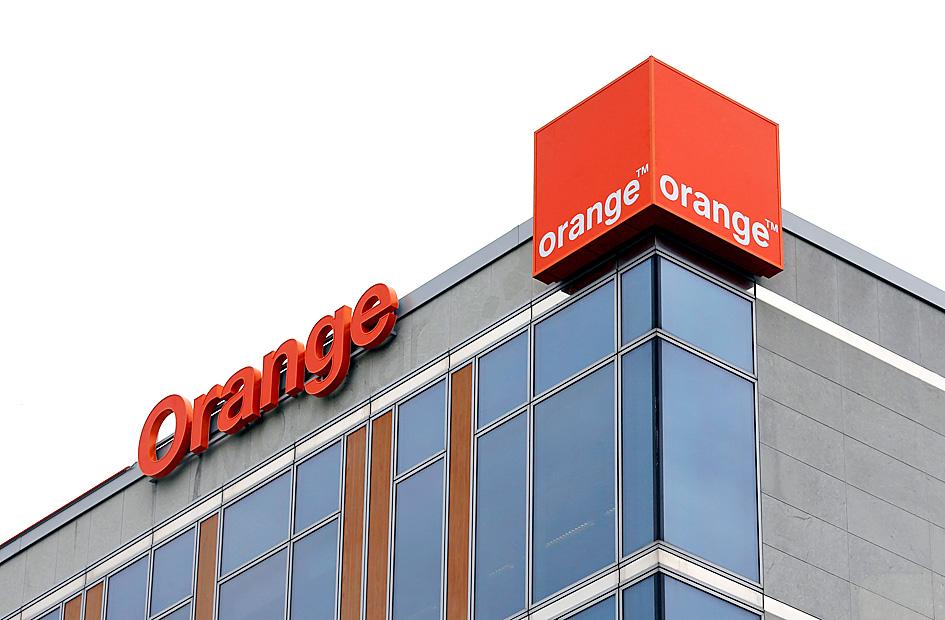
Photo: Reuters
The move by Orange and Proximus represents one of the first cases in Europe where commercial operators have dropped Huawei from their 5G networks in response to political pressure.
China and Huawei deny the spying allegations, but Belgium’s capital, Brussels, is home to the EU’s executive body and parliament, making it a strategic location and a matter of particular concern for US intelligence agencies.
“There’s a profound insistence on the need to push Huawei towards the exit,” one of the two sources said.
“There’s also a growing concern about Huawei’s capacity to produce its equipment,” the source added, referring to the US’ decision to cut off Huawei’s access to vital computer chips.
Nokia last month announced that it had clinched a deal with Britain’s biggest mobile operator BT Group PLC to supply 5G radio equipment.
Proximus and Orange’s Belgian division last year signed an agreement to share their mobile network, which is why the decision to shift to Nokia was a collective one.
Orange Belgium has partnered with Huawei since 2007 for the deployment of its mobile network in Belgium and Luxembourg. Proximus chose the Shenzhen-based company in 2009 for the progressive upgrading of its network.
Other European countries are moving toward greater restrictions on Huawei.
The German government is planning tougher oversight of telecom network vendors that would make it harder for Huawei to keep a foothold in Europe’s largest market.
France, the EU’s second-largest economy, would de facto ban Huawei’s mobile equipment by 2028, sources close to the matter said in July.
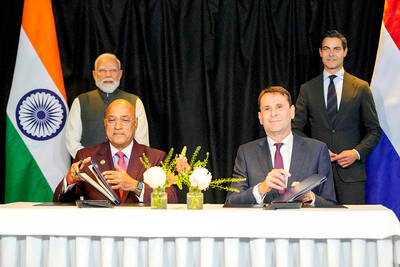
NEW MARKET: The partnership opens up India to the Dutch company, which already has a strong hold in the semiconductor market of South Korea, Taiwan and China ASML Holding NV entered into a partnership agreement with Tata Electronics Pvt Ltd aimed at ramping up India’s goal to develop domestic chip-manufacturing capabilities. The Dutch company’s technology would help power Tata Electronics’ planned 300 millimeter (mm) semiconductor foundry in Gujarat, according to a joint statement from the two companies on Saturday. The signing of a memorandum of understanding coincides with a visit by Indian Prime Minister Narendra Modi to the Netherlands, which is looking to deepen bilateral relations with New Delhi. ASML, whose top customers include Taiwan Semiconductor Manufacturing Co (台積電) and Samsung Electronics Co, makes lithography machines that can print
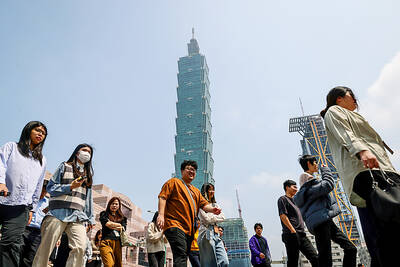
TECH RELIANCE: Growth is increasingly reflecting an unequal K-shaped distribution, where technology sectors outperform and other industries struggle, an expert said Standard Chartered Bank has significantly raised its forecast for Taiwan’s economic growth to 9.5 percent this year, up from 7.6 percent previously, citing surging artificial intelligence (AI) demand driving exports, semiconductor production and investment. The upgrade reflects a sustained AI supercycle that continues to fuel demand for advanced chips and technology infrastructure, which form the backbone of Taiwan’s exports, the bank said in a report this week. “We raise our 2026 growth forecast to reflect a much stronger-than-expected first-quarter GDP figure,” Standard Chartered senior economist for greater China and Asia Tommy Wu (胡東安) said in the report. Driven largely by a 35.3 percent
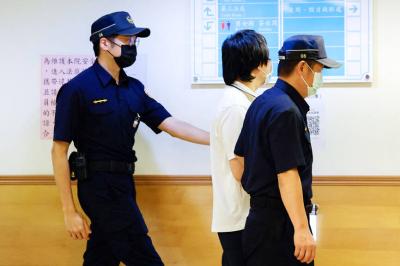
Tokyo Electron's Taiwan unit today said in a written response that it respects the judicial process, takes the court ruling seriously and would not appeal in the Taiwan Semiconductor Manufacturing Co (TSMC, 台積電) trade secrets case. Last month, a court fined the Taiwan unit of Japan's Tokyo Electron NT$150 million (US$4.74 million) in a case involving trade secrets related to TSMC's sensitive chip technology.
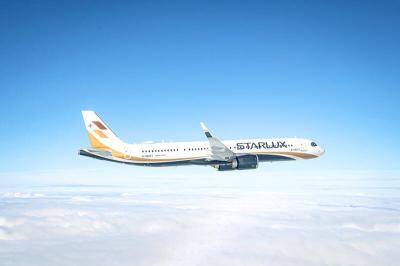
Two of Taiwan’s international carriers, Starlux Airlines Co (星宇航空) and EVA Airways Corp (長榮航空), have retained the five-star airline rating awarded by international airline review organization Skytrax. Starlux was awarded the distinction for a second consecutive year, while EVA Air received it for the 11th straight year, Skytrax said in statements released yesterday and on Thursday last week, respectively. The five-star rating is considered one of the airline industry's highest honors and is awarded following professional audits of airline product and frontline service standards, Skytrax said. The ratings are based on in-depth assessments using unified global quality standards rather than customer review scores


 RSS
RSS