


Singapore yesterday announced S$5.1 billion (US$3.55 billion) in additional economic spending, such as wage support, waiver of levies and one-off payments, to combat a downturn during the COVID-19 pandemic.
“This is an unprecedented budget for extraordinary times,” Singaporean Minister of Finance Heng Swee Keat (王瑞傑) told parliament just over a week after the city-state unveiled more than US$30 billion in new support measures as it braces for its worst recession.
On Friday, Singapore said it would close schools and most workplaces for a month as part of stricter measures to curb a recent jump in infections. Singapore has reported a total of 1,309 infections and six deaths from the novel coronavirus.
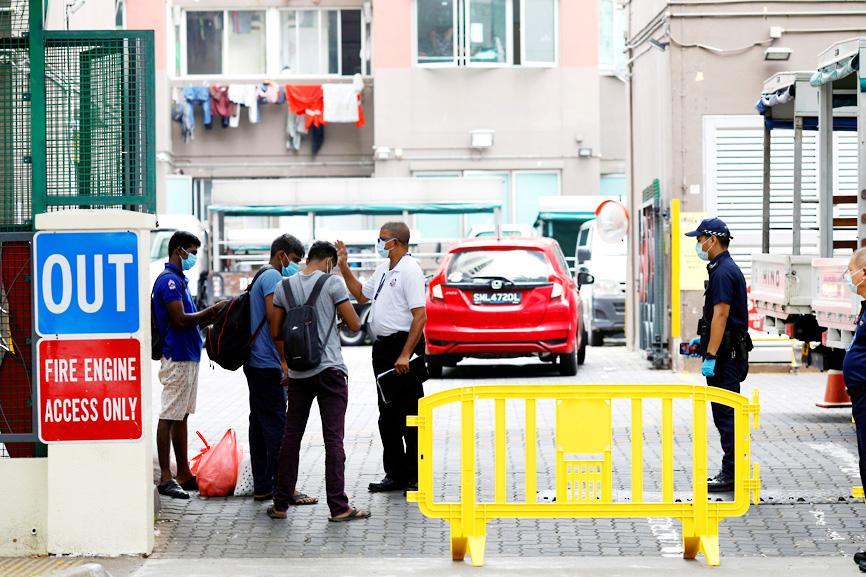
Photo: Reuters
The new measures unveiled in the third budget would increase the total spending on coronavirus relief to S$59.9 billion, or 12 percent of GDP, Heng said.
Singapore would draw an additional S$4 billion from its past reserves to fund the new measures, he said.
“The situation remains highly fluid and uncertain. The government stands ready to provide further support should it become necessary,” Heng said.
Singapore’s overall budget deficit for financial year 2020 is expected to increase to S$44.3 billion, or 8.9 percent of GDP, he said.
Separately, Japanese Prime Minister Shinzo Abe’s government is to pledge to take “all steps” encompassing fiscal, monetary and tax policies to battle the deepening fallout from the pandemic in a stimulus package to be approved today, a draft document showed.
Abe has pledged to craft an “unprecedented” stimulus package to respond to the global downturn inflicted by the pandemic, which would exceed the size of one compiled in the wake of the 2009 financial crisis totaling ¥56 trillion (US$514 billion) in size, with fiscal spending of ¥15 trillion.
Neither the size of the package nor the amount of fiscal measures has yet been determined, according to the draft prepared by the government, but in a measure of how seriously the government views the situation, the document refers to the pandemic as the “biggest crisis” the global economy has faced since World War II.
The draft package features direct payments to households and financial backstops to companies, highlighting extensive damage from the virus, which has fueled fears of a recession, while the government looks set to declare a state of emergency.
The spending plan includes subsidies for households with children, cash payouts to small and medium-sized firms to help them continue business operations, and arrangements to allow them to borrow at 0 percent interest and without collateral from private financial institutions.
To fund the package, the government would issue deficit-covering bonds, adding further strain to the industrial world’s heaviest public debt at more than twice the size of its US$5 trillion economy.
Sources told reporters last week that Japan would boost government bond issuance by ¥16 trillion to about ¥145 trillion to be sold in the market this fiscal year, which would mark the first rise in annual bond issuance in four years.
The package draft also aims to boost production of Fujifilm Holding Corp’s Avigan anti-flu drug during this fiscal year so it can be used to treat 2 million people.
Taiwan Semiconductor Manufacturing Co (TSMC, 台積電) yesterday reported record revenue of NT$416.975 billion (US$13.17 billion) for last month, putting the world’s largest contract chipmaker on track to set a record for quarterly revenue. Last month’s figure surpassed March’s record NT$415.19 billion and represented increases of 1.5 percent from April and 30.1 percent from a year earlier. For the first five months of the year, TSMC generated NT$1.96 trillion in revenue, up 30 percent year-on-year, it said in a statement. TSMC has forecast second-quarter revenue of between US$39 billion and US$40.2 billion, representing sequential growth of about 10 percent and year-on-year growth of about

Infineon Technologies AG is preparing to open its largest single investment, a 5 billion euro (US$5.8 billion) semiconductor factory built with the help of EU subsidies, as the bloc seeks to boost chip production. The power chip fab, which is an extension of the German company’s Dresden campus, is scheduled to open on July 2, Infineon chief operating officer Alexander Gorski said this week at the site. The project is a major recipient of EU Chips Act funds, receiving about 1 billion euros in subsidies. The new plant represents a rare success for the bloc’s flagship semiconductor law, which was drawn up during
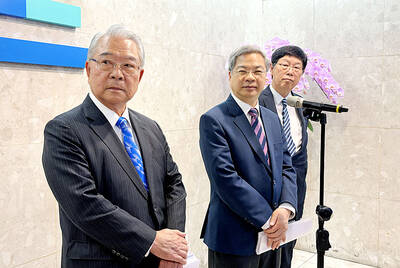
PATENT PROBE: US lawmakers called for a ban on imports of chips made by TSMC if they are found to infringe on US patents, with a preliminary ruling expected soon Minister of Economic Affairs Kung Ming-hsin (龔明鑫) yesterday expressed confidence in Taiwan Semiconductor Manufacturing Co’s (TSMC, 台積電) compliance with patent regulations after reports linked the company to a patent infringement lawsuit in the US. US Representative Ryan Zinke, and US senators Tim Sheehy, Roger Marshall and Bernie Moreno urged the US International Trade Commission in a May 22 letter to ban imports of chips made by TSMC if they are found to infringe on US patents, Axios reported on Wednesday. An administrative law judge is expected to issue a preliminary ruling this month, with the commission potentially making a final decision in
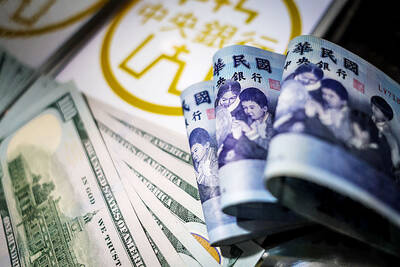
Taiwan remained the sixth-largest net creditor nation in the world last year, despite a fall of more than 10 percent in its net international investment position (NIIP) over the year, the central bank said yesterday. The NIIP is the difference between a country’s external financial assets and its external financial liabilities. Taiwan’s external financial assets hit US$3.27 trillion at the end of last year, up US$275.75 billion or 9.2 percent from a year earlier, the central bank said in its annual NIIP report. The growth largely reflected an increase in holdings of overseas marketable securities by residents in Taiwan, as well as a


 RSS
RSS