


Britain, France and the US are up against a united front of African and Muslim countries, backed by China and Russia, over the imminent indictment of Sudanese President Omar al-Bashir for war crimes and crimes against humanity allegedly committed in Darfur.
Diplomatic sources said on Monday that a pre-trial panel of three judges at the International Criminal Court (ICC) in The Hague was expected to authorize an arrest warrant within the next two weeks. Bashir will be the first head of state to be charged by the ICC since it was founded in 2002.
The African Union, the Arab League, the Organization of the Islamic Conference, and an influential UN bloc of developing nations known as the Group of 77 and China have all backed Sudan’s calls for the ICC prosecution to be dropped, with some officials arguing that it smacks of “white man’s justice.”
They say an attempt to arrest Bashir could destabilize Sudan and endanger international aid and peacekeeping missions. An estimated 200,000 people have died and 2.7 million have been displaced since fighting erupted in Darfur in 2003.
The UN has more than 20,000 personnel in Sudan, including two peacekeeping missions, while hundreds of NGOs and aid agencies operate there.
Sudanese officials say they cannot be held responsible if the UN or foreign organizations become the focus of “public outrage” over an indictment.
Western diplomats say any decision to freeze or drop the case could destroy the credibility of the ICC and force the resignation of chief prosecutor Luis Moreno-Ocampo.
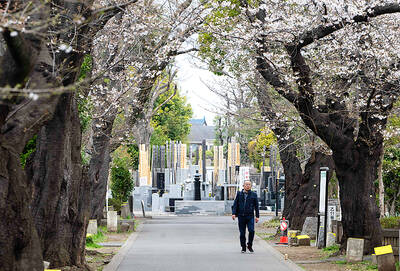
ROCKY RELATIONS: The figures on residents come as Chinese tourist numbers drop following Beijing’s warnings to avoid traveling to Japan The number of Chinese residents in Japan has continued to rise, even as ties between the two countries have become increasingly fractious, data released on Friday showed. As of the end of December last year, the number of Chinese residents had increased by 6.5 percent from the previous year to 930,428. Chinese people accounted for 22.6 percent of all foreign residents in Japan, making them by far the largest group, Japanese Ministry of Justice data showed. Beijing has criticized Tokyo in increasingly strident terms since Japanese Prime Minister Sanae Takaichi last year suggested that a military conflict around Taiwan could

Germany is considering Australia’s Ghost Bat robot fighter as it looks to select a combat drone to modernize its air force, German Minister of Defense Boris Pistorius said yesterday. Germany has said it wants to field hundreds of uncrewed fighter jets by 2029, and would make a decision soon as it considers a range of German, European and US projects developing so-called “collaborative combat aircraft.” Australia has said it will integrate the Ghost Bat, jointly developed by Boeing Australia and the Royal Australian Air Force, into its military after a successful weapons test last year. After inspecting the Ghost Bat in Queensland yesterday,
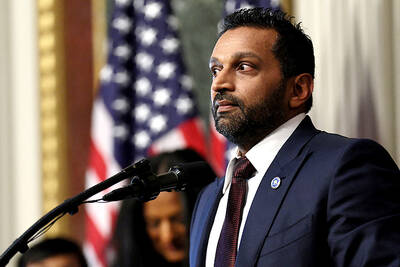
A pro-Iran hacking group claimed to breach FBI Director Kash Patel’s personal e-mail inbox and posted some of the contents online. The e-mails provided by the hacking group include travel details, correspondence with leasing agents in Washington and global entry, and loyalty account numbers. The e-mail address the hackers claim to have compromised has been previously tied to Patel’s personal details, and the leaked e-mails contain photos of Patel and others, in addition to correspondence with family members and colleagues. “The FBI is aware of malicious actors targeting Director Patel’s personal email information,” the agency said in a statement on
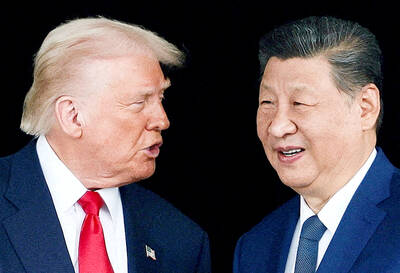
RIVALRY: ‘We know that these are merely symbolic investigations initiated by China, which is in fact the world’s most profligate disrupter of supply chains,’ a US official said China has started a pair of investigations into US trade practices, retaliating against similar probes by US President Donald Trump’s administration as the superpowers stake out positions before an expected presidential summit in May. The move, announced by the Chinese Ministry of Commerce on Friday, is a direct mirror of steps Trump took to revive his tariff agenda after the US Supreme Court last month struck down some of his duties. “China expresses its strong dissatisfaction and firm opposition to these actions,” a ministry spokesperson said in a statement, referring to the so-called Section 301 investigations initiated on March 11.


 RSS
RSS