


Twelve hotels, some with five stars, have been fined for failing to meet food safety standards, the Food and Drug Administration (FDA) said.
The FDA tested 116 food products at 58 hotels between April and July to confirm if their food services were in compliance with the Hazard Analysis and Critical Control Points (HACCP) and Good Hygiene Practices management systems.
The tests found that bean curd strips at the Palais de Chine Hotel in Taipei contained hydrogen peroxide, a bleaching agent and anti-bacterial compound, while noodles at Papago International Resort in Taitung contained benzoic acid, a food preservative, the FDA said.
The suppliers of the food items were each fined NT$30,000, the FDA added.
The agency said it found expired food at seven hotels, including the Ambassador Hotel Taipei, Regent Taipei and Grand Hotel Taipei, resulting in fines of between NT$60,000 and NT$300,000.
The other hotels were Taoyuan’s Monarch Skyline Hotel and South Garden Hotels and Resorts, the Ambassador Hotel Hsinchu, and Wen Wan Resort in Nantou County, it added.
The expired food items were mostly dried goods, which are easily overlooked as they have long expiry dates, FDA official Chou Pei-ju (周珮如) said.
Some foods were only a few days past their expiration dates, while others had expired six months earlier, Chou said, adding that among the items were noodles, dried seaweed, paprika, five-spice powder and frozen glutinous rice balls.
The Grand View Resort Beitou Hotel in Taipei was fined NT$240,000 for using baking soda that did not comply with FDA standards, while the Orient Resort Penbay in Pingtung County was fined NT$30,000 for lacking staff with any type of food certification, the FDA said.
The Monarch Plaza Hotel in Taoyuan and Wen Wan Resort in Nantou County were fined NT$60,000 and NT$120,000 respectively for HACCP contraventions, Chou said.
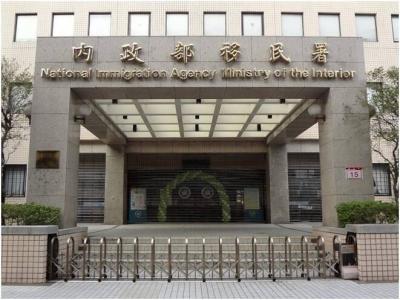
A small number of Taiwanese this year lost their citizenship rights after traveling in China and obtaining a one-time Chinese passport to cross the border into Russia, a source said today. The people signed up through Chinese travel agencies for tours of neighboring Russia with companies claiming they could obtain Russian visas and fast-track border clearance, the source said on condition of anonymity. The travelers were actually issued one-time-use Chinese passports, they said. Taiwanese are prohibited from holding a Chinese passport or household registration. If found to have a Chinese ID, they may lose their resident status under Article 9-1

Taiwanese were praised for their composure after a video filmed by Taiwanese tourists capturing the moment a magnitude 7.5 earthquake struck Japan’s Aomori Prefecture went viral on social media. The video shows a hotel room shaking violently amid Monday’s quake, with objects falling to the ground. Two Taiwanese began filming with their mobile phones, while two others held the sides of a TV to prevent it from falling. When the shaking stopped, the pair calmly took down the TV and laid it flat on a tatami mat, the video shows. The video also captured the group talking about the safety of their companions bathing

PROBLEMATIC APP: Citing more than 1,000 fraud cases, the government is taking the app down for a year, but opposition voices are calling it censorship Chinese Nationalist Party (KMT) Chairwoman Cheng Li-wun (鄭麗文) yesterday decried a government plan to suspend access to Chinese social media platform Xiaohongshu (小紅書) for one year as censorship, while the Presidential Office backed the plan. The Ministry of the Interior on Thursday cited security risks and accusations that the Instagram-like app, known as Rednote in English, had figured in more than 1,700 fraud cases since last year. The company, which has about 3 million users in Taiwan, has not yet responded to requests for comment. “Many people online are already asking ‘How to climb over the firewall to access Xiaohongshu,’” Cheng posted on

A classified Pentagon-produced, multiyear assessment — the Overmatch brief — highlighted unreported Chinese capabilities to destroy US military assets and identified US supply chain choke points, painting a disturbing picture of waning US military might, a New York Times editorial published on Monday said. US Secretary of Defense Pete Hegseth’s comments in November last year that “we lose every time” in Pentagon-conducted war games pitting the US against China further highlighted the uncertainty about the US’ capability to intervene in the event of a Chinese invasion of Taiwan. “It shows the Pentagon’s overreliance on expensive, vulnerable weapons as adversaries field cheap, technologically


 RSS
RSS