


A: Why are you revving the car this much when we’re at standstill?
B: Just keeping the engine warm.
A: But it’s 38 degrees outside. Are you sure it’s not got something to do with that attractive blonde over there?
B: No idea what you’re talking about.
A: 車子又沒在動,你幹嘛一直催油門?
B: 我只是想讓引擎保持溫暖。
A: 可是外面現在是三十八度耶。你是為了要引起旁邊那位金髮美女的注意吧?
B: 我不知道你在說什麼耶。
English 英文:
Chinese 中文:
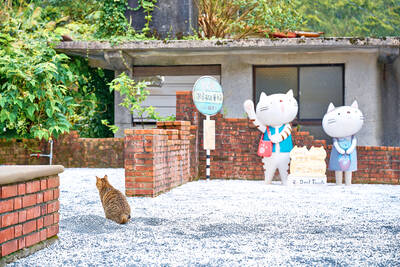
Nestled in the mountain region of northern Taiwan lies a small village that was once bustling due to a thriving coal industry, only to later gain fame for an entirely different reason — cats. This is Houtong Cat Village (猴硐貓村), located in Ruifang District, New Taipei City. Traditional Coal Mining and Village Transformation Houtong was originally known as “Monkey Cave” (houtong, 猴洞), a name derived from the wild monkeys that once inhabited caves in the surrounding hills. During the Japanese colonial period in the early 20th century, rich coal deposits were discovered and developed, rapidly turning Houtong into one of northern Taiwan’s

Beatboxing is the art of making drum sounds using nothing but your mouth, lips, tongue, and voice. This incredible skill turns your voice into a personal drum kit, allowing you to create beats and rhythms that sound just like those of real instruments. Born from hip-hop culture in the 1980s, beatboxing has evolved into a global form of musical expression found in various genres. What makes beatboxing so special? First, it requires no equipment at all. This accessibility allows you to develop your musical sense and rhythm skills wherever you are. Plus, beatboxing is a fantastic way to express

對話 Dialogue 清清:氣象預報說週末好像有寒流,天氣這麼冷,我只想宅在家裡。 Qīngqīng: Qìxiàng yùbào shuō zhōumò hǎoxiàng yǒu hánliú, tiānqì zhème lěng, wǒ zhǐ xiǎng zhái zài jiālǐ. 華華:說到這個,我週末想約剛認識的新朋友出去玩,但寒流來的話戶外活動可能不太合適,我還不知道要做什麼好。 Huáhua: Shuō dào zhège, wǒ zhōumò xiǎng yuē gāng rènshí de xīn péngyǒu chūqù wán, dàn hánliú lái de huà hùwài huódòng kěnéng bú tài héshì, wǒ hái bù zhīdào yào zuò shénme hǎo. 清清:要不要考慮去玩密室脫逃?我以前跟朋友去過,很好玩,而且不怕風吹雨淋。 Qīngqīng: Yào bú yào kǎolǜ qù wán mìshì tuōtáo? Wǒ yǐqián gēn péngyǒu qù guò, hěn hǎowán, érqiě bú pà fēng chuī yǔ lín. 華華:我覺得不錯,可是我們才剛認識,會不會太尷尬? Huáhua: Wǒ juéde búcuò, kěshì wǒmen cái gāng rènshí, huì bú huì tài gāngà? 清清:不會啦!玩密室脫逃需要大家一起合作,反而更容易變熟。 Qīngqīng: Bú huì la! Wán mìshì tuōtáo xūyào dàjiā yìqǐ hézuò, fǎn’ér gèng róngyì
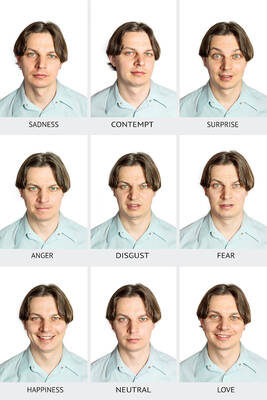
Continued from yesterday(延續自昨日) https://www.taipeitimes.com/News/lang Microexpressions appear quickly and can disappear in the blink of an eye. They typically last only a fraction of a second, yet they reveal a person’s true emotions. Here’s how to recognize the seven microexpressions. Happiness: The corners of the lips move upward and back, lifting the cheeks. Crow’s feet also form near the outside of the eyes. Sadness: The corners of the mouth turn downward, creating a frown. The eyebrows may also draw closer together. Disgust: The muscles around the nose and eyebrows tighten toward the bridge of the nose. The upper lip rises slightly to reveal the teeth. Surprise:


 RSS
RSS