


International volunteers from National Tsing Hua University (NTHU) are going to the east African nation of Kenya this year for the first time. They will provide services such as assisting with local community construction, information education and cultural exchanges. Knowing that NTHU students are willing to provide service in his home country, Father Mathews Odhiambo Owuor, who came from Kenya to preach in Taiwan, not only provided students with information, but also made this volunteer trip possible, hoping that it would change the future of the children in Kenya.
Father Owuor said the gap between the rich and poor in Kenya is wide; students do not have classrooms, water and electricity. Education is a luxury for them. He highly commended the NTHU students for spending thirty-five days of their summer vacation in Kenya, providing public services and doing volunteer work. He will accompany the volunteers to Kenya with the hope that a volunteer platform will be established to give Kenyan students a glimpse of hope.
It has been eight years since the NTHU set up international volunteer groups. Each summer a group of NTHU students would travel abroad, providing services and doing volunteer work. This year they travel to Tanzania, Malaysia, Belize and Kenya. Whether the Nepal group will go or not depends on the local conditions; if a red alert is issued, the trip will be canceled.
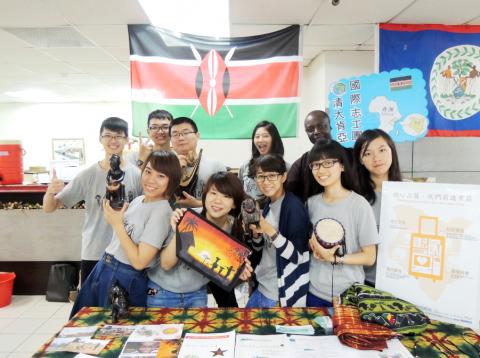
Photo: Hung Mei-hsiu, Liberty Times
照片:自由時報記者洪美秀
The Kenya group is the first group of NTHU students to go to Kenya and will conduct thirty-five days of volunteer work. The NTHU students will set up computer classrooms in Kenya’s schools and offer information education. The NTHU students have collected seventy used computers, relevant accessories and equipment and will set up computer classrooms in two junior high schools and elementary schools and train prospective teachers for the purpose of linking Kenya’s students with the world.
(Liberty Times, Translated by Ethan Zhan)
清大國際志工今年首度前往東非國家肯亞,提供當地社區營造、資訊教育和文化交流等服務。來台灣傳教的肯亞神父歐瑪竇看到清大學生願意到家鄉服務,不僅提供資訊,也促成此次國際志工服務之行,期許改變肯亞孩子的未來。
肯亞神父歐瑪竇說,肯亞貧富差距大,學生沒教室、沒水沒電,接受教育對孩子來說,是不可多得的。對清大學生要利用暑假三十五天前往肯亞服務及擔任志工,他給予大大的讚。他也會跟著回家鄉,期許建立志工模式,讓肯亞的學生也看到希望。
清華大學成立國際志工團隊八年,每年暑假都有一批清華學生到國外服務擔任志工。今年有坦尚尼亞、馬來西亞和貝里斯和肯亞。而尼泊爾團則會視當地狀況出團,若是紅色警戒燈號,才會取消出團。
首度出團的肯亞團,會進行三十五天的志工服務,清大學生會在當地學校建立電腦教室,並提供資訊教育服務;學生也募集七十台二手電腦與相關零件設備,會在服務的兩所國中和國小建立電腦教室並培訓種子教師,讓肯亞的學生與世界接軌。
(自由時報記者洪美秀)
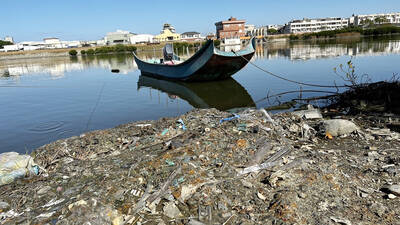
Many consumers are guilty of filling drawers or closets with old laptops, cellphones, fitness trackers and other electronic devices once they are no longer needed. It’s hard to know where to recycle such items, or it seems costly and inconvenient to do so. The world generates millions of tons of electronic waste — also called e-waste — each year. According to the UN’s most recent estimate, people worldwide produced 62 million metric tons of e-waste in 2022, and only about 22 percent of it was properly recycled. The US’ Environmental Protection Agency estimates that less than a quarter of e-waste is

You’re sitting in class when a classmate asks to borrow a pencil. It seems like a small favor, so you agree without hesitation. The following week, the same classmate asks to share your notes. Later, they request help with a group project. You agree each time — after all, you helped out the first time — but before you know it, it has become automatic. This scenario demonstrates the “foot-in-the-door technique,” a psychological concept that shows how agreeing to small, acceptable demands makes it easier to accept larger ones later on. The name for this strategy comes from door-to-door

A: The four-day Tomb Sweeping Day long weekend begins Friday and will run until Monday. Are you going to sweep your ancestors’ tombs? B: I did in advance last weekend, so I can go to Kaohsiung to see the musical “The Phantom of the Opera.” A: Wow, is “Phantom” touring Taiwan again? It debuted in 1986, so this year marks the 40th anniversary of the show. B: And it’s not just touring Kaohsiung starting March 31, but also Taipei starting April 21 and Taichung starting May 26. A: “Phantom” is one of the world’s Four Major Musicals. I’ve seen all of them, except “Les

對話 Dialogue 清清:這禮拜又有連假了,這次一共放四天。 Qīngqing: Zhè lǐbài yòu yǒu liánjià le, zhè cì yígòng fàng sì tiān. 華華:你是要過兒童節還是清明節? Huáhua: Nǐ shì yào guò Értóng jié háishì Qīngmíng jié? 清清:都要過啊!不管幾歲,都要有童心,才能永遠都年輕,知道嗎? Qīngqing: Dōu yào guò a! Bùguǎn jǐ suì, dōu yào yǒu tóngxīn, cái néng yǒngyuǎn dōu niánqīng, zhīdào ma? 華華:好啦!能當個長不大的孩子也好,就不會有那麼多煩惱了。 Huáhua: Hǎo la! Néng dāng ge zhǎngbúdà de háizi yě hǎo, jiù bú huì yǒu nàme duō fánnǎo le. 清清:還好春天有這兩個節假日,常常可以變成連假休息一下。 Qīngqing: Háihǎo chūntiān yǒu zhè liǎng ge jiéjiàrì, chángcháng kěyǐ biànchéng liánjià xiūxi yíxià. 華華:對啊!上禮拜我已經先跟家人去掃墓了,就怕清明節當天人太多。 Huáhua: Duì a! Shàng lǐbài wǒ yǐjīng xiān gēn jiārén qù sǎomù le, jiù pà Qīngmíng jié dāngtiān rén tài duō. 清清:親人雖然過世了,但有清明節掃墓的習俗,讓我們在不同的世界還是能「聚」一下、說說話,真的很有意義。 Qīngqing: Qīnrén suīrán guòshì le, dàn yǒu Qīngmíng jié


 RSS
RSS