


It is the generation that can understand exactly how you are feeling through a few simple emoticons.
But now researchers claim that children are so engrossed in their phones, they are unable to accurately read how people are feeling in real life.
This is the result of less face-to-face time interaction, according to the study, which found young kids are glued to electronic devices for nearly five hours each day.
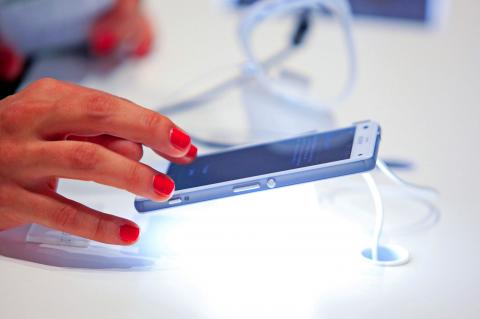
Photo: Bloomberg
照片:彭博社
The finding was made after testing the ability of 11 to 12-year-olds to recognize the emotions of people pictured in photos.
“Many people are looking at the benefits of digital media in education, and not many are looking at the costs,” said study author Patricia Greenfield, professor of psychology at the Children’s Digital Media Center, part of the University of California, Los Angeles.
“Decreased sensitivity to emotional cues — losing the ability to understand the emotions of other people — is one of the costs.”
Lead author Yalda Uhls said that emoticons are a poor substitute for face-to-face communication: “We are social creatures. We need device-free time.”
(Courtesy of Liberty Times)
這是個只要透過幾個簡單的表情符號就能了解你感受如何的世代。
但是現在研究人員宣稱,現在孩子花太多時間在他們的手機上,以至於無法精準解讀真實世界中人們的感受。
根據這份研究,這是較少面對面互動的結果。這項研究發現孩童每天有將近五小時的時間3C設備不離手。
這項發現是經測試十一到十二歲者辨識照片中人們情緒的能力所得出。
「許多人看的是數位媒體在教育中的好處,審視必須為此付出何種代價的人不多,」研究報告作者洛杉磯加州大學兒童數位媒體中心心理學教授派翠希亞.葛林菲爾說。
「對情緒訊號的敏感度降低,即失去理解他人情緒的能力,就是其中的代價之一。」
報告第一作者亞爾達.烏爾斯說,表情符號不能取代面對面的溝通,「我們是社交動物。我們需要有拋開電子器材的時間。」
(自由時報提供/翻譯:管淑平)

Every few years, the World Baseball Classic (WBC) offers sports fans a real World Series. At its finest, as in the shocking upset on Tuesday last week of the US team by Italy, the games generate the kind of electricity fans feel at the FIFA World Cup. That’s exactly how Major League Baseball (MLB), which owns the WBC, wants it. The tournament, first played in 2006, was designed to boost the league’s profile beyond North America and help it become a global game. In most respects, it’s done better than expected. Yet as the WBC grows, the structure, timing and staging of
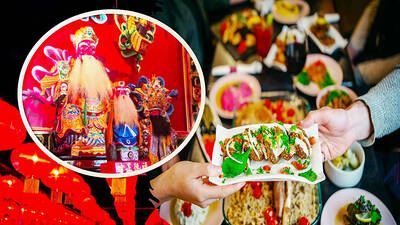
對話 Dialogue 清清:華華,別忘了這禮拜五晚上,老闆請喝春酒喔! Qīngqing: Huáhua, bié wàngle zhè lǐbàiwǔ wǎnshàng, lǎobǎn qǐng hē chūnjiǔ o! 華華:啊!我差點忘了,謝謝提醒。 Huáhua: À! Wǒ chàdiǎn wàngle, xièxie tíxǐng. 清清:老闆人真好,過年前請我們吃尾牙,過完年又請吃春酒。 Qīngqing: Lǎobǎn rén zhēn hǎo, guònián qián qǐng wǒmen chī Wěiyá, guòwán nián yòu qǐng chī chūnjiǔ. 華華:尾牙是感謝我們過去一年的辛勞,春酒是希望我們今年繼續努力啊! Huáhua: Wěiyá shì gǎnxiè wǒmen guòqù yì nián de xīnláo, chūnjiǔ shì xīwàng wǒmen jīnnián jìxù nǔlì a! 清清:給我加薪,我就努力。 Qīngqing: Gěi wǒ jiāxīn, wǒ jiù nǔlì. 華華:還真是「有錢能使鬼推磨」。 Huáhua: Hái zhēn shì “Yǒu qián néng shǐ guǐ tuī mò.” 清清:那還用說。對了!別只顧著吃,頭牙快到了,農曆二月二是土地公生日,記得跟我去拜拜。 Qīngqing: Nà hái yòng shuō. Duìle! Bié zhǐ gùzhe chī, Tóuyá kuài dàole, nónglì èr yuè èr shì Tǔdìgōng shēngrì, jìdé gēn wǒ qù bàibai. 華華:沒問題,東西我來準備,放心吧!一起發大財! Huáhua: Méi wèntí, dōngxi wǒ lái zhǔnbèi, fàngxīn ba!
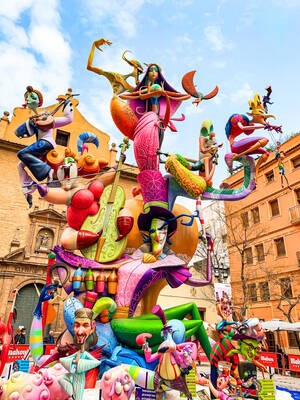
When people think of Spain, they often picture bullfights and flamenco—but there’s another celebration you shouldn’t miss. Every March, Valencia comes alive with “Las Fallas.” Its origins go back centuries to when carpenters burned wooden scraps they no longer needed to welcome spring as winter ended. Over time, the custom evolved from bonfires to giant street sculptures called fallas. This tradition has since developed into a UNESCO-recognized event that attracts millions of visitors. This festival centers on the ritual burning of falla monuments. Each monument is made up of several ninots: giant puppets that are crafted all year by local artists.
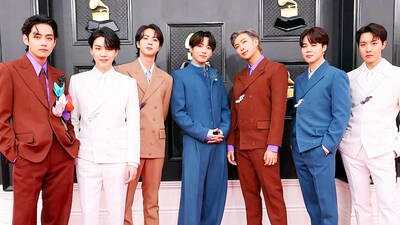
A: South Korean supergroup BTS is finally staging a comeback tomorrow, releasing their new album in nearly four years: “Arirang.” B: And to promote their new album, BTS will hold a comeback concert at the Gwanghwamun Plaza in downtown Seoul this weekend. According to police estimates, the show could attract a crowd of at least 260,000 fans. A: What about their new world tour? When will it start? B: The upcoming world tour will kick off from Gaoyang on April 9, and Kaohsiung will be included this time. A: Really? Hurry up and tell me the dates of the Kaohsiung shows. Maybe we


 RSS
RSS