


Is it reasonable for an all-you-can-eat restaurant to fine customers for not finishing their food? One consumer surnamed Lin in New Taipei City was recently asked by an all-you-can-eat barbecue restaurant that he was eating at to pay an extra fee for unfinished food, which could have been taken home, according to the restaurant. The customer, however, felt that so much food was leftover because the restaurant was too slow in bringing out the food and had restrictions on dining time. Lin filed a complaint with the local consumer ombudsman officer in New Taipei City. The restaurant decided to settle things amicably and agreed to refund the customer’s money after the two parties had reached a settlement.
Lin filed his complaint with local consumer ombudsman officer Chen Shih-chin, saying that at the end of last year he and four friends went to a Japanese-style barbecue restaurant in Banciao District, ordering all-you-can-eat meals that cost NT$799 per person. A lot of food was left on the table after they had finished eating. The eatery said that it clearly indicates not to waste food and that there is an extra fee for leftover food. The restaurant initially said the extra fee for Lin’s party was more than NT$1,700. After some bargaining, however, the fee was lowered to NT$1,278. The more Lin thought about it after he got home, the more dissatisfied he became, and eventually he filed a complaint with the local consumer ombudsman.
Chen invited both parties to have a discussion. The restaurant said that Lin and his friends’ dining time at the restaurant exceeded by 20 minutes the stipulated time limit of two hours. When Lin went to pay the bill at closing time, the table was covered with leftover food, which was why the restaurant charged him in accordance with the rules for leftover food. The eatery also told him that he could take the food home, further emphasizing that they were never out to get consumers.
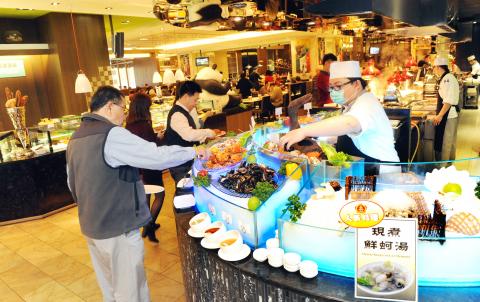
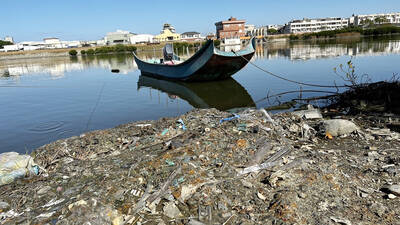
Photo: Chang Chung-yi, Liberty Times
照片:自由時報記者張忠義
Lin complained about the restaurant’s limits on eating time, food being served too slowly and only one tiny grill being provided for everyone, which was not big enough for five people cooking food at the same time, he says. This is why so much food was left on the table at closing time, Lin says. The restaurant, however, says that a lot of food was left on the table despite being cooked already, which the restaurant could not bear to see, and therefore decided to fine the customer according to its rules.
Chen looked at the pictures and explanations provided by the restaurant, and although he agreed that it was reasonable to charge an extra fee, he did not think that the punitive pricing was proportional to reality. The company eventually admitted defeat and decided to refund the customer the entire amount of the extra charges.
(Liberty Times, Translated by Kyle Jeffcoat)
吃到飽的自助餐,沒吃完要罰錢合不合理?新北市林姓消費者被燒肉餐廳業者要求沒吃完的部分加收費用,但可帶走;消費者認為業者上菜慢又限時間,才會留下一堆食物,向新北市消保官申訴後,業者決定以和為貴、同意退錢,雙方達成和解。
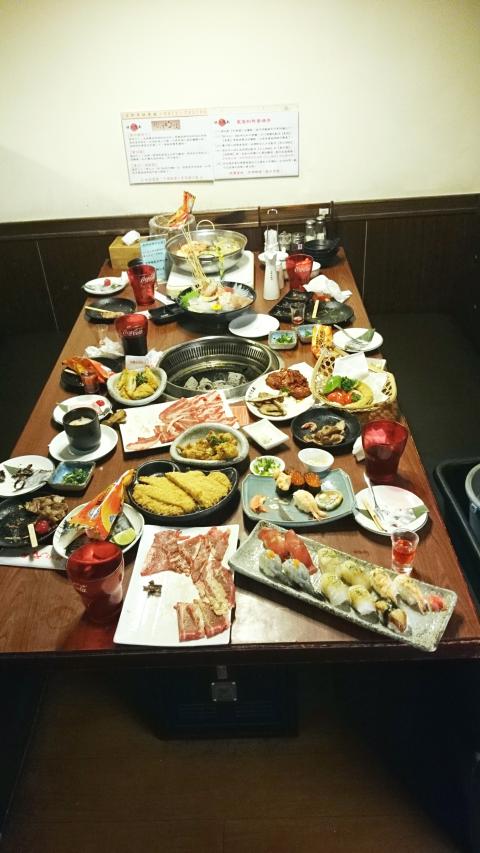
Photo courtesy of Consumer Ombudsman Officer
照片由消保官辦公室提供
林姓消費者向消保官陳世欽投訴,他與四名友人於去年底赴板橋區某日式燒肉店點選吃到飽方案,每人七百九十九元,但至用餐時間結束,桌上仍剩餘許多食物,業者表示餐廳有標明避免浪費食材,未吃完的食物必須加收費用,業者原本計算需加價一千七百多元,經討價還價後改為一千兩百七十八元,消費者回家愈想愈不甘心,遂向消保官投訴。
陳世欽邀請雙方協商,業者指出,林姓消費者偕同友人到店裡用餐,超過限定的兩小時用餐時間還多廿分鐘,到打烊結帳時剩下滿桌食物,業者才依規定加收食材費用,並告知消費者可將食材打包回家,並無吃定消費者情事。
林姓消費者則抱怨,該餐廳規定用餐時間,上菜慢吞吞,又只提供一個小烤爐,根本不夠五個人同時烤肉,所以到休息時間,才會剩下一大堆菜;業者反駁,剩下的菜很多是不用煮燙烤的熟食,卻全被擱置桌上,業者看不下去才依規處置。
陳世欽查看業者提供的照片及說明,認為業者加收費用不無理由,但「處罰」價金不符比例原則,業者最後自認倒楣,決定將加收款全數退給消費者。
(自由時報記者翁聿煌)
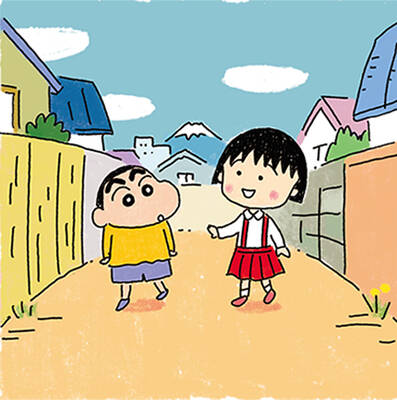
A: Popular humorous Japanese manga series “Chibi Maruko-chan” and “Crayon Shin-chan” will collaborate for their respective 40th and 35th anniversaries, publishing three crossover stories in April. B: Both were made into TV animation series, becoming huge hits in Asia. What are the crossover stories about? A: The first story features Shin-chan and his family visiting Maruko-chan’s hometown, Shizuoka City, where they run into each other. B: Wow, that sounds interesting. And then? A: The follow-ups feature Maruko-chan and her family visiting Shin-chan’s hometown, Kasukabe City. I bet the interactions between the two families will be funny. A: 熱門日本漫畫《櫻桃小丸子》、《蠟筆小新》4月將合作,為紀念小丸子40週年與小新35週年,推出三篇跨界聯動漫畫! B:
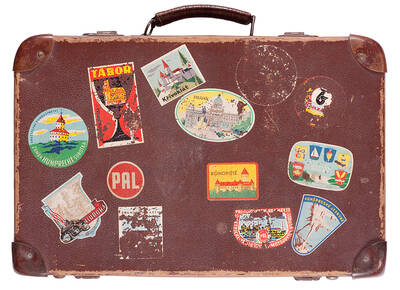
Travel fever is back, and it’s contagious. After years of being kept home during the COVID-19 pandemic, people are once again eager to explore the world. Rather than just book any trip, travelers are getting smarter about how they scratch that travel itch. Microcation Defined as four days or fewer and over 160km away from home, the microcation perfectly matches the post-pandemic mindset. After long periods of remaining indoors, people are making up for lost time by taking short, frequent getaways throughout the year. These brief trips avoid the work-life imbalance that comes with long absences. With only a few days away, one’s
Many consumers are guilty of filling drawers or closets with old laptops, cellphones, fitness trackers and other electronic devices once they are no longer needed. It’s hard to know where to recycle such items, or it seems costly and inconvenient to do so. The world generates millions of tons of electronic waste — also called e-waste — each year. According to the UN’s most recent estimate, people worldwide produced 62 million metric tons of e-waste in 2022, and only about 22 percent of it was properly recycled. The US’ Environmental Protection Agency estimates that less than a quarter of e-waste is
Dos & Don’ts — 想想看,這句話英語該怎麼說? 1. 我們很早到達電影院。 ˇ We arrived at the theater very early. χ We arrived the theater very early. 註︰arrive 為不及物動詞,後面如果有受詞要用 at 或 in。例如:They arrived in Taipei yesterday.。一般大地方,如國家、省、大城市等前面用 in,凡小地方城鎮、學校等則用 at。 2. 開車半小時以後,我們到達了海灘。 ˇ After half an hour’s drive, we got to the beach. χ After half an hour’s drive, we got the beach. 註︰come, go, get(來、去、到達)某地時,在表示地點的名詞前面應該用 to,如 go to school, go to Taipei, come to Shanghai 等。如果這些動詞後面所跟的是 here, there, home 等副詞,則不用 to。 3. 明天我會回辦公室。 ˇ I will be back in the office tomorrow. χ I will be back to office tomorrow. 註︰to be back 一語裡的 back 是副詞,不是介詞,所以後面要用 at (the market) 或 in (the office)。 假如假期結束,要回學校上課了則可說: ? Kids will be back


 RSS
RSS