


In 1944 two generals go head to head in an epic battle. The fate of the Second World War hangs in the balance. US General Omar Bradley and German Field Marshal Walther Model may be far apart on the battlefield, but in their minds they’re standing over the same table. After the D-Day landings in Normandy, Allied invasion forces are on a roll. They sweep towards Germany with lightning speed. Adolf Hitler hatches a desperate plan to turn the tide of the war at the eleventh hour. He mobilises Germany’s very last reserves of men and machines for one last giant offensive. The man Hitler picks to run this mission is one of his most successful and loyal generals — Field Marshal Walther Model. Model was an immensely able staff officer and switching things fast was one of his hallmarks. Ruthless in command and particularly ruthless about the enemy and his own subordinate commanders and staff officers — if they weren’t cutting the mustard he sacked them, without question.
一九四四年兩位將軍在史詩戰役中對決,二次世界大戰的命運岌岌可危,美國將軍奧馬•布萊德雷和德國陸軍元帥華爾特•莫德爾,在戰場上或許分隔j兩地,但心裡卻下著同一盤棋。諾曼第登陸之後,盟軍的入侵之勢銳不可當,以雷霆萬鈞的速度橫掃德國。阿道夫•希特勒暗藏孤注一擲的計畫,要在最後關頭逆轉戰況,他動員德國最後的一兵一卒,進行終極大進攻。希特勒欽點執行此任務的人,是麾下戰功最彪炳的的忠心將領莫德爾。莫德爾是能力卓越的參謀,調兵遣將之快是他的招牌,領導統馭毫不留情,對敵人尤其如此,包括其下屬指揮官與參謀,若是不夠格,二話不說就解職。
Hitler wants to drive a series of armoured spearheads through the thinly held American lines in the Ardennes forest in Belgium. The fast-moving tanks would then dash ahead and capture the crossings over the river Meuse. From the rear a wave of support troops would sweep up resistance and strengthen the attack. But Model thinks Hitler’s plan is far too ambitious. The German generals concerned — Model and his subordinates and superiors — all recognised that they simply didn’t have the military strength to do this and to Hitler’s fury, they disagreed.
希特勒要讓裝甲先鋒部隊,穿越美軍鎮守薄弱的比利時阿登森林,接著由快速坦克往前衝刺,拿下繆斯河的要道,一波支援部隊將從後翼掃除反抗兵力,增強攻擊。但莫德爾認為希特勒的計畫野心太大,德軍相關將領如莫德爾及其上司與下屬,咸認他們的兵力力有未逮而反對這項任務,令希特勒大為震怒。
But Hitler was insistent, and ordered them to Antwerp. Grudgingly, Model prepares to do his Fuhrer’s bidding. He knows that this is going to be the toughest job he’s ever done. His enemy has superior air power, so Model needs a long stretch of bad weather to keep the Allied bombers on the ground. And his own troops must move extremely fast. To have any hope of success they need to reach the River Meuse in only four days. But Model also knows that the choice of battleground will give him his biggest trump card: the element of surprise. The Ardennes is the last place the enemy expect him to attack. The steep and densely wooded terrain forces his tanks to stick to the narrow tracks.
但是希特勒堅持要挺進安特衛普,百般不願的莫德爾也只好準備執行元首的命令。他知道這將是最困難的任務,敵人具有空武優勢,所以莫德爾需要長時間的壞天氣,好讓盟軍的轟炸機無法升空,而他自己的部隊得要飛快移動,他們必須在四天內到達繆斯河才有成功的希望。但他也知道這戰場將是他最大的王牌:奇襲。敵軍萬萬沒料到他會攻擊阿登,其險峻又樹林茂密的地形,逼得坦克只能沿狹道前進。
By Dec. 15, 1944, Model’s assault force is in place, undetected. 250,000 men, supported by artillery and tanks, lie in wait, right in front of the enemy lines. They will attack at dawn. Across the front line from Model — and completely oblivious to the threat — is American General Omar Bradley. His direct experience of fighting was pretty limited — he never saw a battle as a commander until Sicily in 1943.
一九四四年十二月十五日,莫德爾的攻擊部隊就定位且未被發現,二十五萬官兵在彈藥與坦克的支援下,在敵軍前線等待著,他們將發動拂曉攻擊。與莫德爾對峙的陣營對此威脅渾然不覺,負責領軍的美國將軍奧馬•布萊德雷,其實戰經驗非常有限,他擔任指揮官的第一仗是一九四三年在西西里。
Tune in tonight at 11:00pm to find out how events unfolded in this crucial conflict.
今晚十一點敬請收看本節目,一同了解這場關鍵衝突的種種內幕。
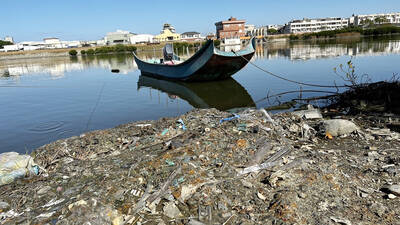
Many consumers are guilty of filling drawers or closets with old laptops, cellphones, fitness trackers and other electronic devices once they are no longer needed. It’s hard to know where to recycle such items, or it seems costly and inconvenient to do so. The world generates millions of tons of electronic waste — also called e-waste — each year. According to the UN’s most recent estimate, people worldwide produced 62 million metric tons of e-waste in 2022, and only about 22 percent of it was properly recycled. The US’ Environmental Protection Agency estimates that less than a quarter of e-waste is
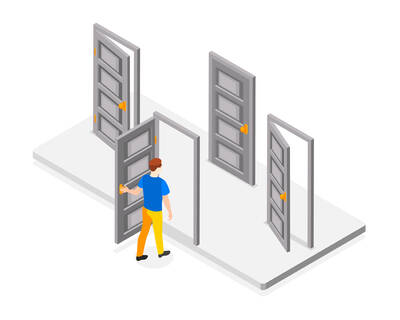
You’re sitting in class when a classmate asks to borrow a pencil. It seems like a small favor, so you agree without hesitation. The following week, the same classmate asks to share your notes. Later, they request help with a group project. You agree each time — after all, you helped out the first time — but before you know it, it has become automatic. This scenario demonstrates the “foot-in-the-door technique,” a psychological concept that shows how agreeing to small, acceptable demands makes it easier to accept larger ones later on. The name for this strategy comes from door-to-door

A: The four-day Tomb Sweeping Day long weekend begins Friday and will run until Monday. Are you going to sweep your ancestors’ tombs? B: I did in advance last weekend, so I can go to Kaohsiung to see the musical “The Phantom of the Opera.” A: Wow, is “Phantom” touring Taiwan again? It debuted in 1986, so this year marks the 40th anniversary of the show. B: And it’s not just touring Kaohsiung starting March 31, but also Taipei starting April 21 and Taichung starting May 26. A: “Phantom” is one of the world’s Four Major Musicals. I’ve seen all of them, except “Les

Dos & Don’ts — 想想看,這句話英語該怎麼說? 1. 我們很早到達電影院。 ˇ We arrived at the theater very early. χ We arrived the theater very early. 註︰arrive 為不及物動詞,後面如果有受詞要用 at 或 in。例如:They arrived in Taipei yesterday.。一般大地方,如國家、省、大城市等前面用 in,凡小地方城鎮、學校等則用 at。 2. 開車半小時以後,我們到達了海灘。 ˇ After half an hour’s drive, we got to the beach. χ After half an hour’s drive, we got the beach. 註︰come, go, get(來、去、到達)某地時,在表示地點的名詞前面應該用 to,如 go to school, go to Taipei, come to Shanghai 等。如果這些動詞後面所跟的是 here, there, home 等副詞,則不用 to。 3. 明天我會回辦公室。 ˇ I will be back in the office tomorrow. χ I will be back to office tomorrow. 註︰to be back 一語裡的 back 是副詞,不是介詞,所以後面要用 at (the market) 或 in (the office)。 假如假期結束,要回學校上課了則可說: ? Kids will be back


 RSS
RSS