

歡迎閱讀《週末科學版》!我們每週六都要為你介紹可以在家中進行的有趣科學實驗。你可以在《科學日誌》中記錄自己做了哪些活動,這樣就可以將所學的記錄下來,比較這些結果,也許還可以利用它們來設計新的實驗!先看一下《科學日誌》的點子再開始吧。展開實驗之前,記得要獲得大人許可喔!


Neuroscientists and psychologists agree that the brain is divided into two hemispheres — left and right. Generally speaking, the left side of the brain handles logical tasks such as math and reasoning. The right side is more
concerned with creative tasks such as music and images.
In most people one side of the brain is dominant. It’s thought that people who are extremely creative are unlikely to excel at logical thinking. Meanwhile, left brain thinkers might excel at math but fail miserably at music.
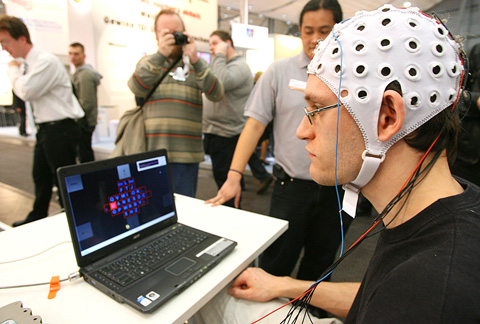
PHOTO: AFP
In today’s experiment you will do some simple tests on your friends to find out which side of their brain is dominant.
What you will need: a ball, a pen, paper, scissors, a coin and a tube.
(JOHN PHILLIPS, STAFF WRITER)
神經科學家和心理學家都認同大腦分成兩個半球──左半球和右半球。一般而言,左腦掌管邏輯工作,例如數學和推理;右腦則負責創意性任務,例如音樂和影像等。
大部分的人都會有一個半腦比較發達。所以創意十足的人通常邏輯思考比較差;左腦發達的人可能數學很強,但音樂感卻很差。
今天的實驗中,你要對朋友做一些簡單的測試,看看他們是哪個半腦比較發達。
實驗所需:一顆球、一枝筆、紙、剪刀、一枚硬幣和一根管子。
(翻譯:袁星塵)
METHODOLOGY
We need to test which side is dominant for your subjects’ hands, feet, eyes and ears. To achieve our aims, we will test each body part individually. Make sure you record your results in a chart.
Hands: Put your pen and paper on the table and ask your friends to write their name. Then offer your hand for them to shake. Record which hand they use.
Feet: Put your ball on the floor in front of the subjects and ask them to kick it. Then put a coin on the floor and ask them to stand on it. Record which foot they use.
Eyes: Hand your subjects the tube and ask them to look through it. Which eye do they use?
Ears: Tell your friends you’re going to whisper a secret to them. Notice which ear they lean with.
方法
我們要測試實驗對象的手、腳、眼睛和耳朵分別受到哪半腦掌管。為了找出答案,我們要分別針對各個的部位進行測驗。務必把實驗結果記錄在表格中。
手:把你的紙筆放在桌上,請你的朋友寫下自己的名字。然後伸手跟他們握手。記下他們用的是哪隻手。
腳:把球放在實驗對象面前的地板上,請他們踢球。然後放一枚硬幣在地板上,請他們踩在硬幣上。記下他們用的是哪一隻腳。
眼睛:拿一根管子給你的實驗對象,請他們透過管子看東西。他們用哪隻眼睛看?
耳朵:告訴你的朋友你要跟他�她說一個秘密,注意他們把哪隻耳朵湊過來。
EXTENSION
Record the results in a graph and calculate the percentage of people who share the same traits. From your knowledge of your friends, do they fit the profile of left and right brain thinkers outlined in the introduction?
實驗延伸
將實驗結果製成圖表,然後算出特徵相同者的比例。依照你對你朋友的了解,你覺得他們符合引言所介紹的左、右半腦發達者的特徵嗎?


★ Bilingual Story is a fictionalized account. 雙語故事部分內容純屬虛構。 Lucas was already on the ground before he fully understood what was happening. “Hurry! Kneel down!” someone shouted. The asphalt was warm against his knees. Around him, dozens of people lay flat in the narrow street outside Jenn Lann Temple in Dajia. Some pressed their hands together in prayer. Others closed their eyes. Lucas had only come to look at the temple. An hour earlier he had stepped into the noisy courtyard out of curiosity. Inside the main hall, people held incense sticks, bowed three times,
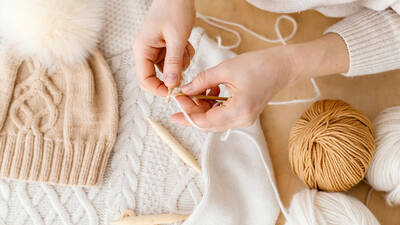
You might think knitting is only for grandmas, but surprisingly, many young people are embracing so-called “grandma hobbies.” On social media platforms, activities such as home cooking, embroidery and gardening are becoming popular among teenagers and young adults who are drawn to their relaxing and creative nature. “Grandma hobbies” typically refer to activities that are slow-paced, handmade and nostalgic. Common examples include knitting scarves, baking cookies, sewing clothes and growing plants. These hobbies were once part of everyday life for many women in previous generations, but today they provide an escape from the fast-paced digital world. The appeal

A: Isn’t the 2026 Coachella Valley Music and Arts Festival — a massive music event held every April — about to open in California? B: Yeah the festival is set to take place over two weekends, from April 10 to 12 and 17 to 19, US time. A: I heard this year’s main stage headliners include Sabrina Carpenter, Justin Bieber, Karol G and EDM DJ Anyma. B: The K-pop army is also making an appearance, with legendary group BigBang, SHINee member Taemin and girl group Katseye debuting for the first time. A: Isn’t Coachella also live-streamed on its YouTube

Visitors walking down the streets of London and other major English cities might notice a curious sight. Many of the old __1__ have some of their windows boarded up. What’s even stranger is that there doesn’t appear to be any consistent pattern as to which windows get covered. This architectural __2__ dates back over 300 years during a time when “coin clipping” was a common crime in England. Back then, silver coins had simple designs with __3__, unmarked edges. Without any pattern extending to the coins’ rims, it was difficult to tell if the edges had been __4__. This


 RSS
RSS