


At the Zero Star Hotel in Switzerland, you can spend the night in a nuclear bunker and it won’t cost a bomb.
The sun has set on the eastern Swiss village of 4,000 souls and hardly a person is to be seen on its narrow streets.
However, there is a small buzz by the community’s bomb shelter — the new Zero Star Hotel conceived by artist brothers Frank and Patrik Riklin is having a test night before launching operations full time.
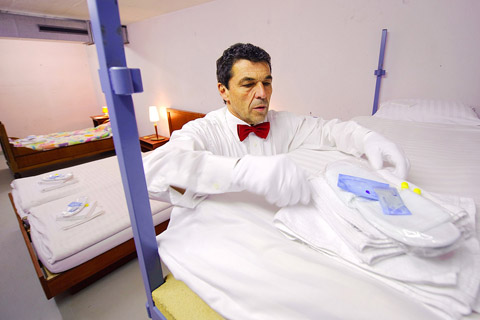
PHOTO: AFP
For 10 to 30 Swiss francs (NT$275 – NT$825) budget travelers can rent dormitory style rooms in the bunker that offer basic comforts.
“There is a choice between four types of beds: single, bunk, double beds and rustic, wooden country beds,” said Patrik.
Each Swiss community has a nuclear bomb shelter for its residents, built during the days of the Cold War.
With the threat of nuclear confrontation gone with the collapse of communism, the bunkers are viewed by most Swiss towns as nothing more than a deep hole in the municipal budget.
“The town asked us to convert the bunker and we decided to launch the zero star concept,” said Frank.
The only condition the town placed on the twin brothers was that they make it available within 24 hours in case of an emergency.
“We want to be the opposite of the palaces in Dubai,” said Patrik.
Interest and demand are strong they say, pointing to 50,000 clicks to their Web site over the past month.
(AFP)
在瑞士這家由原子彈防空洞改建而成的「零星級旅館」中,你可以經濟實惠的價格住上一晚。
這天傍晚,這個有四千居民的瑞士東部村落,狹窄的街道上人煙稀少。
然而,社區防空洞讓這個地方稍稍活絡了起來──由藝術家兄弟檔法蘭克和派屈克•瑞科林籌劃的新「零星級旅館」,現正舉辦正式營運前的試住活動。
旅客支付十到三十元瑞士法郎(新台幣兩百七十五元到八百二十五元)的租金,就可入住這個地下碉堡的團體寢室,裡面提供基本舒適的設備。
派屈克說:「我們提供四種不同的床型:單人床、上下舖床、雙人床和鄉村風木板床。」
瑞士各區在冷戰時期都建造了原子彈防空洞供當地居民躲避。
隨著共產主義瓦解、原子彈攻擊的威脅解除,瑞士多數市鎮將這些地下碉堡視為消耗地方自治預算的無底洞。
法蘭克說:「該市請我們改建這個地下碉堡,於是我們決定提出這個零星級旅館的概念。」
該市對這對雙胞胎兄弟提出的唯一條件,就是必須二十四小時開放地下碉堡,以防緊急事故發生。
派屈克說:「我們希望將它打造成與杜拜豪華飯店相反的旅館。」
他們表示,從過去一個月他們網站的點閱率高達五萬人次看來,大家對這個概念的興趣和需求都相當濃厚。
(法新社�翻譯:袁星塵)
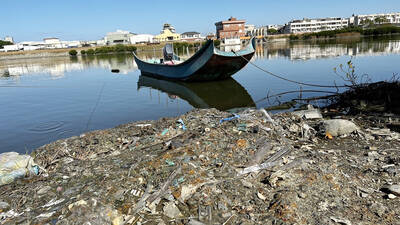
Many consumers are guilty of filling drawers or closets with old laptops, cellphones, fitness trackers and other electronic devices once they are no longer needed. It’s hard to know where to recycle such items, or it seems costly and inconvenient to do so. The world generates millions of tons of electronic waste — also called e-waste — each year. According to the UN’s most recent estimate, people worldwide produced 62 million metric tons of e-waste in 2022, and only about 22 percent of it was properly recycled. The US’ Environmental Protection Agency estimates that less than a quarter of e-waste is
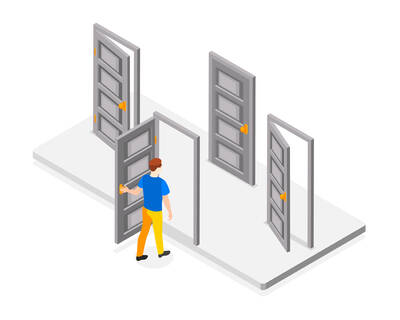
You’re sitting in class when a classmate asks to borrow a pencil. It seems like a small favor, so you agree without hesitation. The following week, the same classmate asks to share your notes. Later, they request help with a group project. You agree each time — after all, you helped out the first time — but before you know it, it has become automatic. This scenario demonstrates the “foot-in-the-door technique,” a psychological concept that shows how agreeing to small, acceptable demands makes it easier to accept larger ones later on. The name for this strategy comes from door-to-door

A: The four-day Tomb Sweeping Day long weekend begins Friday and will run until Monday. Are you going to sweep your ancestors’ tombs? B: I did in advance last weekend, so I can go to Kaohsiung to see the musical “The Phantom of the Opera.” A: Wow, is “Phantom” touring Taiwan again? It debuted in 1986, so this year marks the 40th anniversary of the show. B: And it’s not just touring Kaohsiung starting March 31, but also Taipei starting April 21 and Taichung starting May 26. A: “Phantom” is one of the world’s Four Major Musicals. I’ve seen all of them, except “Les

Continued from yesterday(延續自昨日) https://www.taipeitimes.com/News/lang Gig Tripping “Gig tripping” combines concerts with travel. People fly to see their favorite artists perform — usually abroad—and spend a few days sightseeing before or after the show. While die-hard fans have done this since the 1960s, the post-pandemic travel boom changed the game. Even people who aren’t superfans are now booking international concert trips because they want to make the most of travel opportunities. This trend exploded in the US, as the math makes sense. Domestic concert tickets are so costly that flying abroad for the show plus tourism expenses often matches or even beats the price


 RSS
RSS