


The potato is at the root of a war of words over where it originated.
Experts agree that the potato comes from South America. But Peru and Chile, longtime rivals, are each laying claim to it.
At stake is the glory of being the home of the “patata.” The hearty vegetable is being celebrated this year in the UN Year of the Potato.

PHOTO: EPA
Peruvian officials claim that potatoes were first cultivated near Lake Titicaca in southern Peru around 7,000 years ago.
But Chilean Agriculture Minister Marigen Horn-khol said the popular food first sprouted on Chile’s southern Chiloe Island.
Peru’s response was predictably starchy.
Many newspapers accused Chile of wanting to “steal the Peruvian potato.” The newspapers noted other food claims that have divided the neighbors. Those arguments included which country first came up with a grape-based alcohol called Pisco.
And as the row sizzles on between Peru and Chile, a third chef could muscle into the kitchen.
Bolivia says it has found traces of a spud that predates those of its neighbors.
(STAFF WRITER, WITH AFP)
馬鈴薯的發源地引起各方口水戰。
專家們都認定馬鈴薯起源於南美洲。但向來相互競爭的秘魯和智利兩國都堅稱,自己才是馬鈴薯的原產國。
讓兩國互拼輸贏的是「馬鈴薯(patata是西班牙文的馬鈴薯)原產國」的美名;聯合國將今年訂定為國際馬鈴薯年。
秘魯官方聲稱,馬鈴薯最早栽種在秘魯南部的的的喀喀湖附近,距今已約有七千年的歷史。
然而,智利農業部部長馬力岡.洪克荷表示,這種價格低廉的糧食作物最初是在智利南方的奇洛島生根發芽。
不出所料地,秘魯嚴厲的反擊。
許多報導都指責智利想要「偷走秘魯的馬鈴薯」。報導中提到,這兩國早就為了爭奪其他食糧的原產國地位而勢不兩立,葡萄釀造的酒精飲料「Pisco」便是其一。
正當秘魯和智利兩國吵得不可開交之際,又蹦出第三個也想插一腳的國家。
玻利維亞表示,他們已經發現比這兩個鄰國年代更久遠的馬鈴薯遺跡。(法新社�翻譯:袁星塵)
Many consumers are guilty of filling drawers or closets with old laptops, cellphones, fitness trackers and other electronic devices once they are no longer needed. It’s hard to know where to recycle such items, or it seems costly and inconvenient to do so. The world generates millions of tons of electronic waste — also called e-waste — each year. According to the UN’s most recent estimate, people worldwide produced 62 million metric tons of e-waste in 2022, and only about 22 percent of it was properly recycled. The US’ Environmental Protection Agency estimates that less than a quarter of e-waste is
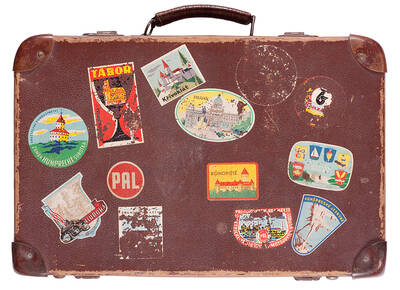
Travel fever is back, and it’s contagious. After years of being kept home during the COVID-19 pandemic, people are once again eager to explore the world. Rather than just book any trip, travelers are getting smarter about how they scratch that travel itch. Microcation Defined as four days or fewer and over 160km away from home, the microcation perfectly matches the post-pandemic mindset. After long periods of remaining indoors, people are making up for lost time by taking short, frequent getaways throughout the year. These brief trips avoid the work-life imbalance that comes with long absences. With only a few days away, one’s

Continued from yesterday(延續自昨日) https://www.taipeitimes.com/News/lang Gig Tripping “Gig tripping” combines concerts with travel. People fly to see their favorite artists perform — usually abroad—and spend a few days sightseeing before or after the show. While die-hard fans have done this since the 1960s, the post-pandemic travel boom changed the game. Even people who aren’t superfans are now booking international concert trips because they want to make the most of travel opportunities. This trend exploded in the US, as the math makes sense. Domestic concert tickets are so costly that flying abroad for the show plus tourism expenses often matches or even beats the price

A: Apart from collaborating on crossover comics, “Chibi Maruko-chan” and “Crayon Shin-chan” will launch co-branded merchandise and pop-up stores this time. B: Actually, you don’t need to fly to Japan. Taipei’s Huashan 1914 Creative Park is hosting multiple anime-themed pop-up stores — including one for Shin-chan. A: Really? What other pop-up shops are there? B: They include stores themed around “Dragon Ball,” “Snoopy,” “Rilakkuma,” “One Piece,” “Jujutsu Kaisen,” “Frieren” and “Chiikawa X Sanrio.” A: Wow, I was just watching the second season of the live-action “One Piece.” We can visit the park during the Tomb-sweeping Day long weekend


 RSS
RSS