


Eggs are great. They're really yummy and packed full of nutrition, but they can also help us to understand how what we drink affects our teeth and bones. Don't worry though, there's lots of fun to be had along the way! Remember to wash your hands frequently when handling raw eggs.
What you will need:
Several old jam jars
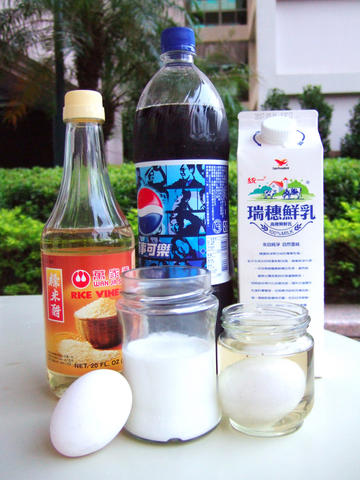
PHOTO: CATHERINE THOMAS, TAIPEI TIMES
Vinegar
Cola
Milk
Six eggs
Barbecue tongs
A pan
Some paper, a pen and some Scotch tape (for labeling the jars)
- First ask an adult to help you to hard-boil three of the eggs. The eggs should be cooked in a pan of boiling water for 10 minutes. Allow them to cool by running them under cold water before you handle them.
- Place the hard-boiled eggs in separate jars. Put three raw eggs in separate jars, too. Label each jar as you go along.
- Now add the liquids. Each liquid should cover the egg completely. There should be a raw and a boiled egg covered by each liquid (milk, cola and vinegar).
- Leave the eggs in the jar for three days. Do not put lids on the jars. Make sure that you leave them in a place where they won't get knocked over. Don't leave them in direct sunlight. Make sure that they are out of reach of pets and younger children.
- After three days, remove each egg carefully from its jar using the barbecue tongs. Be gentle. Make sure that you still know which egg is which.
Don't forget to record what happens in your Science Journal.
雞蛋好棒唷。它們真是既美味又營養,還能幫我們了解所喝的飲料會如何侵害牙齒和骨骼。不過別擔心,這實驗的過程很有趣喔!在處理蛋時記得常洗手。
一些舊的果醬瓶
醋
可樂
牛奶
六顆蛋
烤肉夾
一個小鍋子
一些紙、一隻筆和一些膠帶(用來標示果醬瓶)
- 首先請大人幫你把其中三顆蛋煮到全熟,蛋應該在熱水鍋裡煮十分鐘,使用前再沖冷水讓它們冷卻。
- 將全熟的蛋分別放進不同的果醬瓶,把三顆生蛋也分別放進其它瓶中,在瓶外貼上標籤。
- 將液體加入,每種液體應該完全蓋過蛋身,生蛋和熟蛋都要浸泡於每種液體中(牛奶、可樂、醋)。
- 將蛋泡放在瓶中三天,別蓋蓋子。確定把它們放在不易被打翻的地方。別直接放在太陽光底下。確定瓶子放在寵物和幼兒碰不到的地方。
- 三天後再用烤肉夾小心將蛋拿出,動作要輕點!要記得哪顆蛋是從哪個瓶子拿出的。
別忘了將實驗結果紀錄在《科學日誌》裡。(翻譯:張愛弟)
What's the science? 科學原理
An egg shell is made up of calcium carbonate. Our teeth and bones also contain a lot of calcium. Milk is a good source of calcium. Coke contains phosphoric acid - the reaction of the egg to the coke mirrors how your teeth react when you drink soda.
The vinegar, which is an acid, dissolves the alkaline calcium carbonate, so the shell dissolves. The bubbles that you can see when you put the egg in vinegar are full of carbon. They rise and escape into the air. After 72 hours, this leaves a rubbery egg. You should be able to bounce the hard-boiled egg off the ground (but the raw one will explode).
蛋殼是由碳酸鈣所組成,我們的牙齒和骨骼也富含鈣質,牛奶是很好的鈣質來源,可樂則含有磷酸,蛋對可樂的反應顯示了你的牙齒對可樂的反應。酸性的醋會分解鹼性的碳酸鈣,所以蛋殼會溶化。把蛋放進醋裡所冒出的泡泡則充滿了碳,它們在上升後散發於空氣中。三天後,一顆橡皮似的蛋便會形成啦。全熟的「橡皮蛋」應該可以在地上彈跳起來(但生蛋就會摔爛)。
Science Journal 科學日誌
What do you know about eggs? What are their shells made of? Where do you find calcium in the human body? Where can you find carbon? What do you know about vinegar? Is it an acid or an alkaline? What about milk? Is cola acidic or alkaline? How do you think the eggs will react to each liquid? Do you think the reaction will be different for raw and hard-boiled eggs?
你對蛋了解多少?蛋殼是什麼做的?人體中哪裡含有鈣質?那碳呢?你對醋了解多少?它是酸性或鹼性?那牛奶呢?可樂是酸性或鹼性?你覺得蛋對每種液體會起什麼反應?生蛋和熟蛋的反應會不同嗎?
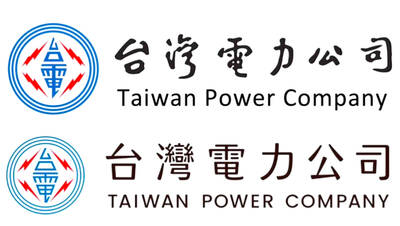
The debate surrounding Taipower’s recent corporate identity reboot has gone well beyond the design community. The controversy began after Taipower replaced the familiar “Taiwan Power Company” wording — widely regarded as the calligraphy of Yu You-ren (1879-1964), former Control Yuan president and master calligrapher — with a modern logotype by designer Aaron Nieh’s team, Aaron Nieh Workshop. Taipower said the change was not a wholesale replacement of old signage, but an “optimization of its identity system,” aimed at meeting the needs of digital media, electronic bills, apps, social media graphics and various small-format applications. Existing physical markings, such as building
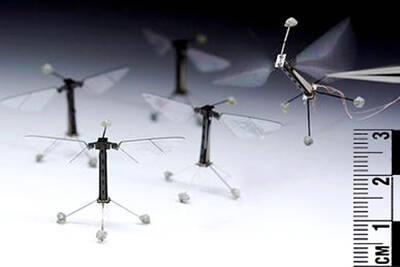
As bee populations around the world continue to decline at an alarming rate, scientists are developing an innovative solution: robotic bees. Recent advances at research institutions like Massachusetts Institute of Technology (MIT) in the US have produced tiny flying robots capable of performing pollination tasks similar to those of real bees. These tiny machines represent an impressive technological achievement. MIT’s latest models can hover in the air for over 1,000 seconds and perform complex movements, demonstrating the agility needed for successful pollination. The robots are designed to mimic the flight patterns of natural bees, offering potential support to agriculture

Continued from yesterday(延續自昨日) https://www.taipeitimes.com/News/lang For the most part, the idea of “Blue Monday” has been rejected as a myth. Some mental health experts also say there is a danger in labeling a certain day as the most depressing time of the entire year. Some argue that if people expect to feel sadder on the third Monday in January, this belief alone may increase their anxiety. One group that is worried about the negative effect of believing in Blue Monday is Samaritans. A mental health charity based in the UK, Samaritans is working to turn Blue Monday into “Brew Monday.” In this

A: Taiwan legalized same-sex marriage on May 24, 2019, so this week marks the seventh anniversary of that milestone. By the end of 2024, a total of 32,126 LGBT couples had tied the knot. B: How many of them got married to foreign partners? A: In 2024, there were 504 cross-border same-sex marriages. By the end of that year, there were 130 cross-strait same-sex marriages between Taiwanese and Chinese — accounting for only about 0.4 percent of the total. B: I’ve heard that a seven-year marriage brings the “seven-year itch.” I bet some couples regret their decisions now. A:


 RSS
RSS