


In Taiwan, children are taught how to speak Mandarin from day one of school. The policy has been successful, and almost everyone in Taiwan can speak the national language.
Not so in China, says the Chinese Ministry of Education. Just over half of the 500,000 people surveyed said they could speak Mandarin.
Overall, 53 percent of people can speak Mandarin in China. In cities, 66 percent of people could speak compared to 45 percent of people in rural areas.
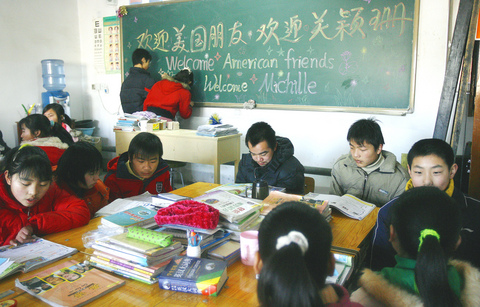
PHOTO: AFP
Mandarin is called putonghua, or common language, in China and the constitution says the government will promote its use, but that minorities have the right to use and develop their own languages.
More younger people understand Mandarin, with about 70 percent of those between the ages of 15 and 29 speaking it, while 31 percent of those between the ages of 60 and 69 said they can speak Mandarin. (Jason Cox, Staff Writer with AP)
在台灣,孩童上學的第一天就學國語。這個政策一直很成功,幾乎人人都會說這種官方語言。
中國教育部指出,在中國可不是如此。受訪的五十萬位民眾中,只逾一半會說普通話。
總計有53%的中國民眾會說普通話。城市說普通話的人佔66%,相較之下,在鄉村只佔45%。
國語在中國稱為普通話。憲法明定政府應推廣使用,但少數族群仍有權使用並發展自己的語言。
中國年輕人比較懂得普通話,十五到二十九歲的民眾約有70%會說普通話,而六十至六十九歲的人則佔31%。 (翻譯︰賴美君)
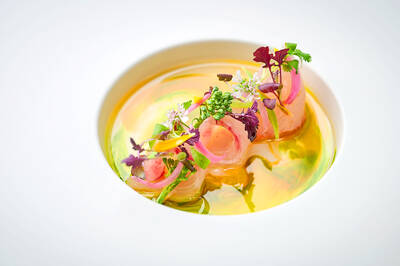
A: Wow, three Taiwanese restaurants just won the 2024 “Asia’s 50 Best Restaurants” awards. B: Awesome! Which three restaurants? A: Taipei’s Logy at No. 22 and MUME at No. 34, and Taichung’s JL Studio at No. 33. B: Actually, there are many more great establishments in Taipei. How about other Asian cities? A: Singapore claimed nine spots this year, making it Asia’s new “food capital.” A: 2024「亞洲50最佳餐廳」名單揭曉了,台灣有3家餐廳上榜。 B: 好厲害,哪3家? A: 台北的Logy和MUME分獲第22和34名,台中的JL Studio獲第33名! B: 其實台北還有很多好餐廳,那其他的亞洲城市呢? A: 新加坡今年入選9家,可說是亞洲美食之都。 (By Eddy Chang, Taipei Times/台北時報張聖恩)
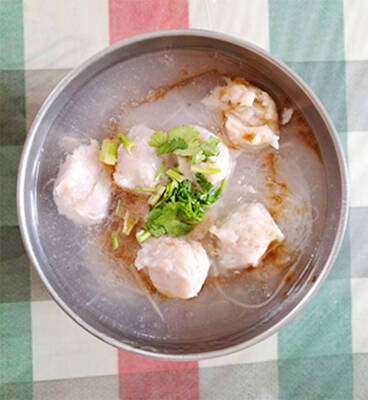
Let’s explore another delicacy primarily known to Tainan locals: floating milkfish in thick soup. Despite its peculiar name, this dish is another Tainan specialty that showcases the popularity of milkfish, which is made into fish paste and served in thick soup. Unlike the version with tutuo fish, which also adds other ingredients to its thick soup, the floating milkfish version primarily features the “floating fish” itself in its thick soup, ensuring that the fish paste remains the star of the dish. 讓我們來探索另一道台南人熟悉的美食:浮水魚羹。這道菜名奇特的美食,再再展現了台南虱目魚料理的多樣。浮水魚羹是用虱目魚漿做成的羹品,雖然和𩵚魠魚羹一樣是羹湯,但不像𩵚魠魚羹會在湯中加入其他食材,而是讓虱目魚漿成為這道料理的主角。 peculiar (adj.) 獨特的;古怪的 The belly of a milkfish is considered the most
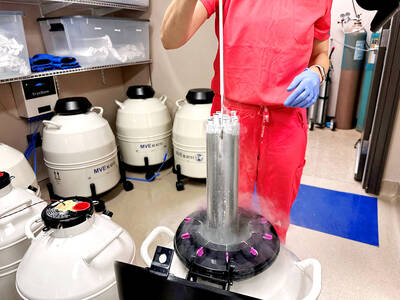
The practice of freezing embryos as part of in vitro fertilization (IVF) was thrown into chaos in Alabama this year, when the state supreme court ruled that such embryos should be considered children, exposing clinics to wrongful death claims in the event they are destroyed in the thawing process. In 2021, more than 80 percent of US IVF procedures involved the transfer of frozen embryos, according to a recent report by the US Department of Health and Human Services. HOW IS EMBRYO FREEZING USED IN IVF? IVF uses high doses of hormones to stimulate ovaries to produce as many eggs as possible. Once

A situation puzzle is a game in which one person describes a scenario and asks the players to explain it. The situation is deliberately lacking in details, but the players may acquire more information by asking questions — however, these can only be answered with “yes” or “no.” A player wins by describing the approximate events that led up to the situation. To do so, they must use a blend of logical and lateral thinking. A famous example of this is sometimes known as “Turtle Soup.” Here’s the riddle: “A man in a restaurant orders turtle soup, tastes it


 RSS
RSS