


Alstom SA, the maker of France’s iconic Train a Grande Vitesse high-speed trains, and German industrial leader Siemens AG on Friday signed an agreement on creating a global leader in the rail industry.
The business combination agreement (BCA) sets the terms of combining Alstom with Siemens’ mobility business, including its rail traction drive business, after the two firms unveiled their plans last year.
NEW LEADER
“With the signing of the BCA, we have reached an important milestone on the way to building a new leader capable of tackling the challenges of tomorrow’s mobility,” Alstom chief executive Henri Poupart-Lafarge, who is to be the CEO of the new company, said in a statement.
Siemens board member Roland Busch is to serve as chairman of the board of directors of the combined entity, which is to be based in France.
Siemens is to control 50 percent of Alstom immediately, but will be blocked from taking a bigger than 50.5-percent stake in the next four years.
Alstom’s trade unions objected to the merger, fearing job cuts and closures.
TRANSFORMATION
An Alstom-Siemens merger has been mooted for years and completes the transformation of the French group, which in 2015 sold its energy business to US rival General Electric Co for 9.5 billion euros (US$11.7 billion).
The merger would create the world’s top firm for rail signalization and the No. 2 for building train carriages, which should help the firms face rising Chinese competition. It is expected to be completed by the end of the year.
Alstom employs 32,800 people worldwide, while Siemens Mobility has 28,800 staff.
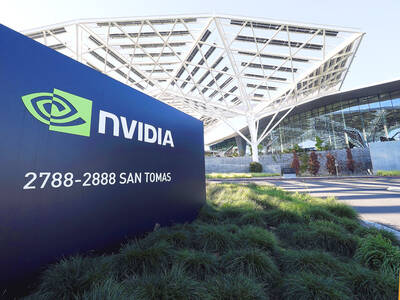
CHIP RACE: Three years of overbroad export controls drove foreign competitors to pursue their own AI chips, and ‘cost US taxpayers billions of dollars,’ Nvidia said China has figured out the US strategy for allowing it to buy Nvidia Corp’s H200s and is rejecting the artificial intelligence (AI) chip in favor of domestically developed semiconductors, White House AI adviser David Sacks said, citing news reports. US President Donald Trump on Monday said that he would allow shipments of Nvidia’s H200 chips to China, part of an administration effort backed by Sacks to challenge Chinese tech champions such as Huawei Technologies Co (華為) by bringing US competition to their home market. On Friday, Sacks signaled that he was uncertain about whether that approach would work. “They’re rejecting our chips,” Sacks
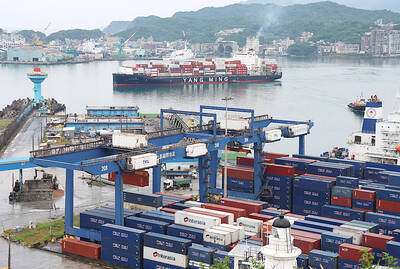
Taiwan’s exports soared 56 percent year-on-year to an all-time high of US$64.05 billion last month, propelled by surging global demand for artificial intelligence (AI), high-performance computing and cloud service infrastructure, the Ministry of Finance said yesterday. Department of Statistics Director-General Beatrice Tsai (蔡美娜) called the figure an unexpected upside surprise, citing a wave of technology orders from overseas customers alongside the usual year-end shopping season for technology products. Growth is likely to remain strong this month, she said, projecting a 40 percent to 45 percent expansion on an annual basis. The outperformance could prompt the Directorate-General of Budget, Accounting and
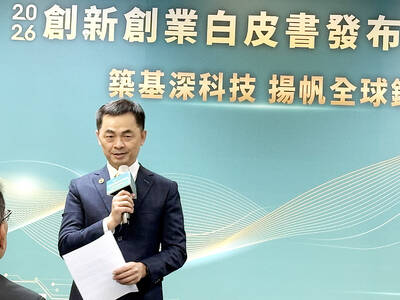
BARRIERS: Gudeng’s chairman said it was unlikely that the US could replicate Taiwan’s science parks in Arizona, given its strict immigration policies and cultural differences Gudeng Precision Industrial Co (家登), which supplies wafer pods to the world’s major semiconductor firms, yesterday said it is in no rush to set up production in the US due to high costs. The company supplies its customers through a warehouse in Arizona jointly operated by TSS Holdings Ltd (德鑫控股), a joint holding of Gudeng and 17 Taiwanese firms in the semiconductor supply chain, including specialty plastic compounds producer Nytex Composites Co (耐特) and automated material handling system supplier Symtek Automation Asia Co (迅得). While the company has long been exploring the feasibility of setting up production in the US to address

OPTION: Uber said it could provide higher pay for batch trips, if incentives for batching is not removed entirely, as the latter would force it to pass on the costs to consumers Uber Technologies Inc yesterday warned that proposed restrictions on batching orders and minimum wages could prompt a NT$20 delivery fee increase in Taiwan, as lower efficiency would drive up costs. Uber CEO Dara Khosrowshahi made the remarks yesterday during his visit to Taiwan. He is on a multileg trip to the region, which includes stops in South Korea and Japan. His visit coincided the release last month of the Ministry of Labor’s draft bill on the delivery sector, which aims to safeguard delivery workers’ rights and improve their welfare. The ministry set the minimum pay for local food delivery drivers at


 RSS
RSS