


Formosa Petrochemical Corp (台塑石化), Mitsubishi Chemical Holdings Corp and other Asian producers may benefit as escalating steel and labor costs delay projects to boost output in the Middle East.
Two ventures in Iran and a third in Qatar to turn natural gas into ethylene, the raw material for plastics, may be postponed, said Steve Zinger, Asia managing director of Chemical Market Associates Inc in Singapore.
Construction costs have risen 60 percent in four years as the price of stainless steel has more than doubled, Formosa director Lin Keh-yen (
The setbacks are expected to limit a collapse in chemical prices because of a glut once all of the proposed plants are built.
Ethylene prices in Asia have slid 24 percent from a record US$1,430 a tonne reached in September.
Iran -- the Middle East's second-largest chemicals maker -- may take longer than expected to expand its output.
"We expect the delays in Iran to lessen the trough in margins, but not eliminate it," said Zinger, who was scheduled to talk about the outlook for ethylene prices at the 2007 Asia Petrochemical Industry Conference in Taipei yesterday.
Rising demand for fuel and chemicals in China, the world's second-largest energy market, has spurred investments in oil refineries and crackers.
Exxon Mobil Corp, Saudi Basic Industries Corp, the Middle East's biggest chemicals maker, and Royal Dutch Shell are among companies planning ethylene projects at a cost of more than US$2 billion each.
"Oil prices have doubled, but the number of engineers hasn't," said Tony Regan, an energy consultant at Nexant Inc in Singapore. "The high demand for engineers and resources will continue in the next three to five years."
Prior to the delays, ethylene production capacity in Asia was set to rise by 8.2 percent a year between this year and 2010, more than double the 4 percent growth in demand over the same period, Chemical Market Associates said.
Qatar and Iran are working to expand petrochemicals output by tapping the world's biggest natural gas field, which extends across the offshore boundary between the nations.
Qatar's ethylene capacity is expected to more than double to 2.8 million tonnes by 2010, Koichi Ishihara, an industry analyst at Japan's Mizuho Securities Co said in an April 17 report. Iran, which plans to start production at two new crackers this year, plans to make 8 million tonnes of ethylene a year by 2010, the report said.
Iran's National Petrochemical Co has delayed the start-up of new crackers because of labor shortages and rising costs, Ishihara said.
"Many projects in the Middle East are likely to be delayed as costs have doubled," Masahiro Yoneyama, president of Access Intelligence KK, said yesterday at the conference. "With engineering and equipment makers fully booked, new projects may take four years to complete."
"The cost of building a new cracker has gone up by approximately 60 percent, compared with four years ago," Lin said in Taipei. "It can take as long as two years or longer to get equipment delivered from manufacturers."
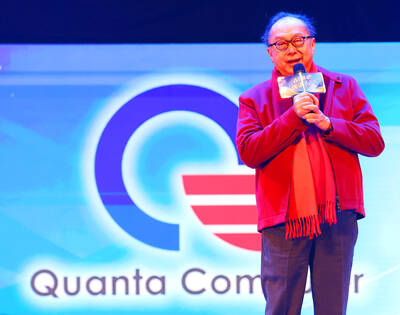
Quanta Computer Inc (廣達) chairman Barry Lam (林百里) is expected to share his views about the artificial intelligence (AI) industry’s prospects during his speech at the company’s 37th anniversary ceremony, as AI servers have become a new growth engine for the equipment manufacturing service provider. Lam’s speech is much anticipated, as Quanta has risen as one of the world’s major AI server suppliers. The company reported a 30 percent year-on-year growth in consolidated revenue to NT$1.41 trillion (US$43.35 billion) last year, thanks to fast-growing demand for servers, especially those with AI capabilities. The company told investors in November last year that
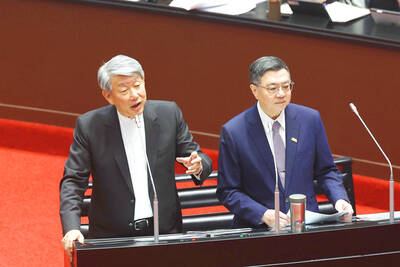
Taiwanese suppliers to Taiwan Semiconductor Manufacturing Co. (TSMC, 台積電) are expected to follow the contract chipmaker’s step to invest in the US, but their relocation may be seven to eight years away, Minister of Economic Affairs J.W. Kuo (郭智輝) said yesterday. When asked by opposition Chinese Nationalist Party (KMT) Legislator Niu Hsu-ting (牛煦庭) in the legislature about growing concerns that TSMC’s huge investments in the US will prompt its suppliers to follow suit, Kuo said based on the chipmaker’s current limited production volume, it is unlikely to lead its supply chain to go there for now. “Unless TSMC completes its planned six

Intel Corp has named Tasha Chuang (莊蓓瑜) to lead Intel Taiwan in a bid to reinforce relations between the company and its Taiwanese partners. The appointment of Chuang as general manager for Intel Taiwan takes effect on Thursday, the firm said in a statement yesterday. Chuang is to lead her team in Taiwan to pursue product development and sales growth in an effort to reinforce the company’s ties with its partners and clients, Intel said. Chuang was previously in charge of managing Intel’s ties with leading Taiwanese PC brand Asustek Computer Inc (華碩), which included helping Asustek strengthen its global businesses, the company
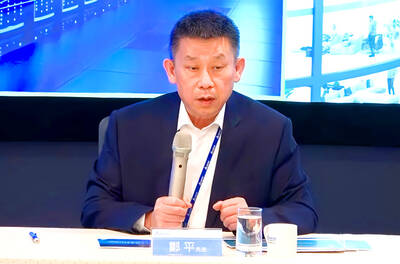
Power supply and electronic components maker Delta Electronics Inc (台達電) yesterday said second-quarter revenue is expected to surpass the first quarter, which rose 30 percent year-on-year to NT$118.92 billion (US$3.71 billion). Revenue this quarter is likely to grow, as US clients have front-loaded orders ahead of US President Donald Trump’s planned tariffs on Taiwanese goods, Delta chairman Ping Cheng (鄭平) said at an earnings conference in Taipei, referring to the 90-day pause in tariff implementation Trump announced on April 9. While situations in the third and fourth quarters remain unclear, “We will not halt our long-term deployments and do not plan to


 RSS
RSS