


Boracay island sailboat operator Sherwine Constantino longs to see Chinese tourists once again strolling on the resort isle’s white-sand beaches. Since tighter entry policies were slapped on visitors from China two years ago, his business has suffered greatly.
Instead of bookings for eight trips a day, Constantino considers himself lucky if he gets two.
However, starting yesterday, the government eased restrictions to help nearly 7 million Filipino tourism workers like Constantino by implementing easier electronic visas for Chinese visitors. It has removed curbs put in place in late 2023 over concerns that some visitors from China were involved in scams and illegal gambling.
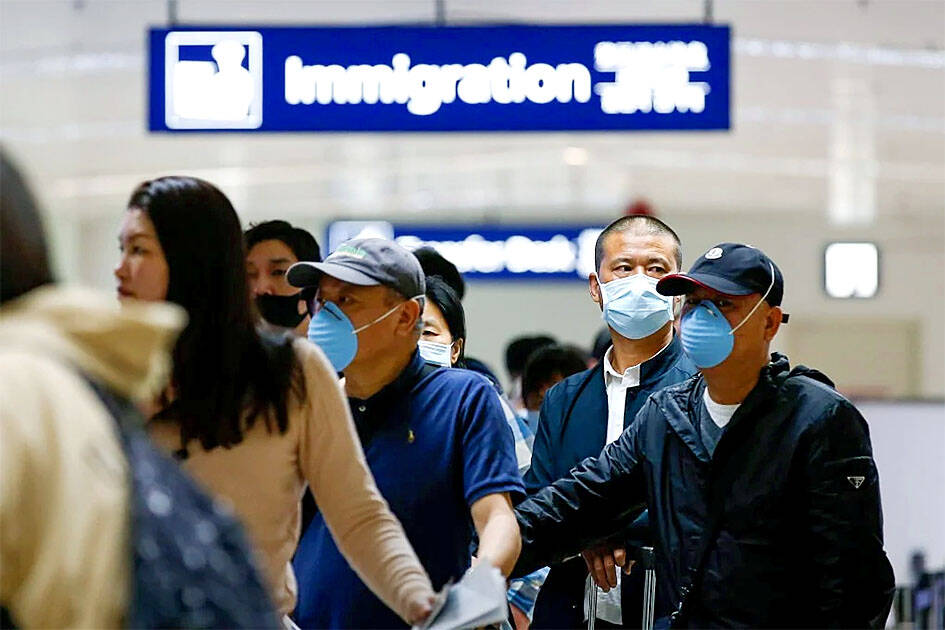
photo: EPA-EFE
The Philippines is re-embracing Chinese travelers after overseas tourist arrivals plunged to a three-year low in September, putting at risk a sector that accounts for nearly one-10th of economic output. The country has also been a regional laggard in post-COVID-19 pandemic tourism recovery, as Chinese visitors opt for neighboring countries like Vietnam.
“Removing restrictions on Chinese tourists will be a huge help for us. We really need legal visitors from China here,” Constantino said.
The Philippine Department of Tourism said the easier visa policy “addresses a gap that has constrained our regional competitiveness.”
“This development is therefore both necessary and overdue,” Philippine Secretary of Tourism Christina Frasco said in a statement last month.
However, the welcome mat for Chinese tourists has triggered some pushback amid geopolitical tensions between Manila and Beijing.
Philippine Representative Rufus Rodriguez urged Philippine President Ferdinand Marcos Jr to scrap the e-visa plan for Chinese nationals, raising concerns over possible spying and other crimes.
The easier visa policy is also “contrary” to the government’s current policy against Beijing’s aggression in the disputed South China Sea, Rodriguez said.
Philippine travel agencies, on the other hand, are longing for the return of Chinese tourists.
“We are really waiting for our Chinese visitors to return,” said Harold Atondo, who heads tour company ATD Xperience.
Its partner hotels, transport services and Chinese-speaking guides are making preparations, though the return will be gradual, particularly to top destinations such as Boracay and gaming complexes in Manila and nearby provinces, he said.
Indeed, Chinese tourists are being wooed by other countries, such as Malaysia and Thailand, which offer even easier visa-free entry for visitors from China.
Meanwhile, domestic carriers such as Cebu Air Inc and Philippine Airlines Inc have cut back flights to China amid weak demand, making trips from China to the country less convenient than before.
The Philippine tourism industry might eventually be stronger. The interlude led companies to explore strategies to widen markets from which to draw new visitors, said Chal Lontoc-Del Rosario from the Philippine Travel Agencies Association.
“In a way, it helped businesses here in the Philippines refocus our strategies in terms of inbound tourism,” she said.
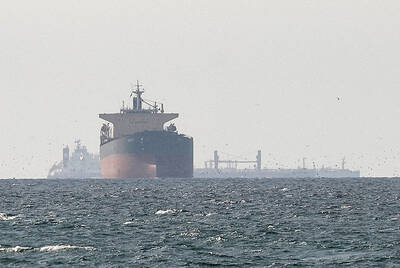
A ship that appears to be taking on the identity of a scrapped gas carrier exited the Strait of Hormuz on Friday, showing how strategies to get through the waterway are evolving as the Middle East war progresses. The vessel identifying as liquefied natural gas (LNG) carrier Jamal left the Strait on Friday morning, ship-tracking data show. However, the same tanker was also recorded as having beached at an Indian demolition yard in October last year, where it is being broken up, according to market participants and port agent’s reports. The ship claiming to be Jamal is likely a zombie vessel that
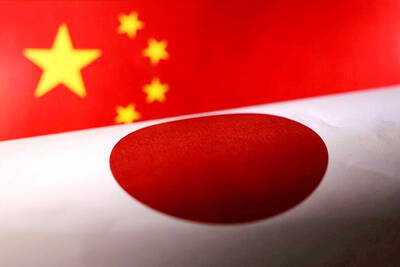
Japan is to downgrade its description of ties with China from “one of its most important” in an annual diplomatic report, according to a draft reviewed by Reuters, as relations with Beijing worsen. This year’s Diplomatic Bluebook, which Japanese Prime Minister Sanae Takaichi’s government is expected to approve next month, would instead describe China as an important neighbor and the relationship as “strategic” and “mutually beneficial.” The draft cites a series of confrontations with Beijing over the past year, including export controls on rare earths, radar lock-ons targeting Japanese military aircraft and increased pressure around Taiwan. The shift in tone underscores a deterioration

LAW CONSTRAINTS: The US has been pressing allies to send warships to open the Strait, but Tokyo’s military actions are limited under its postwar pacifist constitution Japan could consider deploying its military for minesweeping in the Strait of Hormuz if a ceasefire is reached in the war on Iran, Japanese Minister of Foreign Affairs Toshimitsu Motegi said yesterday. “If there were to be a complete ceasefire, hypothetically speaking, then things like minesweeping could come up,” Motegi said. “This is purely hypothetical, but if a ceasefire were established and naval mines were creating an obstacle, then I think that would be something to consider.” Japan’s military actions are limited under its postwar pacifist constitution, but 2015 security legislation allows Tokyo to use its Self-Defense Forces overseas if an attack,

German Chancellor Friedrich Merz’s conservative Christian Democratic Union (CDU) yesterday faced a regional election battle in Rhineland-Palatinate, now held by the center-left Social Democratic Party (SPD). Merz’s CDU has enjoyed a narrow poll lead over the SPD — their coalition partners at the national level — who have ruled the mid-sized state for 35 years. Polling third is the far-right Alternative for Germany (AfD), which spells a greater threat to the two centrist parties in several state elections in September in the country’s ex-communist east. The picturesque state of Rhineland-Palatinate, bordering France, Belgium and Luxembourg and with a population of about 4 million,


 RSS
RSS