


Australia’s Parliament sat yesterday for the first time since May elections with the new prime minister determined to have a greenhouse gas reduction target enshrined in law.
Legislation that would force Australia to reduce its emissions by 43 percent below 2005 levels by the end of the decade is to be introduced today into the Australian House of Representatives.
While Australian Prime Minster Anthony Albanese’s Labor Party holds a narrow majority in the House, it will need the support of senators from outside government ranks to get the bill through the upper chamber.
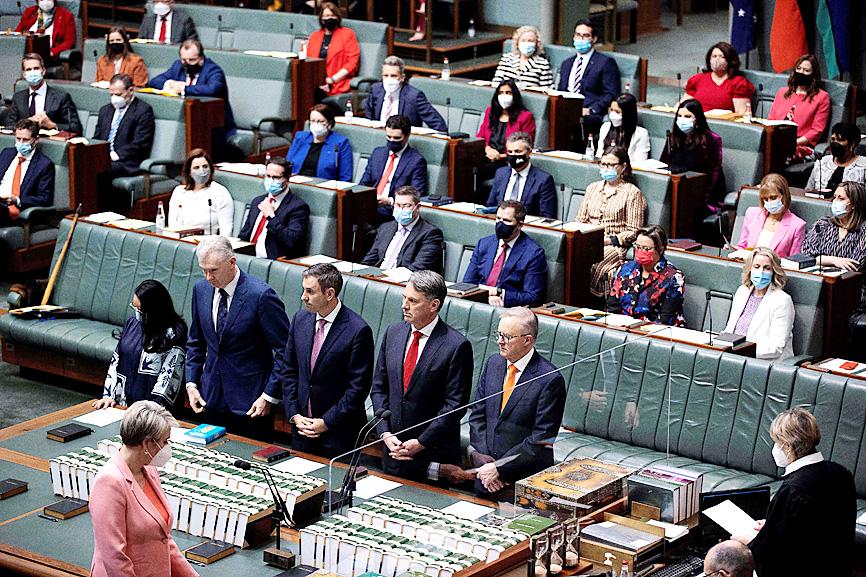
Photo: AFP
If Labor can persuade all 12 senators from the minor Greens party to support the bill, it would only need one more senator from the remaining six available to achieve a majority.
The Greens want Australia to slash its emissions by 75 percent by 2030.
The coalition that ruled for nine years until the May 21 election said it would reduce emissions by 26 to 28 percent.
Albanese said that voters and business groups had endorsed the 43 percent target.
“Our policy is well thought through,” Albanese said. “It was announced, it was campaigned upon, indeed, it received a mandate.”
Labor has agreed to some of the Greens’ demands, including that the bill would state that any target was a floor, not a ceiling and that there would be no reduction in the government’s ambition.
Greens leader Adam Bandt said that his party needed more concessions and negotiations would continue.
Bandt said that the government must stop approving new coal and gas projects and adopt a more ambitious target than 43 percent.
“We have been very concerned that the bill might put that weak target into law in a way that would put a handbrake on future governments that might be willing to act according to the science,” Bandt said.
The new government has already officially notified the UN of the 43 percent target.
It wants the target enshrined in law in case a future administration attempts to reduce the target.
Six new Greens lawmakers were sworn in yesterday, three to the House and three to the Senate.
Bandt described the election result as the party’s best ever.
The major parties both lost seats to candidates who promised more action on climate change.
The Liberal Party lost six House seats that were considered some of their safest to independents.
The number of lawmakers in the House unaligned to major parties has burgeoned from seven in the previous Parliament to 16 in the new Parliament.
It is the largest number of unaligned lawmakers in the 151-seat House since the Liberal Party was formed in 1944.
Some observers say the trend suggests the years of majority government in Australia are numbered.
Australia has only had one minority government since World War II. A Labor minority government was elected in 2010 and lasted for a single three-year term.
Ian McAllister, an Australian National University political scientist who surveys voters after elections, said that a substantial number wanted more action on climate change than the major parties were prepared to take.
“We asked about climate change. These days it’s about the second or third most important issue, whereas 10 or 15 years ago it was maybe fifth or sixth, and it’s very much associated with younger voters,” McAllister said.

ROCKY RELATIONS: The figures on residents come as Chinese tourist numbers drop following Beijing’s warnings to avoid traveling to Japan The number of Chinese residents in Japan has continued to rise, even as ties between the two countries have become increasingly fractious, data released on Friday showed. As of the end of December last year, the number of Chinese residents had increased by 6.5 percent from the previous year to 930,428. Chinese people accounted for 22.6 percent of all foreign residents in Japan, making them by far the largest group, Japanese Ministry of Justice data showed. Beijing has criticized Tokyo in increasingly strident terms since Japanese Prime Minister Sanae Takaichi last year suggested that a military conflict around Taiwan could
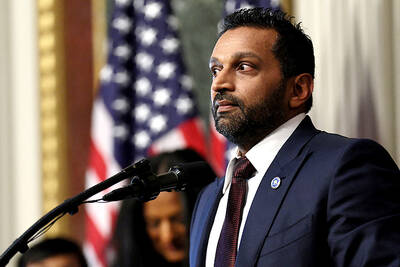
A pro-Iran hacking group claimed to breach FBI Director Kash Patel’s personal e-mail inbox and posted some of the contents online. The e-mails provided by the hacking group include travel details, correspondence with leasing agents in Washington and global entry, and loyalty account numbers. The e-mail address the hackers claim to have compromised has been previously tied to Patel’s personal details, and the leaked e-mails contain photos of Patel and others, in addition to correspondence with family members and colleagues. “The FBI is aware of malicious actors targeting Director Patel’s personal email information,” the agency said in a statement on
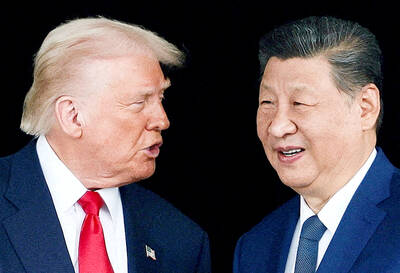
RIVALRY: ‘We know that these are merely symbolic investigations initiated by China, which is in fact the world’s most profligate disrupter of supply chains,’ a US official said China has started a pair of investigations into US trade practices, retaliating against similar probes by US President Donald Trump’s administration as the superpowers stake out positions before an expected presidential summit in May. The move, announced by the Chinese Ministry of Commerce on Friday, is a direct mirror of steps Trump took to revive his tariff agenda after the US Supreme Court last month struck down some of his duties. “China expresses its strong dissatisfaction and firm opposition to these actions,” a ministry spokesperson said in a statement, referring to the so-called Section 301 investigations initiated on March 11.

When a hiker fell from a 55m waterfall in wild New Zealand bush, rescuers were forced to evacuate the badly hurt woman without her dog, which could not be found. After strangers raised thousands of dollars for a search, border collie Molly was flown to safety by a helicopter pilot who was determined to reunite the pet and the owner. A week earlier, an emergency rescue helicopter found the woman with bruises and lacerations after a fall at a rocky spot at the waterfall on the South Island’s West Coast. She was airlifted on March 24, but they were forced to


 RSS
RSS