


Concerts planned in Australia to honor Mao Zedong (毛澤東) on the 40th anniversary of his death were canceled amid warnings they could spark disturbances, illustrating a generational divide in the Chinese community over the Chinese Communist Party (CCP) icon’s legacy.
Despite Chinese government recriminations over the brutal decade of mayhem he unleashed, Mao’s appeal has not diminished among loyalists both at home and among migrant communities.
Authorities in Australia’s two biggest cities, Sydney and Melbourne, axed the “Glory and Dreams” concerts that were to be held on Tuesday in the face of criticism they would have praised “the worst mass murderer in human history.”
The City of Sydney said the event planned at the grand Town Hall to honor the anniversary raised the “potential for civil disturbance, patron-to-patron conflict and staff-to-patron conflict.”
It said the organizers themselves identified the event, billed as a cultural concert, as being at “high risk of disruption.”
Australia is home to about 866,000 ethnic Chinese among a population of 24 million — with half born in China. High emotion over the Mao commemorations exposes a schism largely between older emigres who witnessed the catastrophic Cultural Revolution and the bloody Tiananmen crackdown, and more recent arrivals who know a richer, more confident and modern China.
Flyers for the concerts described Mao as “a national leader forever in the hearts of Chinese people and a hero in the eyes of people all over the world,” according to Feng Chongyi (馮崇義) from the University of Technology in Sydney.
For those who blame him for the deaths of tens of millions of people in famine and purges in the decade from 1966, this was “too much,” the associate professor in China studies wrote in a commentary.
To many Australians “Mao or Maoism is a symbol of violence, dictatorship, intolerance, political persecution and cultural repression,” he added.
Leading the backlash has been the Embracing Australian Values Alliance group, which launched an online petition that attracted thousands of signatures.
The concerts had “triggered the trauma of many Chinese victims of Mao’s revolution” and went against Australian values, it said.
John Hugh, one of those behind the petition, said Mao’s legacy remained painful for many Chinese.
“He is not gone yet,” he said of Mao, who still commands a powerful personality cult in some quarters. “These kind of concerts just refreshed their wounds.”
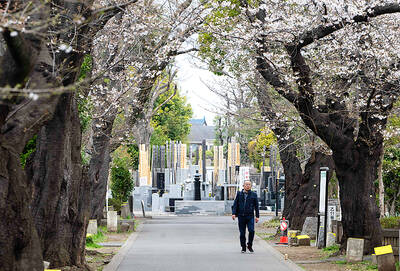
ROCKY RELATIONS: The figures on residents come as Chinese tourist numbers drop following Beijing’s warnings to avoid traveling to Japan The number of Chinese residents in Japan has continued to rise, even as ties between the two countries have become increasingly fractious, data released on Friday showed. As of the end of December last year, the number of Chinese residents had increased by 6.5 percent from the previous year to 930,428. Chinese people accounted for 22.6 percent of all foreign residents in Japan, making them by far the largest group, Japanese Ministry of Justice data showed. Beijing has criticized Tokyo in increasingly strident terms since Japanese Prime Minister Sanae Takaichi last year suggested that a military conflict around Taiwan could
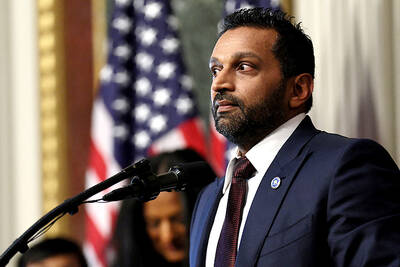
A pro-Iran hacking group claimed to breach FBI Director Kash Patel’s personal e-mail inbox and posted some of the contents online. The e-mails provided by the hacking group include travel details, correspondence with leasing agents in Washington and global entry, and loyalty account numbers. The e-mail address the hackers claim to have compromised has been previously tied to Patel’s personal details, and the leaked e-mails contain photos of Patel and others, in addition to correspondence with family members and colleagues. “The FBI is aware of malicious actors targeting Director Patel’s personal email information,” the agency said in a statement on
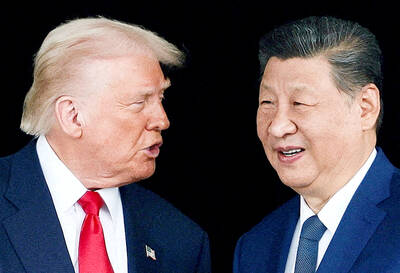
RIVALRY: ‘We know that these are merely symbolic investigations initiated by China, which is in fact the world’s most profligate disrupter of supply chains,’ a US official said China has started a pair of investigations into US trade practices, retaliating against similar probes by US President Donald Trump’s administration as the superpowers stake out positions before an expected presidential summit in May. The move, announced by the Chinese Ministry of Commerce on Friday, is a direct mirror of steps Trump took to revive his tariff agenda after the US Supreme Court last month struck down some of his duties. “China expresses its strong dissatisfaction and firm opposition to these actions,” a ministry spokesperson said in a statement, referring to the so-called Section 301 investigations initiated on March 11.

When a hiker fell from a 55m waterfall in wild New Zealand bush, rescuers were forced to evacuate the badly hurt woman without her dog, which could not be found. After strangers raised thousands of dollars for a search, border collie Molly was flown to safety by a helicopter pilot who was determined to reunite the pet and the owner. A week earlier, an emergency rescue helicopter found the woman with bruises and lacerations after a fall at a rocky spot at the waterfall on the South Island’s West Coast. She was airlifted on March 24, but they were forced to


 RSS
RSS