


Physician Nadim Uddin Siddiqui fixed his gaze on a camera in the shiny new studios of Health TV in Karachi, Pakistan’s economic hub, and prepared to take the day’s first question.
“My husband doesn’t want to make love anymore. What should I do doctor?” a housewife asked him over the telephone.
In the strait-laced Muslim country, a new TV show is trying to deal with the delicate subject of sex and embarrassing illnesses without angering conservatives.
Most of Pakistan’s 80-odd TV stations fill their airtime with cooking shows, soap operas, cricket and interminable chat shows debating the country’s myriad political dramas.
Yet once a week, for one hour, Health TV does something very different: It takes questions from viewers on sex, or more precisely, sexual problems.
“My husband only wants to do it once a week, sometimes once a fortnight, and it doesn’t last very long,” housewife Ayesha continued, calling from the eastern city of Lahore.
The portly Siddiqui, his pearly white teeth glistening under the studio lights, does not miss a beat.
“We call this loss of libido … it occurs when you have a low level of testosterone. You should work on your husband’s diet, feed him more fish and push him to exercise,” he said. “God willing, your husband will get better.”
Each Thursday, Clinic Online, which began airing a year ago, takes dozens of calls on subjects ranging from loss of libido and erectile dysfunction to questions about sexually transmitted diseases, micro-penises and nymphomania.
“Sex is a very difficult matter in Pakistan. Here it is very difficult to talk in open forum, in media, in any seminar. So whenever you talk about sex you should be very careful,” Siddqui said after the show.
He attributes the program’s success in part to highlighting issues around sexual diseases, which he said resonates even with the deeply religious, and takes pride in having avoided controversy so far.
“I have never seen a single person who is having any objection [to] me. They appreciate me because … if it is a disease, you have to treat [it]. You must try to propagate your knowledge,” he said.
Founded three years ago, Health TV is something of an odd fit in Pakistan, a conservative Islamic state of 180 million which saw an explosion of private broadcasters in the early 2000s under the liberalization agenda of former Pakistani president Pervez Musharraf.
Part of the Ziauddin network of private hospitals, Health TV says its mission is to improve health awareness in a country where access to a doctor can be difficult in rural areas and for those without financial means.
Sometimes religious conservatism can play a part in ignorance and poor health: Gynecologists at times refuse to examine unmarried women, who according to them should not be having sex.
“In our society, the woman, if she comes from a very conservative background, someone would have to take her to the doctor — her mother, her sister,” Health TV director Faizan Syed said. “This [the show] gives them that comfort of a hidden identity.”
Syed added that the channel provides only an advisory role and people should still visit a doctor if they are concerned.
The channel also offers advice to men, while other programs deal with topical subjects like polio, the crippling disease still blighting Pakistan thanks in part to Taliban opposition to vaccination.
Even sensitive issues like abortion and breast cancer are covered.
“There was a time you couldn’t even discuss breast cancer, because women didn’t want to talk about their breasts, they didn’t want to talk about their body because their husband might get upset,” Anoushey Ashraf said.
Ashraf hosts a morning show where a cleric, a psychiatrist and a social worker gather to discuss abortion, which is illegal in Pakistan except to save the mother’s life.
The opinion of religious leaders carries a lot of weight in the country and can add significantly to a physician’s arguments. What, for example, does Islam make of abortion?
“If anything like this is done to save the life of a mother, then Shariah [Islamic law] allows abortion,” cleric Shahid Madani said.
If the dozens of calls to each show are anything to go by, the public appear to agree.
Health TV knows it is far from dethroning the biggest channels, but it is confident of growing thanks to shows by the likes of Siddiqui and the glamorous Anoushey.
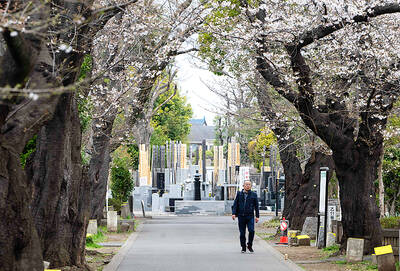
ROCKY RELATIONS: The figures on residents come as Chinese tourist numbers drop following Beijing’s warnings to avoid traveling to Japan The number of Chinese residents in Japan has continued to rise, even as ties between the two countries have become increasingly fractious, data released on Friday showed. As of the end of December last year, the number of Chinese residents had increased by 6.5 percent from the previous year to 930,428. Chinese people accounted for 22.6 percent of all foreign residents in Japan, making them by far the largest group, Japanese Ministry of Justice data showed. Beijing has criticized Tokyo in increasingly strident terms since Japanese Prime Minister Sanae Takaichi last year suggested that a military conflict around Taiwan could
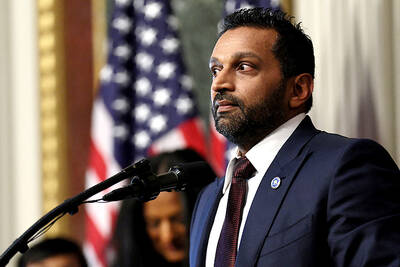
A pro-Iran hacking group claimed to breach FBI Director Kash Patel’s personal e-mail inbox and posted some of the contents online. The e-mails provided by the hacking group include travel details, correspondence with leasing agents in Washington and global entry, and loyalty account numbers. The e-mail address the hackers claim to have compromised has been previously tied to Patel’s personal details, and the leaked e-mails contain photos of Patel and others, in addition to correspondence with family members and colleagues. “The FBI is aware of malicious actors targeting Director Patel’s personal email information,” the agency said in a statement on
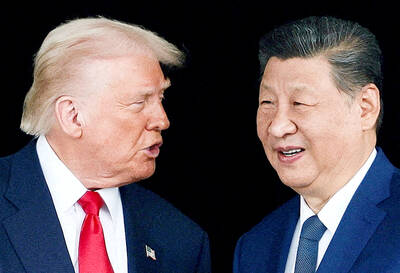
RIVALRY: ‘We know that these are merely symbolic investigations initiated by China, which is in fact the world’s most profligate disrupter of supply chains,’ a US official said China has started a pair of investigations into US trade practices, retaliating against similar probes by US President Donald Trump’s administration as the superpowers stake out positions before an expected presidential summit in May. The move, announced by the Chinese Ministry of Commerce on Friday, is a direct mirror of steps Trump took to revive his tariff agenda after the US Supreme Court last month struck down some of his duties. “China expresses its strong dissatisfaction and firm opposition to these actions,” a ministry spokesperson said in a statement, referring to the so-called Section 301 investigations initiated on March 11.

When a hiker fell from a 55m waterfall in wild New Zealand bush, rescuers were forced to evacuate the badly hurt woman without her dog, which could not be found. After strangers raised thousands of dollars for a search, border collie Molly was flown to safety by a helicopter pilot who was determined to reunite the pet and the owner. A week earlier, an emergency rescue helicopter found the woman with bruises and lacerations after a fall at a rocky spot at the waterfall on the South Island’s West Coast. She was airlifted on March 24, but they were forced to


 RSS
RSS