


Up to 100,000 people jammed streets in the Indonesian capital yesterday, shouting slogans and hoisting banners in support of a proposed anti-pornography law that critics fear will erode the mostly Muslim nation's secular traditions.
The protesters, who arrived in buses organized by mosques and conservative Islamic groups, urged parliament to immediately pass the bill, that in its current form would ban kissing in public, as well as erotic poetry, dancing, drawing, writing, photos and film.
Organizers said 1 million people would attend the demonstration. Turnout appeared far less than that, perhaps 100,000, but it was still one of the largest shows of force by conservative Islam in recent years.

PHOTO: EPA
The protest virtually shut down main roads in the capital for several hours as the demonstrators made their way to the parliament building, which was guarded by hundreds of police officers, some in riot gear.
"Pornography is part of the culture of the West and the unbelievers," said demonstrator Choirul Hassan. "They are exporting this to Indonesia to destroy a whole generation of Muslim youth. They must be stopped."
Some demonstrators carried banners calling for the imposition of Islamic law in the country, which is home to some 190 million Muslims -- more than any other country in the world -- but also has significant Christian, Hindu and Buddhist minorities.
Others held up posters showing monkeys dressed in underwear, with captions reading: "Only animals like to go naked!"
"Ban pornography and stop the sex industry," they shouted. "Down with liberalism and secularism," read one banner in support of the bill, which has become a rallying call for the country's growing hardline fringe.
The bill, which was originally drafted in 1999 following the downfall of ex-dictator Suharto, is facing opposition from nationalist lawmakers, who form a majority in the house, and is unlikely to pass as in its current form.
Those opposed to the bill include the country's minority faiths, liberal Muslim groups, artists and several outlying regions which fear their traditional dances and culture may be criminalized.
They note the country already has laws banning pornography, and say that the police, long accused of taking bribes from criminals to avoid arrest, should simply enforce them better.
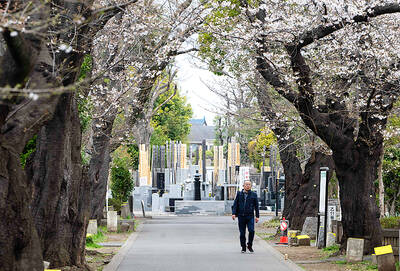
ROCKY RELATIONS: The figures on residents come as Chinese tourist numbers drop following Beijing’s warnings to avoid traveling to Japan The number of Chinese residents in Japan has continued to rise, even as ties between the two countries have become increasingly fractious, data released on Friday showed. As of the end of December last year, the number of Chinese residents had increased by 6.5 percent from the previous year to 930,428. Chinese people accounted for 22.6 percent of all foreign residents in Japan, making them by far the largest group, Japanese Ministry of Justice data showed. Beijing has criticized Tokyo in increasingly strident terms since Japanese Prime Minister Sanae Takaichi last year suggested that a military conflict around Taiwan could
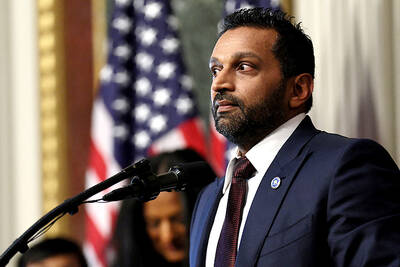
A pro-Iran hacking group claimed to breach FBI Director Kash Patel’s personal e-mail inbox and posted some of the contents online. The e-mails provided by the hacking group include travel details, correspondence with leasing agents in Washington and global entry, and loyalty account numbers. The e-mail address the hackers claim to have compromised has been previously tied to Patel’s personal details, and the leaked e-mails contain photos of Patel and others, in addition to correspondence with family members and colleagues. “The FBI is aware of malicious actors targeting Director Patel’s personal email information,” the agency said in a statement on
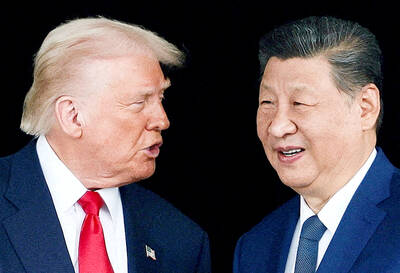
RIVALRY: ‘We know that these are merely symbolic investigations initiated by China, which is in fact the world’s most profligate disrupter of supply chains,’ a US official said China has started a pair of investigations into US trade practices, retaliating against similar probes by US President Donald Trump’s administration as the superpowers stake out positions before an expected presidential summit in May. The move, announced by the Chinese Ministry of Commerce on Friday, is a direct mirror of steps Trump took to revive his tariff agenda after the US Supreme Court last month struck down some of his duties. “China expresses its strong dissatisfaction and firm opposition to these actions,” a ministry spokesperson said in a statement, referring to the so-called Section 301 investigations initiated on March 11.

When a hiker fell from a 55m waterfall in wild New Zealand bush, rescuers were forced to evacuate the badly hurt woman without her dog, which could not be found. After strangers raised thousands of dollars for a search, border collie Molly was flown to safety by a helicopter pilot who was determined to reunite the pet and the owner. A week earlier, an emergency rescue helicopter found the woman with bruises and lacerations after a fall at a rocky spot at the waterfall on the South Island’s West Coast. She was airlifted on March 24, but they were forced to


 RSS
RSS