

The Taichung District Prosecutors’ Office yesterday indicted four companies and 15 people in connection with cooking oil produced by Central Union Oil Corp (CUOC, 中聯油脂) that contained excessive levels of the carcinogen benzopyrene (BaP).
CUOC, Taisun Enterprise Co (泰山企業), Fwusow Industry Co (福壽實業) and Formosa Oilseed Processing Co (福懋油脂), along with executives from the four companies, were indicted on charges including violations of the Act Governing Food Safety and Sanitation (食品安全衛生管理法), forgery and fraud, prosecutors said in a statement.
CUOC reported the contamination on June 30. Subsequent investigations identified seven batches of soybean-based cooking oil produced by the company that contained excessive levels of BaP — a Group 1 carcinogen — affecting more than 13,000 businesses across Taiwan.
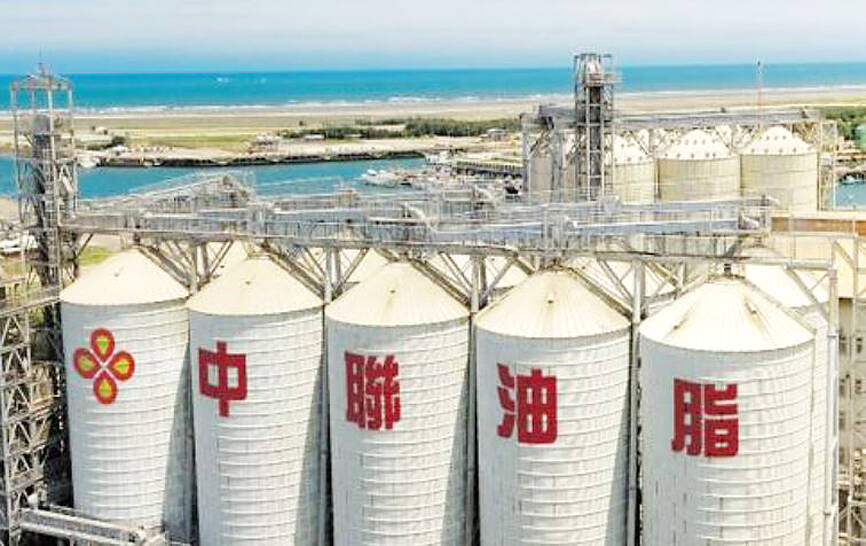
Photo: Screen grab from the company’s Web site
Prosecutors said that CUOC chairman Tsai Ching-sung (蔡清松), general manager Yu Ling-chung (余凌?), factory manager Chen Ming-jung (陳明榮) and other senior personnel knew that certain shipments of soybeans imported from Brazil had higher levels of heat damage, increasing the risk of BaP forming during the manufacturing process.
However, they allegedly relaxed the company’s limit for heat-damaged soybean kernels from 0.5 percent to 5 percent without introducing corresponding measures, such as increased testing and monitoring, prosecutors said.
The officials learned of abnormal BaP test results for semifinished degummed oil in May, but failed to take timely action, including conducting an inventory and improving the manufacturing process, they said.
The company officials also failed to report the test results in a timely manner to the Food and Drug Administration as required under the act or recall the affected products, they said.
Based on test results and manufacturing and product distribution records, seven batches of oil totaling 8,478 tonnes containing excessive levels of BaP were distributed to Taisun, Fwusow and Formosa Oilseed for repackaging, mixing and sale, prosecutors said.
Prosecutors also said that senior personnel at the three companies knew in May and June that the cooking oil they received had contamination problems, but failed to promptly suspend sales, remove affected products from shelves or report the matter to authorities.
Instead, the companies allegedly continued repackaging, mixing and selling the affected products to downstream food businesses and consumers who were unaware of the contamination, prosecutors said.
Prosecutors also indicted Fwusow chairman Hung Yau-kuen (洪堯昆) and general manager Chao Wen-chiang (趙文強); Formosa Oilseed general manager Chang Chih-pin (張志賓); and Taisun chairman Liu Wei-lung (劉偉龍), as well as former and current general managers Shen Yi-chun (沈怡君) and Tsai Kuo-liang (蔡國樑).
CUOC underreported the amount of contaminated oil in its No. 315 storage tank when it reported the contamination on June 30, reporting 522,176kg, rather than the actual amount of more than 1.28 million kilograms, prosecutors said.
The discrepancy hindered authorities’ ability to trace the contaminated products and accurately identify and recall affected products, they added.
Through the alleged sale of the affected products, Fwusow officials obtained NT$5.31 million (US$166,223) in sales proceeds, while Formosa Oilseed and Taisun officials obtained NT$1.96 million and NT$287,309 respectively, prosecutors said.
The prosecutors’ office estimated the companies’ total illicit gains in the case at about NT$887.31 million. It is seeking court orders to confiscate and recover NT$373.07 million from CUOC, NT$200.13 million from Fwusow, NT$183.9 million from Formosa Oilseed and NT$130.21 million from Taisun.
The office conducted four raids between July 9 and Aug. 4, seizing material including mobile phones, computers, hard drives, manufacturing documents and testing records, the statement said.
The court approved prosecutors’ requests to detain Yu, Chen, Shen and Tsai Kuo-liang incommunicado.
It also approved requests to seize real estate owned by the four companies, prosecutors said.

McDonald’s Taiwan today said it has halted sales of its limited edition Sea Flavor Fried Shrimp Burger and its double-patty version, after the importer notified the company last night that the shrimp patties contained nitrofurans — a group of synthetic antibiotics — and their metabolites. Sales of the shrimp burgers were suspended nationwide at 10:30am today and customers who purchased them yesterday or in the early hours of this morning would be eligible for refunds, the company said, adding that more details would be announced within a week. McDonald’s Taiwan said it was notified last night that subsequent batch testing had found
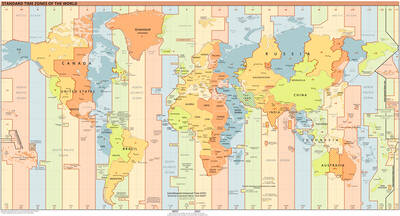
UNNECESSARY?: While some said that the switch would mean more sunlight exposure for workers, others said the government should promote flexible working hours instead An online debate has resurfaced on whether Taiwan should switch to the same time zone as Japan, with supporters citing its geographic location and saying that China would have no right to object. The debate erupted on Threads when users suggested that Taiwan should stop using the same time zone as China, Malaysia and Singapore, GMT+8, and instead switch one hour ahead to the same time zone as Japan and South Korea, GMT+9, which it is geographically closer to. Under GMT+9 the sun would set later year-round, meaning that people would see sunlight after getting off work even in the winter and
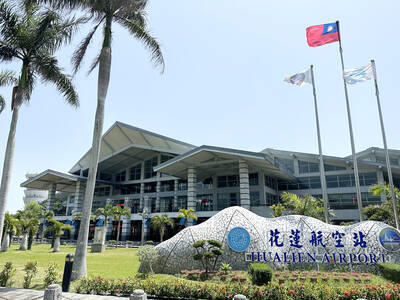
The Civil Aviation Administration (CAA) yesterday confirmed that Uni Air has submitted an application to suspend its Taipei-Hualien flights due to persistently low passenger rates. The airline, which is the only operator of the Taipei-Hualien route, proposed to suspend the service after Mandarin Airlines, another domestic flight carrier, applied to suspend flights to Hualien departing from Kaohsiung and Taichung earlier this year. The average load factor of the Taipei-Hualien flights during the first six months was 24.2 percent, CAA data showed. The average seat occupancy rate dropped even further to 17 percent last month, even though it was the beginning

Philippine President Ferdinand Marcos Jr today said that the Philippines would not allow any attacks from its territory in the event of a conflict in the Taiwan Strait, as it “has no desire to be a belligerent nation in the region.” Marcos later said that his country would continue to follow the “one China” policy while maintaining its existing ties with Taiwan within that framework. The Philippine president made the comments while attending the Foreign Correspondents Association of the Philippines Presidential Luncheon in Manila. He was asked whether he would allow the US military to launch an attack from Philippine bases in the


 RSS
RSS