

The FDA yesterday cautioned the public about the three common bacterial causes of foodborne illnesses in the summer: Salmonella, Bacillus cereus and Staphylococcus aureus.
The warning followed global observance of World Food Safety Day on Sunday.
The global theme of this year’s World Food Safety Day is “from burden to solutions — safe food everywhere,” aiming to shift the global focus toward utilizing rigorous scientific data and evidence-based tracking to assess risks, and transfer them into actionable solutions, the FDA said.

Photo: Chung Li-hua, Taipei Times
Statistics gathered from 2023 to last year show that the peak season for norovirus activity is between November and April the following year, and bivalve mollusks (such as clams, oysters, mussels and scallops) and salads are more susceptible to contamination, FDA official Lin Lan-yu (林蘭砡) said.
As alcohol-based hand sanitizer is ineffective against norovirus, people should practice good personal hygiene by washing their hands frequently with soap to prevent infection, she said.
Salmonella, Bacillus cereus and Staphylococcus aureus are three common bacterial causes of food poisoning between March and August, Lin said.
Salmonella infection is usually caused by eating raw or undercooked eggs, poultry and meat, she said.
Bacillus cereus food poisoning is most commonly associated with cooked rice or other high-carbohydrate and starchy foods left at room temperature for too long after cooking, while staphylococcal food poisoning is usually associated with sandwiches, cream-filled pastries, boxed meals or ready-to-eat foods, she said.
They can be prevented by cooking eggs and meat thoroughly, separating utensils for raw and cooked food to avoid cross-contamination, avoiding leaving cooked food in room temperature for too long, and food handlers practicing good personal hygiene, such as washing hands thoroughly and wearing gloves if they have wounds on their hands, Lin said.
Food poisoning caused by Vibrio parahaemolyticus is more often associated with eating contaminated seafood, she said.
The FDA recommends following “five dos and two don’ts” to increase safety when preparing food.
“Do” wash hands thoroughly after using the toilet and before preparing food or eating meals; use fresh food ingredients and clean water; separate raw and cooked foods; thoroughly cook food; and keep food ingredients at proper temperatures, it said.
“Do not” drink water from rivers, streams and lakes without boiling it first, or eat any unknown plants picked in the wild or animals, it said.

The donation of offshore patrol vessel Kinmen to the Philippines includes provisions that protect Taiwanese fishers and facilitate security cooperation across the First Island Chain, officials said yesterday. The comment was made during the Cabinet’s comprehensive administrative report at the legislature after Chinese Nationalist Party (KMT) Legislator Hsu Yu-chen (許宇甄) expressed concerns about the decision to give a ship to a country whose coast guard had in 2013 fired on a Taiwanese trawler and killed its captain without provocation. The Cabinet should lay out the safeguards that have been established to prevent the Philippine government from using the Kinmen to harass, expel
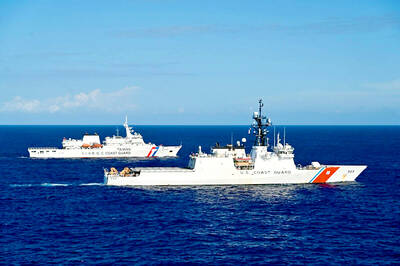
GROWING TIES: The CGA is planning a goodwill mission to the Philippines, in what would be the first time since 1975 a Taiwanese paramilitary vessel has visited the country The Coast Guard Administration (CGA) plans to significantly expand its participation in international security cooperative frameworks and its operational capabilities, a budget proposal for next year showed. The budget indicates a transformation of the CGA from a maritime law enforcement arm into a national defense and intelligence gathering entity capable of tackling larger regional security matters. The proposal showed that personnel from the coast guard’s Intelligence Division and Special Action Support Center are to participate in high-level national security talks with the US. As the CGA has dealt with China’s rising “gray zone” threats around Taiwan, it has become a valuable asset to
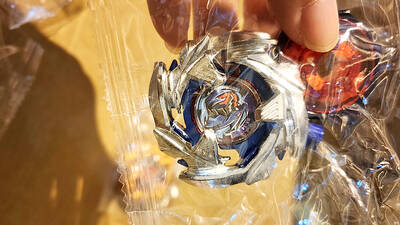
The National Police Agency’s Third Special Police Corps yesterday said that from May to July, it intercepted five smuggling operations from China, seizing more than 70,000 counterfeit Beyblades with an estimated infringement value of NT$34.45 million (US$1.08 million). It added that any bootleg unit that reached the local market could present hidden health hazards to players. Beyblades, a line of spinning toy tops used in competitive gaming and developed in Japan by toy company Takara Tomy, have become popular in Taiwan, making them a target for fraudsters. The Third Special Police Corps, dedicated to safeguarding maritime borders and trade lines,
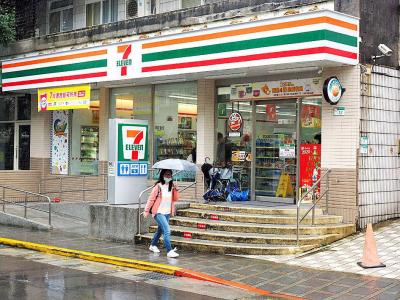
Five customers who made purchases at 7-Eleven stores across Taiwan won the top NT$10 million (US$313,716) special prize in the July-August uniform invoice lottery, including one who spent just NT$27 on photocopying, the convenience store chain said today. The five special prize winners made their purchases at stores in Taoyuan, Taipei, Taichung and Kaohsiung, 7-Eleven operator President Chain Store Corp said. The five winning purchases included NT$29 spent on snacks at a store in Taoyuan's Zhongli District (中壢), NT$27 on photocopying at a store in Taipei's Zhongzheng District (中正), NT$139 on City Cafe coffee and daily necessities at a store in Taipei's


 RSS