


Taiwan’s naval goodwill fleet, which departed the Marshall Islands last month, passed through the Panama Canal on its way to another diplomatic ally in the region, footage from the Panama Canal Authority showed.
The fleet — consisting of the navy’s fast combat support ship Panshi, Cheng Kung-class guided-missile frigate Yueh Fei, and Kang Ding-class guided-missile frigate Di Hua — transited the canal, which connects the Caribbean Sea and the Pacific Ocean, about midnight on Saturday, the footage showed.
The fleet, officially designated the 2026 Midshipmen and Cruising Training Squadron (MCTS) of the Republic of China Navy, is led by Rear Admiral Chen Ming-feng (陳明峯).
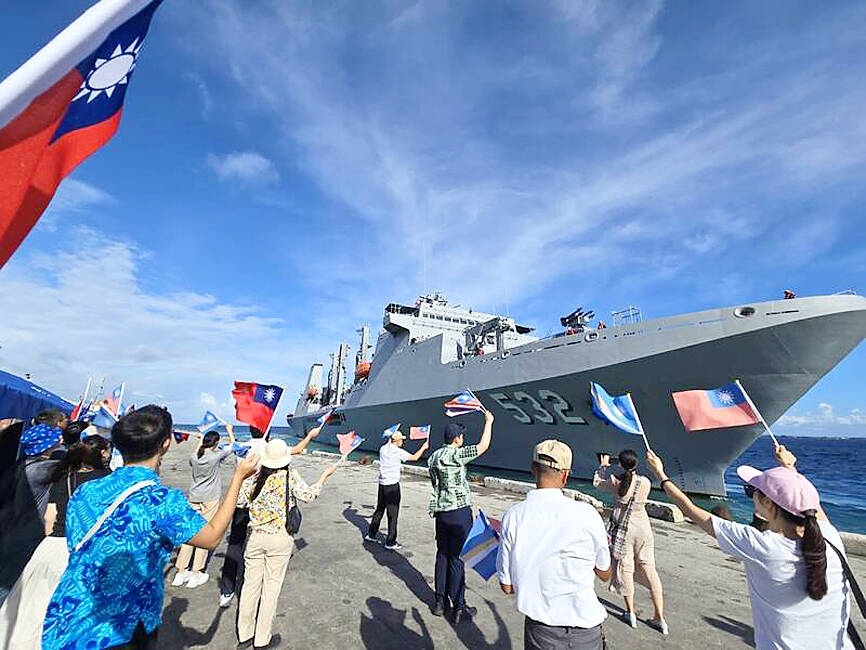
Photo: Screen grab from the Facebook page of the Embassy of the ROC, Majuro, Republic of the Marshall Islands
It departed Taiwan in late February for its annual training voyage. The mission typically includes visits to Taiwan’s diplomatic allies in the Caribbean and Latin America.
The military does not publicize the fleet’s scheduled stops, but the Chinese-language United Daily News reported that the fleet is believed to be heading to Belize.
On March 13, Taiwan’s embassy in the Marshall Islands announced that the fleet had concluded a three-day port call from March 10 to 12 and was en route to its next destination.
The trip marks the fleet’s 20th visit to the Marshall Islands, which was selected as the first port of call for this year’s training voyage, symbolizing the close and enduring friendship between the two nations, it said.
During the visit, Chen and senior officers paid courtesy calls to Marshall Islands President Hilda Heine, Speaker of the Nitijela Brenson Wase and Majuro Atoll Acting Mayor Jina David.
In addition to opening the Panshi to the public, the fleet also held a baseball equipment donation ceremony with the local community, an embassy statement said.
According to the Ministry of National Defense’s budget proposal for fiscal year 2026, the goodwill fleet mission is scheduled to last 112 days and includes 840 naval cadets.
The annual mission aims to promote Taiwan’s diplomacy, demonstrate its military capability and engage with overseas Taiwanese communities, it said.
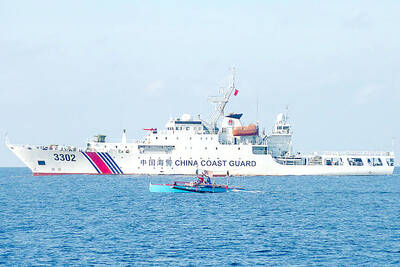
EXPANSIONIST: China deploys an average of 40 to 50 warships and coast guard vessels daily in the South China Sea, despite pledges not to militarize the region, an official said China is attempting to expand its influence across the First Island Chain and increase pressure on Japan by sending coast guard vessels into waters off of Taiwan under the pretext of maritime negotiations with Japan and the Philippines, a national security official said yesterday. China’s recent actions in the waters east of Taiwan and Japan and the Philippines’ exclusive economic zones (EEZ) are attempts to establish dominance in First Island Chain waters, said the official who declined to be named, adding that this is “expansion disguised as law enforcement.” Framing China’s actions solely as a cross-strait issue is a serious misjudgment that
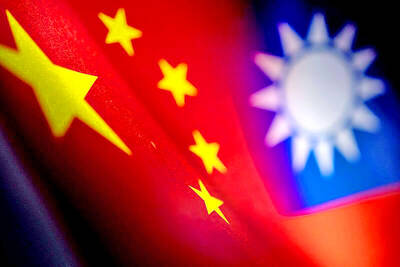
BAIT AND SWITCH: Allowing KMT-run counties to sell to China while the threat of abrupt cancelations hangs overhead is another form of coercion, officials said Beijing is using agricultural purchase offers announced during the Straits Forum to deepen Taiwan’s dependence on the Chinese market, a Taiwanese official said yesterday as they criticized the Taitung County commissioner’s participation in the initiative. During the Straits Forum held in Xiamen on Saturday, Chinese officials announced a sales and purchase agreement for agricultural products from some counties led by the Chinese Nationalist Party (KMT). Taitung County Commissioner Yao Ching-ling (饒慶鈴), who was barred from attending the event in person by the Mainland Affairs Council, participated via video. Under the agreement, China would purchase atemoyas, pomeloes, tea and grouper harvested in Taitung,
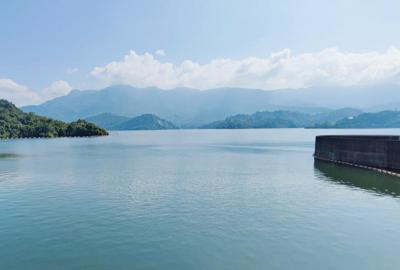
Several major reservoirs are estimated to have received 590 million tonnes of water inflow from June 4 to this morning, with storage levels at Wushantou Reservoir exceeding 50 percent and Zengwen Reservoir approaching 30 percent as of 9am today, data from the Water Resources Agency showed. Of the estimated 590 million tonnes, 450 million have already been stored in reservoirs, the data showed. As of 9am today, Baoshan Reservoir storage levels reached 100 percent, while Baoshan Second Reservoir, Yongheshan Reservoir and Techi Reservoir all exceeded 90 percent, data on the Water Resources Agency’s Web site showed. In addition, the Shimen Reservoir is at
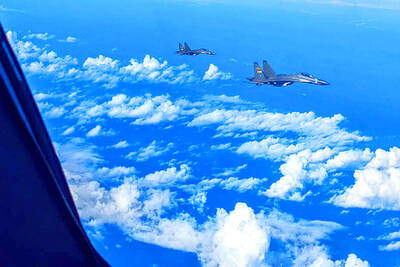
SHIFTING FIRE: While the tempo of purely military exercises around Taiwan has gone down somewhat, Beijing is working to isolate Lai diplomatically from support abroad Chinese President Xi Jinping (習近平) is shifting tactics in his campaign to pressure Taiwan, ramping up diplomatic isolation of the nation while dialing down provocative displays of military aggression. Taiwan recorded a daily average of five Chinese military aircraft crossing the Taiwan Strait’s buffer line with China through May this year — half the number logged in the same period last year. In March, Beijing did not send a single fighter jet near Taiwan for seven days, the longest absence on record outside of typhoon season. In comparison, China sent 153 planes near Taiwan during one day at its peak in


 RSS
RSS