


The Port of Kaohsiung and the Port of Subic Bay in the Philippines officially signed a sister-port agreement yesterday, marking an expansion of maritime cooperation between Taiwan and Southeast Asia.
The signing ceremony was held during the 14th anniversary celebration of Taiwan International Ports Corp (TIPC) at the Port of Kaohsiung Cruise Terminal and drew more than 200 participants, including senior officials and industry representatives.
In addition to aligning with Taiwan’s New Southbound Policy, the Port of Kaohsiung and the Port of Subic Bay will deepen cooperation in port operations, port-area security management, digital and information security, and personnel exchanges, strengthening Kaohsiung Port’s role as a key gateway in the Asia-Pacific shipping network, according to TIPC.
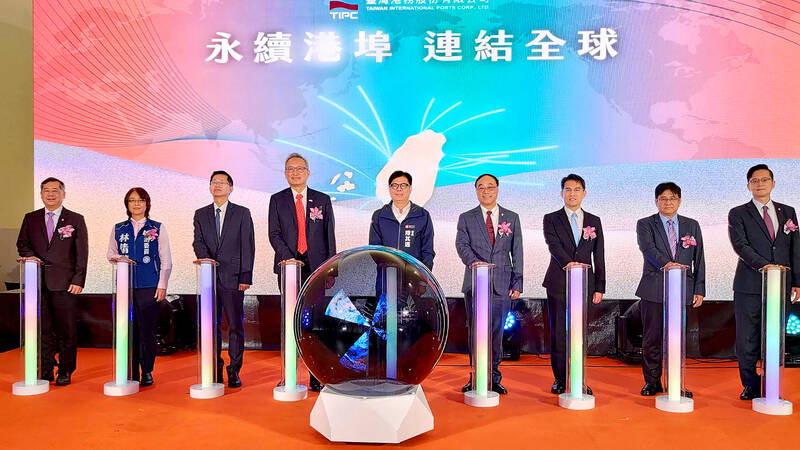
Photo: CNA
Kaohsiung Mayor Chen Chi-mai (陳其邁) said the development of the Port of Kaohsiung is closely linked to the city’s growth. In the face of rapid global changes, he said, the city government and the port operator have continued to move forward together toward shared goals.
Chen added that the city government will continue working with the port on digital transformation and sustainable development to create the best possible prospects for Kaohsiung Port’s future.
TIPC Chairman Chou Yung-hui (周永暉) said the company recorded operating revenue of NT$23.53 billion (US$750.69 million) last year.
Among its operations, Chou said international cruise calls totaled 567 last year, up 37 percent from a year earlier, while passenger numbers reached 1.1567 million, reflecting strong growth.
Looking ahead, Chou said the company will continue to strengthen port infrastructure and service capacity, while improving cruise services, and leveraging digital and sustainable innovations to upgrade both hardware and software, supporting growth in the shipping sector and the tourism economy.
Separately, TIPC’s Taichung Branch signed a contract with Taiwan Power Co. for the construction of natural gas pipelines and related facilities in the southern waters of Taichung Port.
The project is expected to handle annual natural gas transport volumes of up to 2.3 million metric tons, highlighting the port operator’s role in supporting Taiwan’s critical infrastructure and national energy security, the company said.
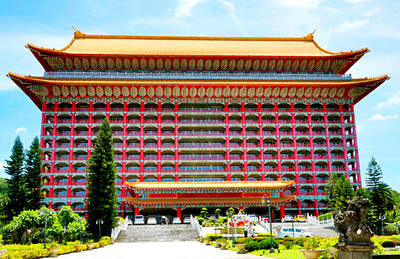
The Grand Hotel Taipei on Saturday confirmed that its information system had been illegally accessed and expressed its deepest apologies for the concern it has caused its customers, adding that the issue is being investigated by the Ministry of Justice Investigation Bureau. The hotel said that on Tuesday last week, it had discovered an external illegal intrusion into its information system. An initial digital forensic investigation confirmed that parts of the system had been accessed, it said, adding that the possibility that some customer data were stolen and leaked could not be ruled out. The actual scope and content of the affected data

DO THEY BITE IT? Cats have better memories than people might think, but their motivation is based entirely around the chance of getting fed Cats can remember the identity of the people who fed them the day before, Taipei-based veterinarians said on Friday, debunking a popular myth that cats have a short memory. If a stray does not recognize the person who fed them the previous day, it is likely because they are not carrying food and the cat has no reason to recognize them, said Wu Chou Animal Hospital head Chen Chen-huan (陳震寰). “When cats come to a human bearing food, it is coming for the food, not the person,” he said. “The food is the key.” Since the cat’s attention is on the food, it
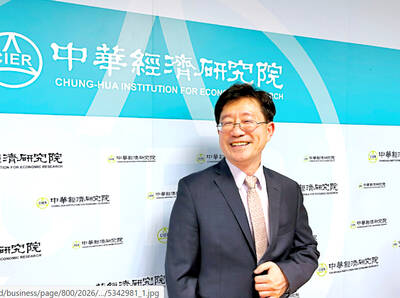
Taiwan must act to preempt potential Section 301 investigations as US President Donald Trump moves to a new tariff strategy, following a US Supreme Court ruling that voided tariff measures, an academic said yesterday. Countries running the largest trade surpluses with the US face a growing likelihood of Section 301 investigations, Chung-Hua Institution for Economic Research president Lien Hsien-ming (連賢明) said. Section 301 refers to a provision of the Trade Act of 1974 that allows Washington to impose retaliatory tariffs over perceived unfair trade practices, including the running of large trade surpluses. Because Taiwan has become the fourth-largest source of the US’ trade
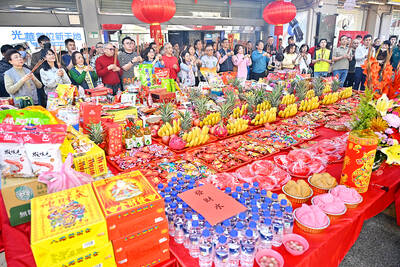
People hold incense and pray with offerings in front of Taipei’s Kuanghwa Market yesterday. The fifth day of the Lunar New Year is traditionally about welcoming the God of Wealth, during which companies and shops set off firecrackers to celebrate their reopening and pray for good business in the new year.


 RSS
RSS