


As Taiwan is experiencing waves of cold snaps, physicians have shared health risks brought about by lower temperatures and protective measures the public could take.
One Peace of Mind Urology Clinic director Lu Chin-heng (呂謹亨) on Facebook wrote that urinary issues, such as frequent urination, nocturia (waking up during the night to urinate) or urinary retention due to benign prostatic hyperplasia (BPH), increase during cold days.
Low temperatures trigger “cold-induced diuresis,” increasing the frequency of urination, he said.
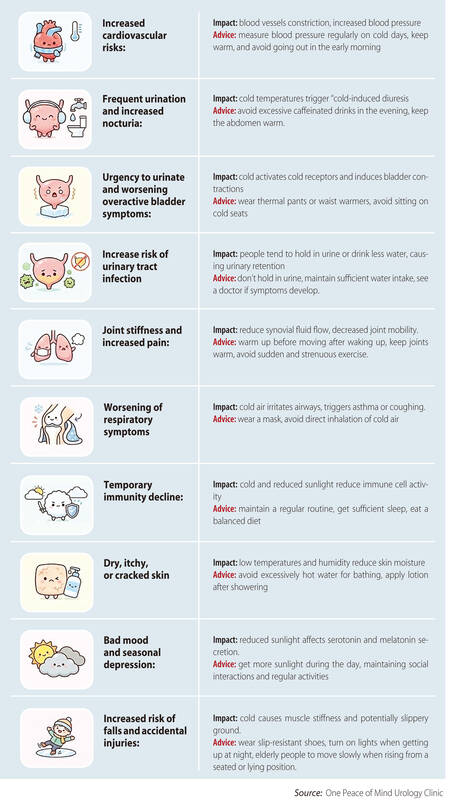
Photo courtesy of the One Peace of Mind Urology Clinic
Lu advised people not to reduce their water intake, and instead avoid consuming excessive caffeinated drinks in the evening, and keep their abdomen and lower body warm, adding that those with BPH or existing urinary issues should seek medical treatment.
When cold receptors are activated, muscles around the bladder contract, he said, suggesting that people wear thermal pants or waist warmers, avoid sitting on cold seats for long periods and urinate more frequently.
There is also an increased risk of urinary tract infection, as people tend to hold in their urine or drink less water on cold days, which could lead to an infection, Lu said.
Do not hold in urine, maintain consistent water intake and see a doctor immediately if you experience pain or a burning sensation during urination, he said.
Low temperatures also reduce the flow of synovial fluid, decreasing joint mobility, which could lead to joint stiffness and increased pain, Lu said.
He suggested that people warm up their body before moving after they wake up, keep their joints warm, and avoid sudden or strenuous exercise.
The cold air irritates the airways, so it could worsen respiratory issues or trigger asthma, chronic bronchitis or coughing, Lu said, encouraging people to wear masks when going outside to avoid inhaling cold air directly and to use their prescribed medications according to the doctor’s instructions.
He also warned of rising blood pressure and increased cardiovascular risks, such as heart attacks or strokes, as low temperatures cause blood vessels to constrict.
People should monitor their blood pressure regularly, and those with cardiovascular conditions should avoid going out in the early morning, Lu said, adding that they should look out for warning signs of cardiovascular events, such as dizziness or chest tightness.
Low temperatures could also lead to temporary immunity decline, and reduced sunlight could affect the activity of immune cells, he said, encouraging people to maintain a regular routine, get sufficient sleep and eat a balanced diet with enough protein.
Those with chronic illnesses should take extra preventive measures against infections, he added.
People could also experience seasonal depression, as less sunlight would affect serotonin and melatonin secretion, so they should get more sunlight during the day, maintain social interactions and regular activities, and seek professional help if they are the feeling persists for more than two weeks, Lu said.
Staying warm, drinking sufficient water, not holding in urine and moving slowly are important health guidelines for cold days, he added.
Tri-Service General Hospital cardiology director Tsai Tsung-neng (蔡宗能) said low temperatures increase the risks of fatal cardiovascular conditions, including heart attacks and cardiogenic shock.
Low temperatures cause blood vessels to constrict and blood viscosity to increase, so the risk of cardiovascular events rises, he said.
Every 1°C drop in temperature increases the incidence of cardiovascular disease by 1.2 percent and mortality rate by 1.6 percent, he said, citing research findings.
The in-hospital mortality rate rises with the delay of mechanical circulatory support or interventional treatment, he added.
Tri-Service General Hospital Cardiovascular Surgery Division director Ke Hung-yen (柯宏彥) said patients with end-stage heart failure or severe heart disease are inherently high-risk groups for cardiogenic shock, and advised them to seek early evaluations for implanting a left ventricular assist device, to maintain organ function and preserve future quality of life.
Medical Affairs Bureau Director-General Tsai Chien-sung (蔡建松) said cardiogenic shock is one of the most time-sensitive critical conditions, and that self-awareness and the speed of medical response are matters of life and death.
He advised people to maintain healthy lifestyles and stay alert to warning signs of potential heart failure, such as difficulty breathing, swelling of lower limbs and general weakness.
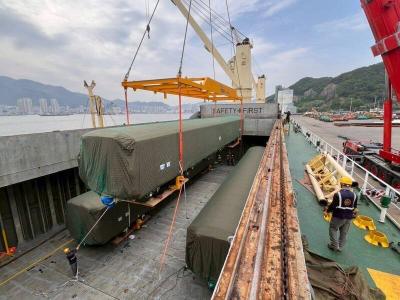
The first of 10 new high-capacity trains purchased from South Korea’s Hyundai Rotem arrived at the Port of Taipei yesterday to meet the demands of an expanding metro network, Taipei Rapid Transit Corp (TRTC) said yesterday. The train completed a three-day, 1,200km voyage from the Port of Masan in South Korea, the company said. Costing NT$590 million (US$18.79 million) each, the new six-carriage trains feature a redesigned interior based on "human-centric" transportation concepts, TRTC said. The design utilizes continuous longitudinal seating to widen the aisles and optimize passenger flow, while also upgrading passenger information displays and driving control systems for a more comfortable
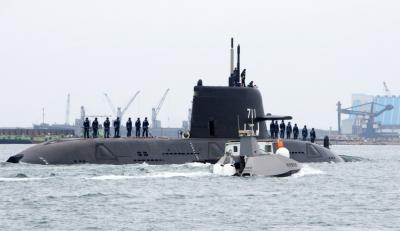
Taiwan's first indigenous defense submarine, the SS-711 Hai Kun (海鯤, or Narwhal), departed for its 13th sea trial at 7am today, marking its seventh submerged test, with delivery to the navy scheduled for July. The outing also marked its first sea deployment since President William Lai (賴清德) boarded the submarine for an inspection on March 19, drawing a crowd of military enthusiasts who gathered to show support. The submarine this morning departed port accompanied by CSBC Corp’s Endeavor Manta (奮進魔鬼魚號) uncrewed surface vessel and a navy M109 assault boat. Amid public interest in key milestones such as torpedo-launching operations and overnight submerged trials,
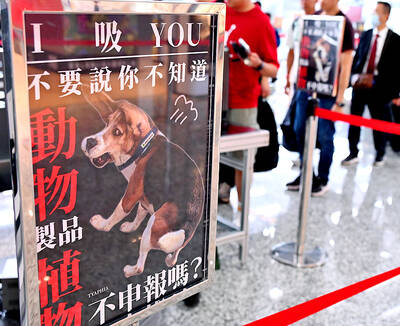
Quarantine awareness posters at Taiwan Taoyuan International Airport have gone viral for their use of wordplay. Issued by the airport branch of the Animal and Plant Health Inspection Agency, the posters feature sniffer dogs making a range of facial expressions, paired with advisory messages built around homophones. “We update the messages for holidays and campaign needs, periodically refreshing materials to attract people’s attention,” quarantine officials said. “The aim is to use the dogs’ appeal to draw focus to quarantine regulations.” A Japanese traveler visiting Taiwan has posted a photo on X of a poster showing a quarantine dog with a
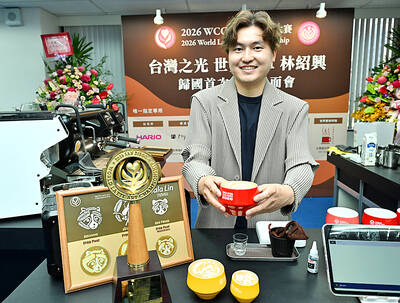
Taiwan’s coffee community has launched a “one-person-one-e-mail” campaign, calling for people to send a protest-e-mail to the World Coffee Championships (WCC) urging it to redesignate Taiwanese competitors as from “Taiwan,” rather than “Chinese Taipei.” The call followed sudden action last week after the WCC changed all references to Taiwanese competitors from “Taiwan” to “Chinese Taipei,” including recent World Latte Art champion Bala (林紹興), who won the World Latte Art Championship in San Diego earlier this month. When Bala received the trophy, he was referred to as representing Taiwan, as well as in the announcement on the WCC’s Web site, until it


 RSS
RSS