


A batch of squid imported from Hokkaido, Japan, was found to contain excessive levels of cadmium, the Food and Drug Administration (FDA) said yesterday, as it reported five types of food imports that failed border inspections.
The batch of squid contained 2mg/kg of the heavy metal, FDA Deputy Director-General Lin Chin-fu (林金富) said.
The maximum allowable limit of cadmium detected in cephalopods (not including internal organs) is 1mg/kg, so the 0.29kg of imported squid would be returned or destroyed, Lin said.
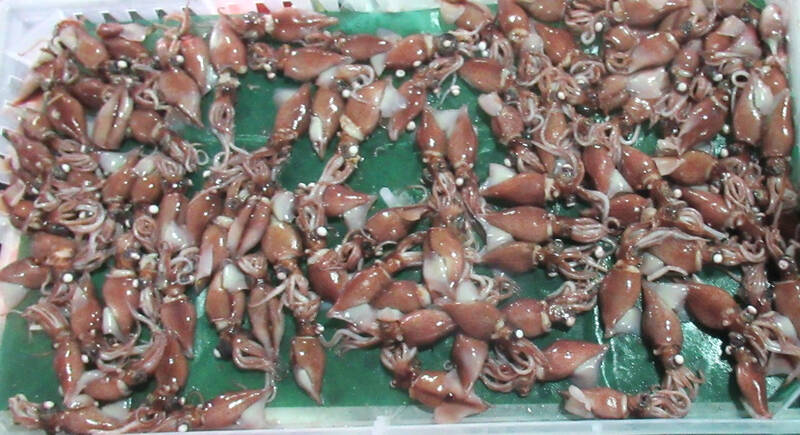
Photo courtesy of the Food and Drug Administration
Squid are known to bioaccumulate metals, as they feed on small fish, crustaceans and plankton, he said.
The importer, Gogo Foods Taiwan Co (博多食品), had purchased three batches of squid from Japan this year, and only this batch failed the inspection, he said.
Inspections of Gogo’s food imports would be raised from “regular randomly selected batch inspection” (2 to 10 percent) to “reinforced randomly selected batch inspection” (20 to 50 percent).
A total of 243 batches of squid had been imported from Japan in the past six months, and only two failed border inspection, which is relatively low, so the general inspection rate would not be increased, the FDA said.
Meanwhile, a batch of dried jackfruit and a batch of dried longan sold under the brand name Seed and imported from Thailand by Cowisdom International Investment Ltd (眾智國際投資) were found to contain the bleaching agent sulfur dioxide at 0.94g/kg and 1.4g/kg respectively, exceeding the allowable limit of 0.5 g/kg.
The FDA would also increase the inspection rate for Cowisdom to 20 to 50 percent.
Moreover, a batch of mixed spices from Malaysia was found to contain the pesticide profenofos that exceeded the allowable limits, and a batch of fresh asparagus imported from Vietnam contained the pesticides indoxacarb and tebufenozide, both of which exceeded permissible limits, FDA data showed.
The five imported food products have not entered the local market and would be returned or destroyed, it said.
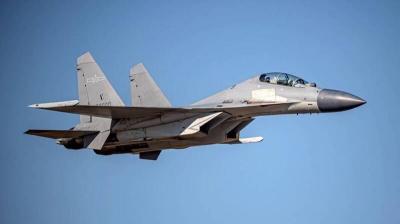
Eight Chinese naval vessels and 24 military aircraft were detected crossing the median line of the Taiwan Strait between 6am yesterday and 6am today, the Ministry of National Defense said this morning. The aircraft entered Taiwan’s northern, central, southwestern and eastern air defense identification zones, the ministry said. The armed forces responded with mission aircraft, naval vessels and shore-based missile systems to closely monitor the situation, it added. Eight naval vessels, one official ship and 36 aircraft sorties were spotted in total, the ministry said.
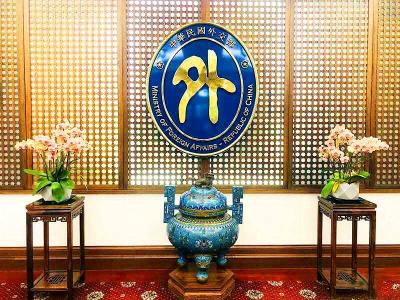
The Ministry of Foreign Affairs (MOFA) today said that if South Korea does not reply appropriately to its request to correct Taiwan’s name on its e-Arrival card system before March 31, it would take corresponding measures to alter how South Korea is labeled on the online Taiwan Arrival Card system. South Korea’s e-Arrival card system lists Taiwan as “China (Taiwan)” in the “point of departure” and “next destination” fields. The ministry said that it changed the nationality for South Koreans on Taiwan’s Alien Resident Certificates from “Korea” to “South Korea” on March 1, in a gesture of goodwill and based on the

Taiwanese officials were shown the first of 66 F-16V fighter jets purchased by Taiwan from the United States, the Ministry of National Defense said yesterday, adding the aircraft has completed an initial flight test and is expected to be delivered later this year. A delegation led by Deputy Minister of National Defense Hsu Szu-chien (徐斯儉) visited Lockheed Martin’s F-16 C/D Block 70 (also known as F-16V) assembly line in South Carolina on March 16 to view the aircraft. The jet will undergo a final acceptance flight in the US before being delivered to Taiwan, the
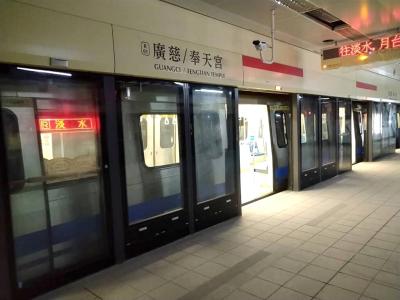
The New Taipei Metro's Sanyin Line and the eastern extension of the Taipei Metro's Tamsui-Xinyi Line (Red Line) are scheduled to begin operations in June, the National Development Council said today. The Red Line, which terminates at Xiangshan Station, would be connected by the 1.4km extension to a new eastern terminal, Guangci/Fengtian Temple Station, while the Sanyin Line would link New Taipei City's Tucheng and Yingge stations via Sanxia District (三峽). The council gave the updates at a council meeting reviewing progress on public construction projects for this year. Taiwan's annual public infrastructure budget would remain at NT$800 billion (US$25.08 billion), with NT$97.3


 RSS
RSS