


Liu Yen-li (劉彥澧), head of the Taichung Research, Development and Evaluation Commission, resigned last night over controversy that he took a day off of work to play in a Texas hold’em tournament.
Taichung Mayor Lu Shiow-yen (盧秀燕) this morning said that she respects Liu’s decision and accepted his resignation.
A photograph of Liu playing cards at the tournament was posted on Facebook by political commentator Wen Lan-tung (溫朗東), garnering more than 800 comments in less than 24 hours.
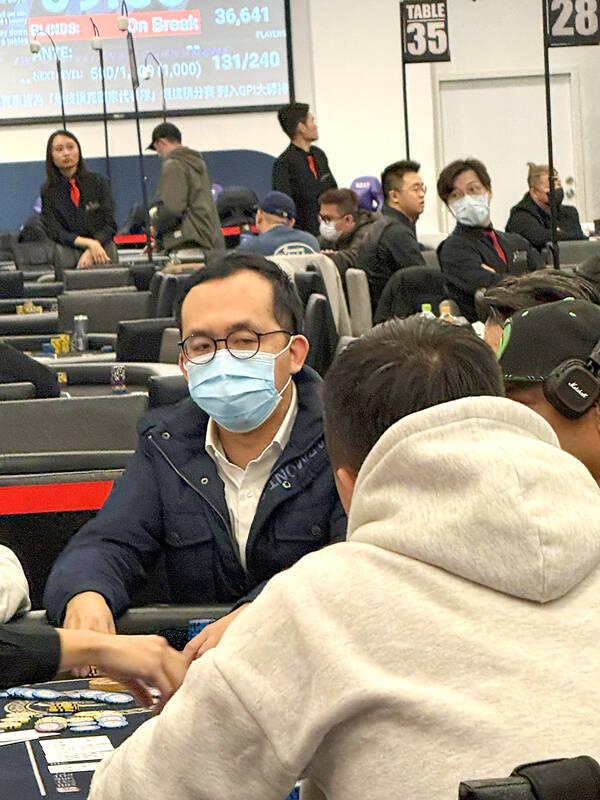
Photo from Wen Lan-tung’s Facebook page
In the post, Wen said that "many Texas hold'em venues are run by gangs and scammers."
Liu told reporters that he asked for leave according to the city government’s regulations to attend the “legal, formal competition championship” held last month.
The tournament involved "more than a thousand players" and was organized by the Chinese Texas Hold'em Poker Club, Liu said, adding that although there was a registration fee and cash prizes, it did not constitute illegal gambling under Taiwanese law.
He has participated in similar tournaments more than 10 times on his days off, Liu said.
Due to his public position, he would consider not participating in similar events in the future, he said.
The Democratic Progressive Party Taichung City Council caucus questioned whether the game was more important to Liu than city governance and suggested that he resign.
After due consideration, Liu decided to resign due to public opinion about his participation in the competition and so his actions would not affect the city government, he said.
The Taichung City Government has always held itself to high standards, the mayor said.
Liu showed responsibility for his actions and firmly submitted his resignation, Lu said, adding that she respects his decision.
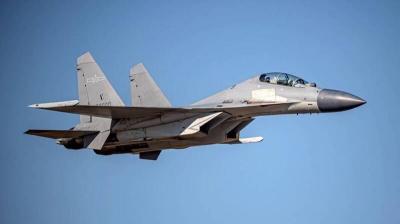
Eight Chinese naval vessels and 24 military aircraft were detected crossing the median line of the Taiwan Strait between 6am yesterday and 6am today, the Ministry of National Defense said this morning. The aircraft entered Taiwan’s northern, central, southwestern and eastern air defense identification zones, the ministry said. The armed forces responded with mission aircraft, naval vessels and shore-based missile systems to closely monitor the situation, it added. Eight naval vessels, one official ship and 36 aircraft sorties were spotted in total, the ministry said.
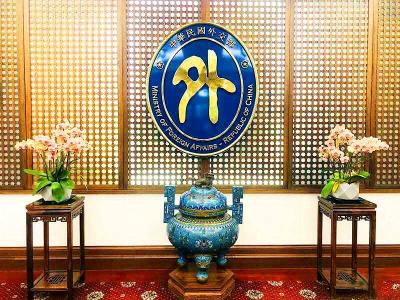
The Ministry of Foreign Affairs (MOFA) today said that if South Korea does not reply appropriately to its request to correct Taiwan’s name on its e-Arrival card system before March 31, it would take corresponding measures to alter how South Korea is labeled on the online Taiwan Arrival Card system. South Korea’s e-Arrival card system lists Taiwan as “China (Taiwan)” in the “point of departure” and “next destination” fields. The ministry said that it changed the nationality for South Koreans on Taiwan’s Alien Resident Certificates from “Korea” to “South Korea” on March 1, in a gesture of goodwill and based on the

Taiwanese officials were shown the first of 66 F-16V fighter jets purchased by Taiwan from the United States, the Ministry of National Defense said yesterday, adding the aircraft has completed an initial flight test and is expected to be delivered later this year. A delegation led by Deputy Minister of National Defense Hsu Szu-chien (徐斯儉) visited Lockheed Martin’s F-16 C/D Block 70 (also known as F-16V) assembly line in South Carolina on March 16 to view the aircraft. The jet will undergo a final acceptance flight in the US before being delivered to Taiwan, the
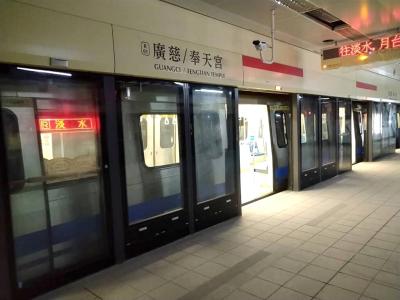
The New Taipei Metro's Sanyin Line and the eastern extension of the Taipei Metro's Tamsui-Xinyi Line (Red Line) are scheduled to begin operations in June, the National Development Council said today. The Red Line, which terminates at Xiangshan Station, would be connected by the 1.4km extension to a new eastern terminal, Guangci/Fengtian Temple Station, while the Sanyin Line would link New Taipei City's Tucheng and Yingge stations via Sanxia District (三峽). The council gave the updates at a council meeting reviewing progress on public construction projects for this year. Taiwan's annual public infrastructure budget would remain at NT$800 billion (US$25.08 billion), with NT$97.3


 RSS
RSS