

Former media personality Chu Mei-feng (璩美鳳) yesterday accused Taiwan People’s Party (TPP) Chairman Ko Wen-je (柯文哲) of sexually harassing her in 2022.
Chu made the remarks after a report by Chinese-language Mirror Media magazine yesterday said Chu met with Ko on Oct. 5, 2022, for a meeting during which Ko allegedly suddenly reached out to touch her arm.
The report said that when she was leaving, Ko repeatedly told Chu that one should not be so pretty and called her a “temptress.”
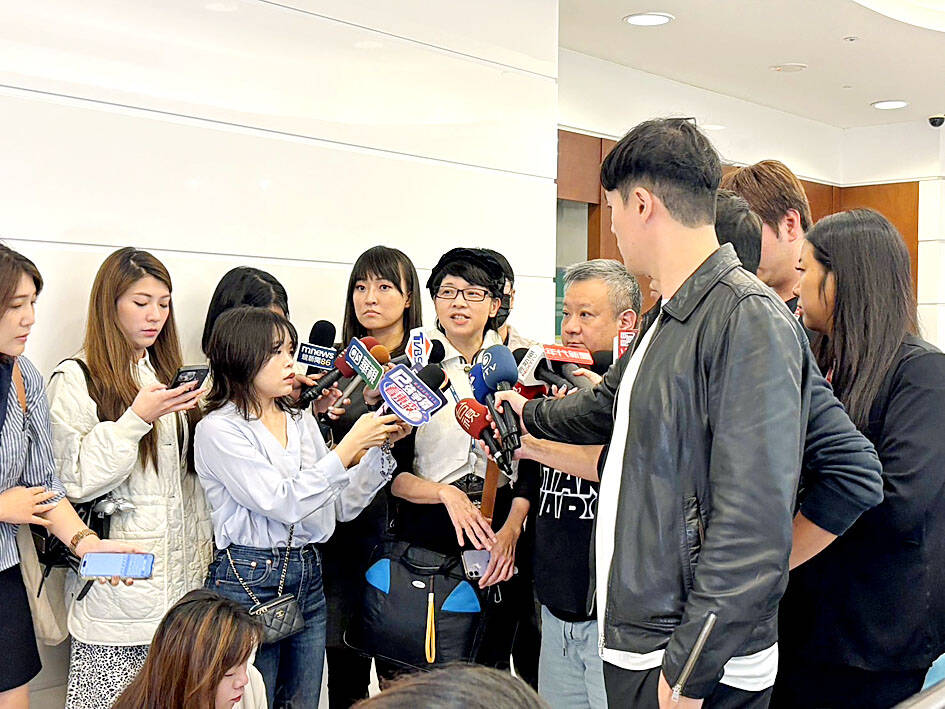
Photo: CNA
Ko allegedly later texted Chu and said he would hire her as the National Security Council deputy secretary-general, the report said.
Chu later spoke to the media alongside Yogi Hsuan (宣昶有), the son of United Microelectronics Corp honorary deputy chairman John Hsuan (宣明智), and showed screenshots of the alleged messages to the media.
Yogi Hsuan said he was at the meeting and was shocked to see Ko’s behavior.
TPP spokeswoman Wu Yi-hsuan (吳怡萱) said the TPP could not verify the accuracy of the magazine report and Chu’s allegation, as Ko is detained and barred from accepting visitors.
The TPP supports Chu’s right to take the issue to court, Wu said, adding that the party believed that both sides of the story should be heard.
Wu also referred to another article by the magazine describing reports of Ko having close interaction with his female aide as far-fetched, condemning the magazine for publishing “rumors and hearsay,” sexualizing the incident and misleading the public.
A total of 400 foreign “high- level” professionals have been naturalized as Republic of China (Taiwan) citizens over the past decade as the government has eased nationality rules to attract talent from a wider range of fields, the Ministry of the Interior said yesterday. The 400th high-level professional, who works in the electronics industry, was approved for ROC citizenship on Aug. 26, the MOI said. The MOI quoted the newly naturalized citizen as saying that Taiwan is a leader in fields such as semiconductors, electronics manufacturing, artificial intelligence development and energy technology. He also said
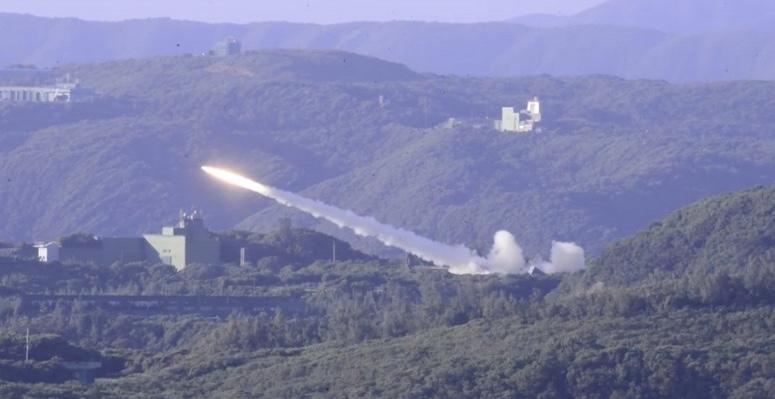
A Chinese military drone was spotted conducting reconnaissance off Taitung County as President William Lai (賴清德) visited Pingtung County this morning to inspect a drill of the armed forces’ precision-strike capabilities, prompting the military to closely monitor its actions. Today was the final day of a three-day military exercise at Jioupeng Base (九鵬基地) to test the joint combat capabilities of the armed forces and coast guard. The exercise began on Wednesday simulating air defense interception and yesterday tested long-range strike capabilities and new air defense weapons. This morning, the military conducted a final exercise involving air defense, anti-ship and drone operations. Military sources said

OCT. 31: The antiviral drugs Tamiflu and Eraflu have been distributed to about 4,000 medical facilities nationwide for people in seven groups who develop flu-like symptoms As the domestic influenza epidemic enters its peak season and continues to escalate, the Centers for Disease Control (CDC) yesterday announced that publicly funded influenza antiviral drugs for seven eligible groups have been extended to Oct. 31, allowing those who develop flu-like symptoms to receive the medication without undergoing a rapid influenza test. The CDC has extended the expanded use of flu antiviral drugs to seven groups: healthcare and influenza-prevention personnel; residents and staff at nursing homes, long-term care facilities and similar institutions; kindergarten and daycare workers and home-based caregivers; students from kindergarten through high school, vocational high school and the
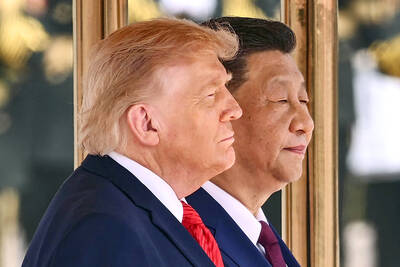
China has warned that it could cancel a planned US-China leaders’ summit if Washington approves new arms sales to Taiwan, a Japanese media outlet quoted sources as saying yesterday. US President Donald Trump, “apparently eager to showcase some diplomatic achievements ahead of November’s midterm congressional elections, places great importance on holding the summit with Chinese President Xi Jinping (習近平),” Japan’s Kyodo News reported. “While preparing for Xi’s upcoming trip, China has restated its position that the Taiwan issue is a ‘red line’ in bilateral relations,” the report said. The report said that when Xi met with Trump in Beijing in May, Xi said


 RSS
RSS