


More than 100 barrels of chemical solutions and used ink found illegally dumped last year near the Feitsui Reservoir (翡翠水庫) in New Taipei City did not pollute the drinking water of 6 million people, the Environmental Protection Administration (EPA) said on Wednesday.
The Taipei Water Management Office in September last year reported the dumping to the EPA, which found 99 barrels of chemical solution (20 liters each), five barrels of used printing ink (125 liters each) and more than 20 bags of waste cloth in the reservoir’s catchment area in Sindian District (新店).
If the toxic chemicals had leaked out of the barrels, the drinking water for New Taipei City and Taipei would have been contaminated, the EPA said.
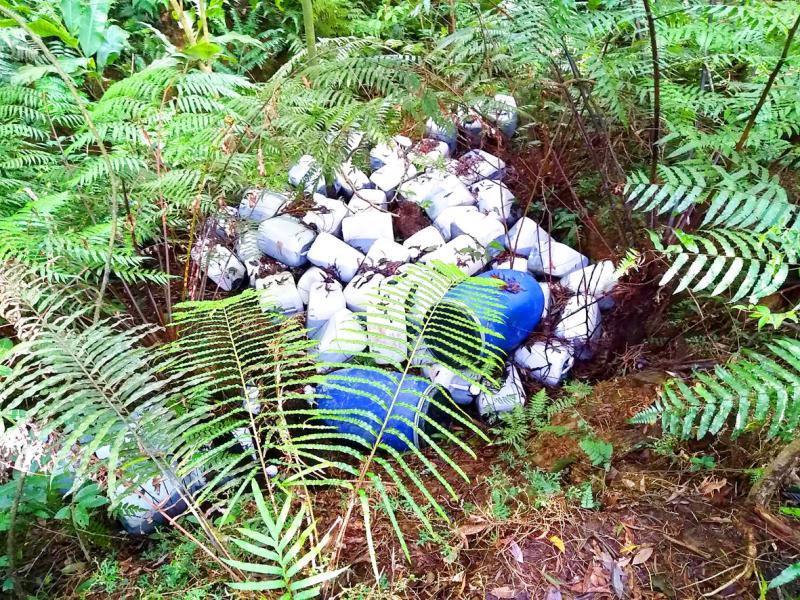
Photo courtesy of the Environmental Protection Administration
The barrels, found 3m from a creek, remained intact, but copper concentration in some barrels was nearly three times higher than legally allowed in hazardous waste, it said.
Excessive intake of copper could cause cirrhosis, kidney failure and other symptoms of poisoning in digestive or central nervous systems, and high levels of copper can also accumulate in oysters and plants, jeopardizing the entire food chain, the EPA said.
The Bureau of Environmental Inspection Northern Branch was able to restore the smeared labels on the barrels, which led them to more than 10 printing operators across New Taipei City, it said.
The printing operators had commissioned an unlicensed waste disposal company based in Tainan, whose manager, surnamed Lin (林), and an accomplice, surnamed Lo (羅), allegedly dumped them near the reservoir without proper treatment, the bureau said.
Thanks to regular patrols by the water management office, the barrels were reported shortly after they were dumped, branch commander Chang Nai-jen (張乃仁) said.
The short grass surrounding the barrels was a sign that they had only been there for a short time, he said, adding that it was fortunate that the barrels were undamaged.
The EPA worked with police and prosecutors for nearly six months to gather evidence, and the two suspects face prosecution. If convicted, they could be sentenced to one to five years in jail or fined up to NT$15 million (US$494,951) under Article 46 of the Waste Disposal Act (廢棄物清理法), he said.
Prosecutors have yet to determine whether to also charge the printing operators, he added.
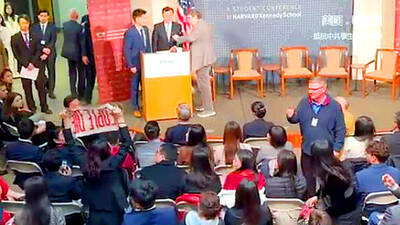
A group of Taiwanese-American and Tibetan-American students at Harvard University on Saturday disrupted Chinese Ambassador to the US Xie Feng’s (謝鋒) speech at the school, accusing him of being responsible for numerous human rights violations. Four students — two Taiwanese Americans and two from Tibet — held up banners inside a conference hall where Xie was delivering a speech at the opening ceremony of the Harvard Kennedy School China Conference 2024. In a video clip provided by the Coalition of Students Resisting the CCP (Chinese Communist Party), Taiwanese-American Cosette Wu (吳亭樺) and Tibetan-American Tsering Yangchen are seen holding banners that together read:

UNAWARE: Many people sit for long hours every day and eat unhealthy foods, putting them at greater risk of developing one of the ‘three highs,’ an expert said More than 30 percent of adults aged 40 or older who underwent a government-funded health exam were unaware they had at least one of the “three highs” — high blood pressure, high blood lipids or high blood sugar, the Health Promotion Administration (HPA) said yesterday. Among adults aged 40 or older who said they did not have any of the “three highs” before taking the health exam, more than 30 percent were found to have at least one of them, Adult Preventive Health Examination Service data from 2022 showed. People with long-term medical conditions such as hypertension or diabetes usually do not
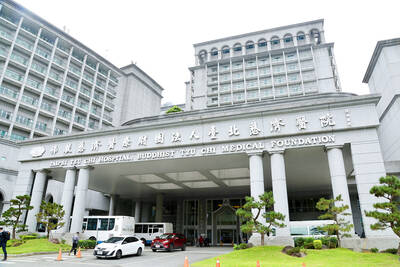
POLICE INVESTIGATING: A man said he quit his job as a nurse at Taipei Tzu Chi Hospital as he had been ‘disgusted’ by the behavior of his colleagues A man yesterday morning wrote online that he had witnessed nurses taking photographs and touching anesthetized patients inappropriately in Taipei Tzu Chi Hospital’s operating theaters. The man surnamed Huang (黃) wrote on the Professional Technology Temple bulletin board that during his six-month stint as a nurse at the hospital, he had seen nurses taking pictures of patients, including of their private parts, after they were anesthetized. Some nurses had also touched patients inappropriately and children were among those photographed, he said. Huang said this “disgusted” him “so much” that “he felt the need to reveal these unethical acts in the operating theater
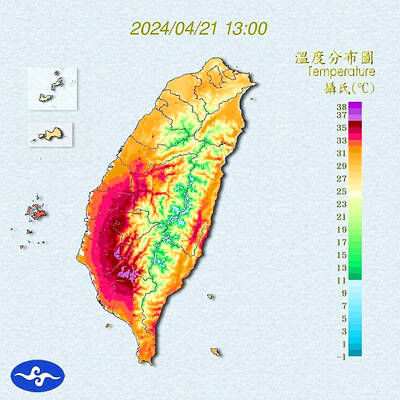
Heat advisories were in effect for nine administrative regions yesterday afternoon as warm southwesterly winds pushed temperatures above 38°C in parts of southern Taiwan, the Central Weather Administration (CWA) said. As of 3:30pm yesterday, Tainan’s Yujing District (玉井) had recorded the day’s highest temperature of 39.7°C, though the measurement will not be included in Taiwan’s official heat records since Yujing is an automatic rather than manually operated weather station, the CWA said. Highs recorded in other areas were 38.7°C in Kaohsiung’s Neimen District (內門), 38.2°C in Chiayi City and 38.1°C in Pingtung’s Sandimen Township (三地門), CWA data showed. The spell of scorching


 RSS
RSS