


Acne, discolored skin patches and epilepsy might individually be symptomatic of many diseases and disorders, but together they are signs of a relatively rare genetic disorder called Tuberous Sclerosis Complex (TSC), which is thought to affect more than 2,000 people in the nation, the Taiwan TSC Association said yesterday.
TSC is a rare, multisystem genetic disorder that causes benign tumors to form in various organs, including the brain, lungs and kidneys, physicians said.
While it is estimated that more than 2,000 Taiwanese have TSC, fewer than 500 patients have been diagnosed, University Hospital Department of Medical Genetics physician Chen Pay-long (陳沛隆) said, attributing the low diagnosis rate to insufficient public awareness about the genetic disease.
To raise awareness about TSC, the association has joined with Taipei 101 to mark this year’s TSC Global Awareness Day by illuminating the skyscraper in blue — the representative color of the illness — tomorrow, association director-general Lu Hsien-lung (魯賢龍) said.
A 17-year-old man named Chou Po-hsuan (周伯軒) exhibited light-colored spots on his skin and eczema 58 days after his birth, symptoms first attributed by his parents to an ordinary skin irritation, Lu said.
“To Chou’s parents’ shock, a dermatologist ordered cranial and heart ultrasounds for the infant, as well as magnetic resonance imaging. The physician said that their son had to live with a rare condition they had never heard of, TSC, for the rest of his life,” Lu told a news conference in Taipei yesterday to herald TSC Global Awareness Day.
The disease has variable manifestations because it can affect multiple organs, Chen said.
“For instance, some develop cardiac tumors in early infancy, while 95 percent of TSC-affected individuals experience benign skin growths, discolored skin patches or pimple-like bumps,” Chen added.
Those who develop abnormal growths in the brain can experience seizures and cognitive impairment, while patients with pulmonary cysts might be prone to coughing up blood and collapsed lungs, he added.
TSC is caused by a mutation in the DNA of either the TSC1 or TSC2 gene, with one-third of the patients inheriting the disease from an affected parent and two-thirds from spontaneous genetic mutations, Chen said.

Left-Handed Girl (左撇子女孩), a film by Taiwanese director Tsou Shih-ching (鄒時擎) and cowritten by Oscar-winning director Sean Baker, won the Gan Foundation Award for Distribution at the Cannes Critics’ Week on Wednesday. The award, which includes a 20,000 euro (US$22,656) prize, is intended to support the French release of a first or second feature film by a new director. According to Critics’ Week, the prize would go to the film’s French distributor, Le Pacte. "A melodrama full of twists and turns, Left-Handed Girl retraces the daily life of a single mother and her two daughters in Taipei, combining the irresistible charm of
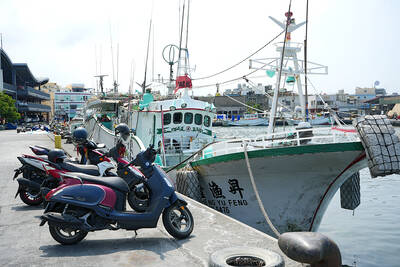
A Philippine official has denied allegations of mistreatment of crew members during Philippine authorities’ boarding of a Taiwanese fishing vessel on Monday. Philippine Bureau of Fisheries and Aquatic Resources (BFAR) spokesman Nazario Briguera on Friday said that BFAR law enforcement officers “observed the proper boarding protocols” when they boarded the Taiwanese vessel Sheng Yu Feng (昇漁豐號) and towed it to Basco Port in the Philippines. Briguera’s comments came a day after the Taiwanese captain of the Sheng Yu Feng, Chen Tsung-tun (陳宗頓), held a news conference in Pingtung County and accused the Philippine authorities of mistreatment during the boarding of

88.2 PERCENT INCREASE: The variants driving the current outbreak are not causing more severe symptoms, but are ‘more contagious’ than previous variants, an expert said Number of COVID-19 cases in the nation is surging, with the Centers for Disease Control (CDC) describing the ongoing wave of infections as “rapid and intense,” and projecting that the outbreak would continue through the end of July. A total of 19,097 outpatient and emergency visits related to COVID-19 were reported from May 11 to Saturday last week, an 88.2 percent increase from the previous week’s 10,149 visits, CDC data showed. The nearly 90 percent surge in case numbers also marks the sixth consecutive weekly increase, although the total remains below the 23,778 recorded during the same period last year,
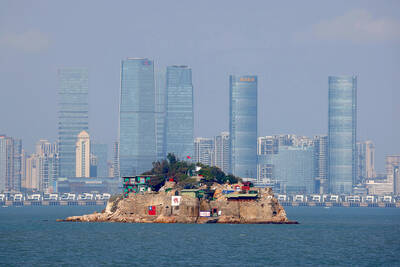
The Chinese Communist Party (CCP) is pushing for residents of Kinmen and Lienchiang counties to acquire Chinese ID cards in a bid to “blur national identities,” a source said. The efforts are part of China’s promotion of a “Kinmen-Xiamen twin-city living sphere, including a cross-strait integration pilot zone in China’s Fujian Province,” the source said. “The CCP is already treating residents of these outlying islands as Chinese citizens. It has also intensified its ‘united front’ efforts and infiltration of those islands,” the source said. “There is increasing evidence of espionage in Kinmen, particularly of Taiwanese military personnel being recruited by the


 RSS
RSS