


Excessive mirth seems to have gotten the better of a teenager with reports that a 16-year old was hospitalized after laughing to excess.
The Chinese-language Apple Daily reported yesterday that doctors diagnosed the boy with a severe alveolus hemorrhage due to strenuous laughter after he was admitted to Kaohsiung Medical University Chung-Ho Memorial Hospital’s emergency ward.
The report said that the incident was the first case of pneumohemothorax caused by hysterical laughter in the nation. The condition was described in a thesis published by Chen Tai-heng (陳泰亨) the physician at the hospital who treated the teenager.
According to Chen, his patient was chatting with his friend and eating fried chicken at a fast-food restaurant and was laughing hysterically before he fell into convulsions, suddenly dropping to the floor.
The boy was brought to the hospital looking very pale and suffering from shock, Chen said, adding that his patient said he had a stomachache. After assessing his abdominal cavity and making sure his appendix was normal, the physician discovered a massive shade covering his right lung, indicating that the teenager had suffered a spontaneous pneumohemothorax.
He then performed surgery, during which he found that the teenager’s pulmonary alveolar artery had ruptured, squirting out 1.1 liters of blood. After clearing the blood from his chest cavity and giving the boy a transfusion of 2 liters of blood, the patient finally recovered from a critical state, Chen said.
He said that the teenager, who is 170cm tall and weighs 50kg, had lost 30 percent, or 2.4kg, of blood from his circulatory system and could have died. In addition, if a collection of blood inside the intrapleural cavity is not removed, the lungs collapse, in which case the patient dies from asphyxiation, he said.
Chen said the cause of spontaneous pneumothorax is gas entering the intrapleural cavity, which is a vacuum, and that the cause often difficult to pinpoint.
Common symptoms of pneumothorax include pain and stuffiness in the chest, often accompanied with difficulty breathing, he said.
The diagnosis indicated that the teenager ruptured his pulmonary alveoli by laughing strenuously, and also burst his alveolar artery. The gas and blood then entered into intrapleural cavity and caused a pneumohemothorax so severe that it pressurized the nerves in his upper-right abdomen, giving rise to a stomachache.
Chen said that the teenager was hospitalized for six days and told not to laugh so hard again. He said that there is a chance that the syndrome would recur, and that he should avoid expressing extreme emotions.
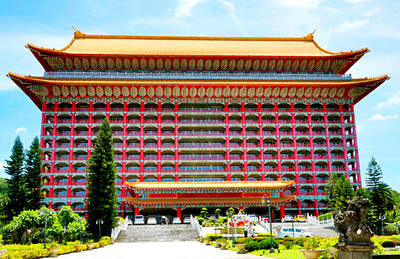
The Grand Hotel Taipei on Saturday confirmed that its information system had been illegally accessed and expressed its deepest apologies for the concern it has caused its customers, adding that the issue is being investigated by the Ministry of Justice Investigation Bureau. The hotel said that on Tuesday last week, it had discovered an external illegal intrusion into its information system. An initial digital forensic investigation confirmed that parts of the system had been accessed, it said, adding that the possibility that some customer data were stolen and leaked could not be ruled out. The actual scope and content of the affected data
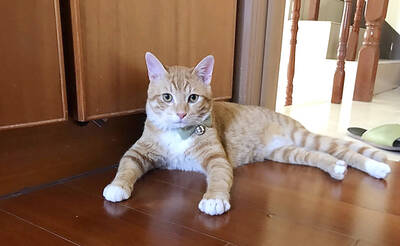
DO THEY BITE IT? Cats have better memories than people might think, but their motivation is based entirely around the chance of getting fed Cats can remember the identity of the people who fed them the day before, Taipei-based veterinarians said on Friday, debunking a popular myth that cats have a short memory. If a stray does not recognize the person who fed them the previous day, it is likely because they are not carrying food and the cat has no reason to recognize them, said Wu Chou Animal Hospital head Chen Chen-huan (陳震寰). “When cats come to a human bearing food, it is coming for the food, not the person,” he said. “The food is the key.” Since the cat’s attention is on the food, it
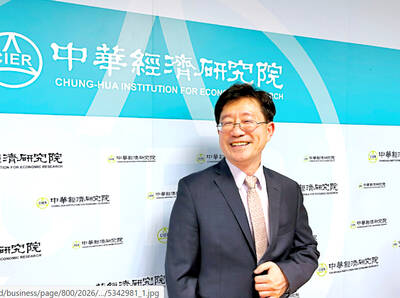
Taiwan must act to preempt potential Section 301 investigations as US President Donald Trump moves to a new tariff strategy, following a US Supreme Court ruling that voided tariff measures, an academic said yesterday. Countries running the largest trade surpluses with the US face a growing likelihood of Section 301 investigations, Chung-Hua Institution for Economic Research president Lien Hsien-ming (連賢明) said. Section 301 refers to a provision of the Trade Act of 1974 that allows Washington to impose retaliatory tariffs over perceived unfair trade practices, including the running of large trade surpluses. Because Taiwan has become the fourth-largest source of the US’ trade
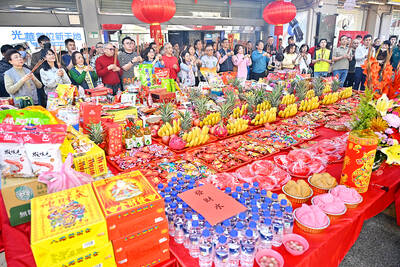
People hold incense and pray with offerings in front of Taipei’s Kuanghwa Market yesterday. The fifth day of the Lunar New Year is traditionally about welcoming the God of Wealth, during which companies and shops set off firecrackers to celebrate their reopening and pray for good business in the new year.


 RSS
RSS