


對話 Dialogue
清清:你看過螢火蟲嗎?我聽新聞說,四到五月是螢火蟲的季節。
Qîngqîng: Nǐ kànguò yínghuǒchóng ma? Wǒ tîng xînwén shuô, sì dào wǔ yuè shì yínghuǒchóng de jìjié.
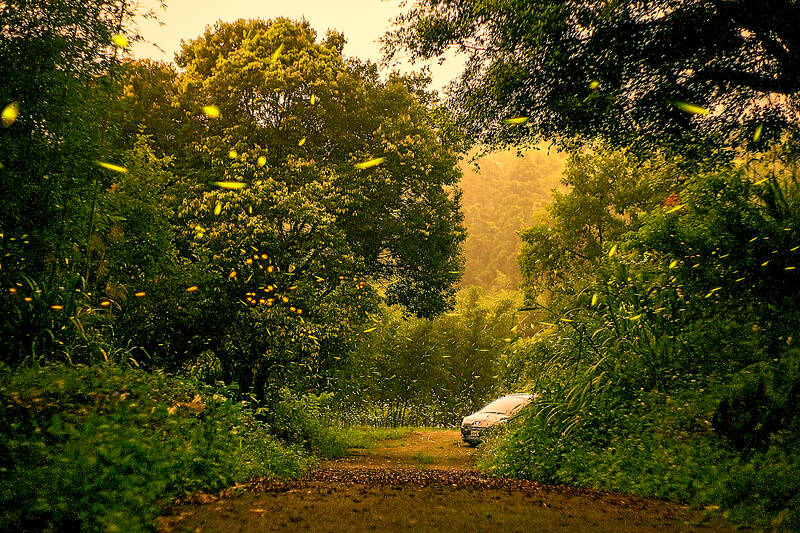
Photo courtesy of Unsplash / 照片:Unsplash 提供
華華:是喔?我從來沒親眼看過螢火蟲,只在電視上看過。
Huáhua: Shì o? Wǒ cónglái méi qînyǎn kàn guò yínghuǒchóng, zhǐ zài diànshì shàng kàn guò.
清清:你想一起去看嗎?我們可以去山上走走,那裡比較容易看到。
Qîngqîng: Nǐ xiǎng yìqǐ qù kàn ma? Wǒmen kěyǐ qù shân shàng zǒu zǒu, nàlǐ bǐjiào róngyì kàn dào.
華華:我想去!不過,要看螢火蟲的話,是不是要晚上去啊?
Huáhua: Wǒ xiǎng qù! Búguò, yào kàn yínghuǒchóng de huà, shì bú shì yào wǎnshàng qù a?
清清:對啊。我們最好傍晚上山,在山上等天色暗下來,比較容易看到,而且說話不要太大聲。
Qîngqîng: Duì a. Wǒmen zuìhǎo bàngwǎn shàng shân, zài shân shàng děng tiânsè àn xiàlái, bǐjiào róngyì kàn dào, érqiě shuôhuà búyào tài dà shēng.
華華:為什麼不能太大聲說話?
Huáhua: Wèishéme bù néng tài dà shēng shuôhuà?
清清:因為螢火蟲很怕光和聲音,如果有人大聲說話,或者用手電筒照牠們,牠們就會飛走。
Qîngqîng: Yînwèi yínghuǒchóng hěn pà guâng hàn shēngyîn, rúguǒ yǒurén dà shēng shuôhuà, huòzhě yòng shǒudiàntǒng zhào tâmen, tâmen jiù huì fēi zǒu.
華華:收到!那我們到時候說話小聲一點,還要記得把手電筒關掉,免得把牠們嚇跑了。
Huáhua: Shôudào. Nà wǒmen dàoshíhòu shuôhuà xiǎo shēng yìdiǎn, hái yào jìde bǎ shǒudiàntǒng guân diào, miǎnde bǎ tâmen xià pǎo le.
翻譯 Translation
Qingqing: Have you ever seen the fireflies? I heard on the news that April to May is firefly season.
Huahua: Really? I’ve never seen fireflies in person—only on TV.
Qingqing: Do you want to go see them together? We could take a walk in the mountains; it’s easier to spot them there.
Huahua: I’d love to go, but if we’re going to see fireflies, shouldn’t we go at night?
Qingqing: Yes. It’s best to go up the mountain around dusk and wait until it gets dark. It’s easier to see them then, and we shouldn’t talk too loudly.
Huahua: Why can’t we talk loudly?
Qingqing: Because fireflies are sensitive to light and sound. If people talk loudly or shine a flashlight at them, they’ll fly away.
Huahua: Got it. Then we’ll speak softly and remember to turn off our flashlights so we don’t scare them away.
生詞 Vocabulary
1. 螢火蟲 (yínghuǒchóng) firefly
2. 季節 (jìjié) season
3. 親眼 (qînyǎn) with one’s own eyes; personally
4. 最好 (zuìhǎo) had better; it would be best to
5. 傍晚 (bàngwǎn) dusk; early evening
6. 天色 (tiânsè) the color/state of the sky; daylight condition
7. 手電筒 (shǒudiàntǒng) flashlight; torch
8. 免得 (miǎnde) so as to avoid
教材音檔 Audio Files
國立清華大學華語中心提供
By National Tsing Hua University Chinese Language Center:
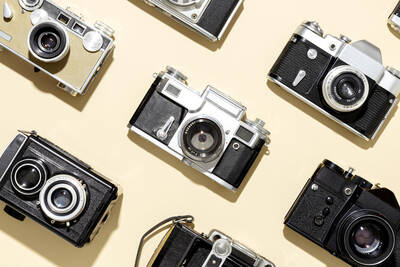
Cameras are everywhere — in our pockets, on our walls and even in space. They capture emotions, preserve history and reflect culture. Through these devices, photography is now essential to modern life, influencing how we perceive ourselves and the world. To understand the root of their power, let’s explore the camera’s remarkable journey. The story begins with the camera obscura, a dark room with a tiny hole. Light passing through the opening projected an inverted image on the opposite wall. Renaissance artists used this principle to paint accurate scenes. However, these images couldn’t be preserved as photographs. That changed

A: This year’s two most anticipated films have finally hit theaters in Taiwan. “Michael” premiered last Wednesday, while “The Devil Wears Prada 2” premiered this Wednesday ahead of its global release. B: Isn’t “Michael” the biopic about the late King of Pop Michael Jackson? A: Yup, it tells the story of Michael’s legendary life, from child star to global icon. And the role is in fact played by his nephew, Jaafar Jackson. B: Michael caused a sensation when touring Taiwan twice in 1993 and 1996. His classic hits, dance moves and music videos reshaped global pop culture at that time. A: I’m gonna
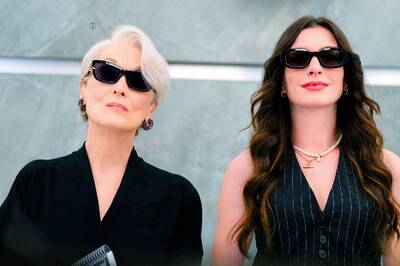
A: In addition to the biopic “Michael,” comedy “The Devil Wears Prada 2” is finally in theaters. I can’t believe it’s been 20 years since the 2006 debut of the original film. B: Does the sequel still revolve around the fashion industry? A: This time, “Miranda,” the fashion magazine editor-in-chief played by Meryl Streep, will team up with her former assistant “Andy,” played by Anne Hathaway, to fight against Emily, her other ex-assistant played by Emily Blunt. B: Isn’t the role of “Miranda” based on then US “Vogue” editor-in-chief Anna Wintour? A: Yup, it established Anna’s fashion status, influenced pop culture
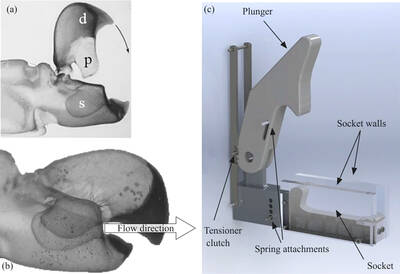
Few sea creatures of their size have as much destructive power as pistol shrimp. These small animals, usually measuring around four centimeters long, produce shock waves that can stun or even kill their prey. The attack begins when the shrimp opens its specialized claw, allowing water to fill a chamber inside. Then the claw closes rapidly. A bump on the claw strikes the chamber, forcing the trapped water out through a narrow opening at a high speed of about 25 meters per second. The rapid movement forms a bubble in the water that collapses almost instantly under the pressure of the


 RSS
RSS