


對話 Dialogue
清清:我連假回老家掃墓,帶了一些草仔粿回來,你要不要吃吃看?
Qīngqīng: Wǒ liánjià huí lǎojiā sǎomù, dài le yìxiē “tsháu-á-kué” huílái, nǐ yào bú yào chī chī kàn?
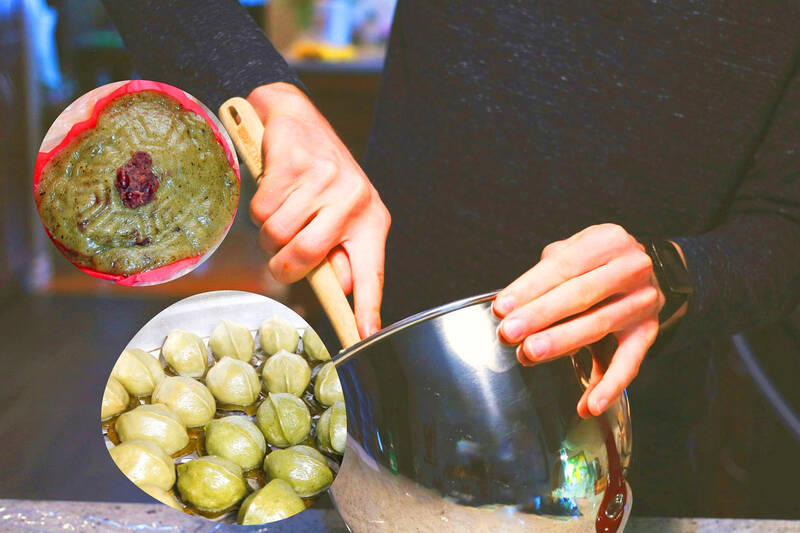
Photo: Unsplash and Wikipedia / 照片:Unsplash 提供
華華:哇!看起來就很好吃。這是你們家自己做的嗎?
Huáhua: Wa! Kàn qǐlái jiù hěn hǎochī. Zhè shì nǐmen jiā zìjǐ zuò de ma?
清清:對啊,是我阿姨親手做的。每年清明節她都會做。
Qīngqīng: Duì a, shì wǒ āyí qīnshǒu zuò de. Měinián Qīngmíng jié tā dōu huì zuò.
華華:你阿姨手藝真好!看起來好像外面賣的。
Huáhua: Nǐ āyí shǒuyì zhēn hǎo! Kàn qǐlái hǎoxiàng wàimiàn mài de.
清清:口味有鹹的,也有甜的。
Qīngqīng: Kǒuwèi yǒu xián de, yě yǒu tián de.
華華:聞起來好香!裡面包什麼?
Huáhua: Wén qǐlái hǎo xiāng! Lǐmiàn bāo shénme?
清清:鹹的是蘿蔔絲的,甜的有紅豆口味和綠豆口味的。你想要哪種?
Qīngqīng: Xián de shì luóbo sī de, tián de yǒu hóngdòu kǒuwèi hàn lǜdòu kǒuwèi de. Nǐ xiǎng yào nǎ zhǒng?
華華:我不挑食,哪種都可以,你幫我選吧。謝謝你跟我分享!
Huáhua: Wǒ bù tiāoshí, nǎ zhǒng dōu kěyǐ, nǐ bāng wǒ xuǎn ba. Xièxie nǐ gēn wǒ fēnxiǎng!
翻譯 Translation
Qingqing: I went back to my hometown to sweep the tombs during the long holiday and brought back some mugwort rice cakes. Would you like to try some?
Huahua: Wow! They look delicious. Did your family make these?
Qingqing: Yes, my aunt made them by hand. She makes them every year for the Qingming Festival.
Huahua: Your aunt is really skillful! They look just like the ones sold outside.
Qingqing: There are savory and sweet flavors. Which one would you like?
Huahua: They smell so good! What’s inside?
生詞 Vocabulary
1. 連假 (liánjià) long holiday; consecutive days off
2. 掃墓 (sǎomù) sweep ancestors’ graves; tomb-sweeping
3. 草仔粿 (tsháu-á-kué) mugwort rice cake; a traditional food eaten during the Qingming Festival. In Taiwan, this snack is more commonly pronounced in Taiwanese as tsháu-á-kué, rather than in Mandarin as cǎozǎiguǒ. In Hakka, it is called 艾粄 (ngie banˋ), rather than the Mandarin pronunciation Ài bǎn.
4. 親手 (qīnshǒu) personally; with one’s own hands
5. 手藝 (shǒuyì) craftsmanship; cooking skill
6. 口味 (kǒuwèi) flavor; taste
7. 挑食 (tiāoshí) be picky about food
8. 分享 (fēnxiǎng) share
教材音檔 Audio Files
國立清華大學華語中心提供
By National Tsing Hua University Chinese Language Center:

Have you ever found yourself desperately feeding coins into a claw machine just because you’ve already spent so much trying to win that stuffed animal? Or maybe you’ve continued watching a boring movie simply because you already paid for the ticket? If so, you’ve experienced the “sunk cost fallacy.” A sunk cost refers to time, money or effort that has already been spent and cannot be recovered. This psychological trap is surprisingly common. You might keep playing a video game you no longer enjoy because you’ve invested countless hours in building your character, or maintain a toxic friendship because you’ve known

A: Which TV drama series have been global hits so far this year? B: The US drama “Stranger Things 5,” South Korean drama “Can This Love Be Translated?” and Chinese megahit “Pursuit of Jade” are all popular lately. A: Isn’t “Pursuit of Jade” the costume idol drama about the romance between a charming marquis and a pig-slaughterer? Actor Zhang Linghe and actress Tian Xiwei are both so attractive. B: Plus, Netflix’s Korean-Japanese gay romance drama “Soul Mate” — starring Korea’s Ok Taec-yeon and Japan’s Hayato Isomura — is set to premiere in May. A: These hit international dramas
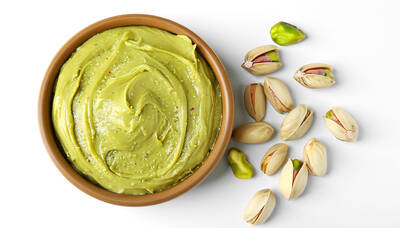
It seems like every year, new foods or drinks start trending and suddenly show up everywhere. A decade ago, avocado __1__ restaurant menus, while oat milk became the must-have addition to your coffee in cafes around five years back. The latest trend to hit this list is the pistachio. This flavorful green nut now features in everything from chocolate bars to Indian curries. While pistachios have long played a central role in certain regional cuisines, their recent global __2__ can be traced to Dubai. There, a specialty chocolate shop went __3__ on TikTok for one of its chocolate bars
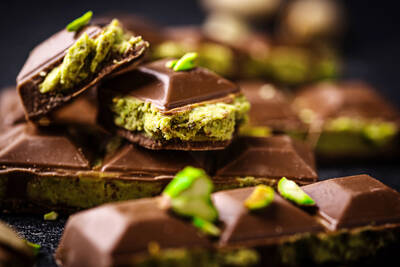
One reason pistachios have taken the food world by storm compared to other nuts is their soft, green color. When ground down into a cream or butter, the green hue __6__ nicely with golden pastries or dark-brown chocolate, making it perfect for Instagram photos and TikTok videos. Their labor-intensive cultivation and __7__ also contribute to their image as a premium ingredient. Thus, buying a pistachio-based product often feels like a __8__ treat. Pistachios also stand out for their distinct flavor and health __9__. They have a subtle, sweet, earthy flavor that goes well with both sweet desserts and


 RSS
RSS