


對話 Dialogue
清清:今天來上班的路上,經過好幾條開滿了花的路,心情都跟著好起來了。
Qīngqing: Jīntiān lái shàngbān de lùshàng, jīngguò hǎojǐ tiáo kāimǎnle huā de lù, xīnqíng dōu gēnzhe hǎo qǐlái le.

Photo: Piqsels / 照片:Piqsels 提供
華華:這就是春天哪!天氣暖和了,花也都開了。
Huáhua: Zhè jiùshì chūntiān na! Tiānqì nuǎnhuo le, huā yě dōu kāi le.
清清:對啊!朋友也都在網上曬參加花季的照片,隨便拍都好美。
Qīngqing: Duì a! Péngyǒu yě dōu zài wǎngshàng shài huājì de zhàopiàn, suíbiàn pāi dōu hǎo měi.
華華:是花美還是人美?
Huáhua: Shì huā měi háishì rén měi?
清清:如果是我的話,當然是花美人更美囉!
Qīngqing: Rúguǒ shì wǒ dehuà, dāngrán shì huā měi rén gèng měi luo!
華華:你還真有自信。那你說說你比什麼花還好看?
Huáhua: Nǐ hái zhēn yǒu zìxìn. Nà nǐ shuōshuo nǐ bǐ shénme huā hái hǎokàn?
清清:你這人真不浪漫,每個女孩子都是一朵花,活該找不到你的春天。
Qīngqing: Nǐ zhè rén zhēn bú làngmàn, měi ge nǚháizi dōu shì yì duǒ huā, huógāi zhǎobúdào nǐ de chūntiān.
華華:週末我就去山上賞賞花,看看是野花漂亮,還是你漂亮?
Huáhua: zhōumò wǒ jiù qù shān shàng shǎngshǎng huā, kànkan shì yěhuā piàoliàng, háishì nǐ piàoliàng?
翻譯 Translation
Qīngqing: On my way to work today, I passed by several roads blooming with flowers, and the sight of it really put me in a good mood.
Huáhua: It’s springtime. It’s getting warm, and all the flowers are in bloom.
Qīngqing: Exactly. My friends have also been sharing photos of the flower season online. They look gorgeous no matter how you photograph them.
Huáhua: Is it the flowers that are beautiful, or the people in the photos?
Qīngqing: If you’re asking me, of course the flowers are beautiful, but the people are even more so.
Huáhua: You’re really confident. Then tell me, which flower are you more beautiful than?
Qīngqing: That’s not very romantic of you. All girls are beautiful in their own way, and I’m not surprised you haven’t found someone to be with.
Huáhua: This weekend I’m going up the mountains to enjoy some flowers — just to see which is prettier, the wildflowers or you.
生詞 Vocabulary
1. 春天 (chūntiān) spring; springtime
2. 開滿 (kāimǎn) in full bloom; covered in blossoms
3. 心情 (xīnqíng) mood; frame of mind
4. 暖和 (nuǎnhuo) warm
5. 曬 (shài) to post or share photos online; to bask in the sun
6. 自信 (zìxìn) confidence; self-confident
7. 浪漫 (làngmàn) romantic
8. 活該 (huógāi) serve someone right; deserve it
教材音檔 Audio Files
國立清華大學華語中心提供
By National Tsing Hua University Chinese Language Center:

Many of us face common health challenges: tired eyes from long screen use, the search for anti-aging support and the need for weight control without resorting to restrictive diets. While no single food is a miracle cure, berries offer targeted, evidence-based nutritional support that’s easy and delicious to add to your daily routine. For overall immunity and healthy skin, vitamin C is essential. Strawberries provide roughly 10 percent more vitamin C than oranges, while blackcurrants deliver three to four times as much. These tasty fruits also contain abundant polyphenols, which help the body manage oxidative stress, support overall

Concertgoers know the rush all too well — the moment the first notes play, your heart races, and nothing else seems to matter. For many, the excitement doesn’t end when the lights come back on. Some fans try to relive the performance by listening to the same songs for days afterward. __1__ A few days after an amazing show, they begin to feel unexpectedly low. Psychologists have coined a term for this phenomenon: “post-concert depression,” or “PCD.” PCD is primarily related to hormone levels. When you’re at a concert, the excitement causes your brain to release feel-good chemicals like
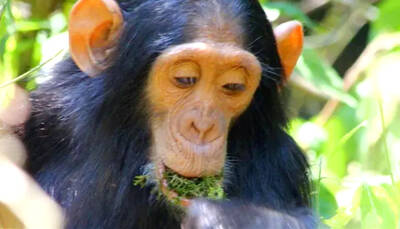
A new study suggests that chimpanzees can weigh evidence and make rational judgments. In the experiment, researchers placed two boxes in front of the chimpanzees. One box was set up to give strong evidence, such as letting the chimpanzees actually see food inside. The other was designed to provide weak evidence, like producing a rattling sound when it was shaken. The chimps consistently chose the box with strong evidence, even when the weaker clue appeared first. This indicated that they were not fooled by the order of presentation. In another trial where no strong evidence was available, the chimps
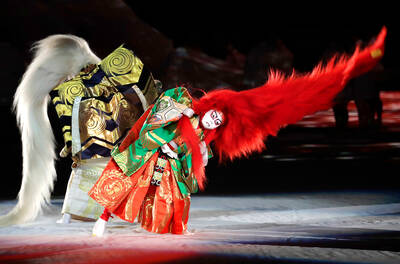
Handing down a name over generations is a central part of the Japanese traditional theater art of Kabuki, and that ceremony gets celebrated at theaters and special events every few years. Now, the ritual is taking place with the eighth Kikugoro, who is having that honor passed down from his 83-year-old father, the seventh Kikugoro, who in turn got that name from his father. “Taking on the name is about taking on the spirit and responsibility that’s created and getting passed down over generations by those who came before us,” the younger Kikugoro, Kazuyasu Terajima, told reporters recently. Another famous family name in


 RSS
RSS