


The English Lake District, a UNESCO World Heritage Site since 2017, is renowned for its landscapes, literary legacy and traditional farming. Yet, its esteemed status now sits at the center of a debate: is the designation protecting the region—or harming it?
Conservationist Lee Schofield has sparked controversy by campaigning to revoke the Lake District’s World Heritage status. He argues that the label reinforces unsustainable farming, particularly the dominance of sheep grazing, which prevents ecological restoration and harms biodiversity. The famous Herdwick sheep, while culturally significant, contribute to overgrazing, soil erosion, and the prevention of forest recovery. Schofield clarifies that his goal is not to eliminate farming but to promote eco-friendly practices.
Critics also cite “overtourism” as a major issue. High visitor numbers strain infrastructure, degrade the water quality of lakes such as Windermere, and drive up property prices beyond the means of many local residents. The tourism boom, though economically beneficial, risks transforming the Lake District into a victim of its own success, with crowded trails and commercialized landscapes overshadowing its natural beauty.
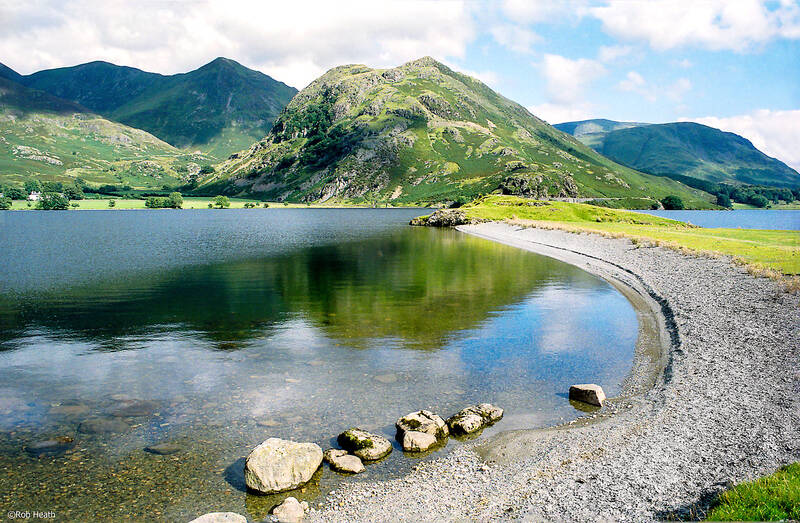
Photo courtesy of Wikimedia Commons 照片:維基共享資源提供
Supporters of retaining the designation—including farmers and local businesses — counter that it preserves cultural identity and sustains a tourism-driven economy. Were the status to be lost, livelihoods in farming and hospitality could be undermined. For them, the designation is a source of pride and a tool for sustainable development, not an obstacle.
The debate highlights a fundamental tension: how can the Lake District honor its heritage while adapting to modern challenges? A practical path forward likely combines farming reform, habitat restoration, and better visitor management. Ultimately, the region’s future should be shaped by both its past and the needs of its people. The outcome will determine whether the Lake District remains a model of harmony between nature and culture — or becomes a cautionary tale of mismanaged heritage.
英格蘭湖區自 2017 年獲列聯合國教科文組織世界遺產,以壯麗景觀、文學遺產及傳統農耕聞名。然而這項殊榮如今引發激烈爭議:世界遺產認證究竟在守護這片土地,抑或正在傷害它?
環保人士李·斯科菲爾德發起撤銷湖區世界遺產地位的運動,引發軒然大波。他主張此標籤助長了不永續的農業模式,特別是羊隻放牧的主導地位,阻礙生態修復並危害生物多樣性。著名的赫德威克羊雖具文化意義,卻造成過度放牧、土壤侵蝕並使森林復育受阻。斯科菲爾德澄清其目標並非消除農業,而是推動環境友善的做法。
批評者同時指出過度旅遊是主要問題。龐大遊客量不僅造成基礎設施負荷過重,更導致溫德米爾湖等水域水質惡化,並推升房價至多數當地居民難以負擔的水平。儘管旅遊熱潮帶來經濟效益,卻可能使湖區淪為自身成功的受害者——擁擠的步道與商業化景觀正逐漸掩蓋其自然之美。
支持保留資格的人——包括農民與在地企業——則認為此地位有助保存文化認同並維繫旅遊驅動的經濟。若失去此地位,農業與餐旅業的生計恐將蒙受損失。對他們而言,此資格是驕傲的來源與永續發展的工具,而非阻礙。
這場辯論凸顯了根本性矛盾:湖區該如何在傳承歷史遺產的同時,適應現代挑戰?可行的解決方案應結合農業改革、棲地修復與更完善的遊客管理。最終,該地區的未來應由其歷史與居民需求共同塑造。結果將決定湖區能否持續成為自然與文化和諧共生的典範——抑或淪為遺產管理失當的警示案例。
MORE INFORMATION
designation n. 指定地區
conservationist n. 保育人士
revoke vt. 撤銷;解除
dominance n. 主導地位
biodiversity n. 生物多樣性
overtourism n. 過度旅遊
degrade vt. 損害;危害
commercialized adj. 商業化的
overshadow vt. 使黯然失色;使蒙上陰影
livelihood n. 生計
cautionary adj. 警世的
mismanaged adj. 管理不善的
KEY VOCABULARY
1. renowned adj. 知名的
The restaurant is renowned for its traditional dishes and has attracted visitors from around the world.
這間餐廳以傳統料理聞名,吸引了來自世界各地的遊客。
2. legacy n. 遺產;遺留物
The scientist’s legacy lives on through the important discoveries that changed the world of medicine.
這位科學家的遺產,透過那些改變醫學界的重要發現而永垂不朽。
3. esteemed adj. 受人敬重的
The esteemed writer received a special award for her contributions to literature and education.
這位備受敬重的作家因對文學與教育的貢獻而獲得特別獎項。
4. graze v. 放牧;吃草 overgrazing n. 過度放牧
The farmer let the goats graze near the river, where the plants grew tall after the rainy season.
農夫讓山羊在河邊吃草,那裡在雨季過後長滿了高高的植物。
5. cite vt. 舉例;引證
During the meeting, Mr. Lin cited several successful companies as examples of good business planning.
在會議中,林先生舉了幾家成功的公司作為良好商業規劃的例子。
6. beneficial adj. 有益的;有利的
Learning a second language at a young age can be highly beneficial for brain development and communication skills.
年紀小時學第二語言對大腦發展和溝通能力非常有幫助。
7. hospitality n. 餐旅業
After graduating from college, Jason started working in the hospitality industry at a five-star hotel.
大學畢業後,傑森開始在一家五星級飯店從事餐旅業的工作。
8. habitat n. 棲息地
The forest provides a natural habitat for many wild animals, including deer, foxes and various birds.
這片森林是許多野生動物的自然棲息地,包括鹿、狐狸和各種鳥類。
9. restoration n. 修復;恢復
The city began the restoration of the old theater to preserve its historical beauty
and attract more visitors.
該城市開始修復那座老戲院,以保留其歷史之美並吸引更多遊客。
空中美語APP+︰全新AI學習,限時免費!(學習音檔) https://www.english4u.net/qr/app.html
文章由AMC空中美語授權使用: https://www.english4u.net


A: Isn’t the 2026 Coachella Valley Music and Arts Festival — a massive music event held every April — about to open in California? B: Yeah the festival is set to take place over two weekends, from April 10 to 12 and 17 to 19, US time. A: I heard this year’s main stage headliners include Sabrina Carpenter, Justin Bieber, Karol G and EDM DJ Anyma. B: The K-pop army is also making an appearance, with legendary group BigBang, SHINee member Taemin and girl group Katseye debuting for the first time. A: Isn’t Coachella also live-streamed on its YouTube

A: Several Japanese and South Korean acts, such as BigBang, are participating in this year’s Coachella Music Festival. Have any Mando-pop singers ever performed at Coachella? B: Yup, K-pop group GOT7’s Hong Kong member Jackson Wang, and Taiwanese band Sunset Rollercoaster, which primarily performs in English, attended the festival before. A: It’s a pity that we didn’t fly to Coachella. But in fact, Taipei has also gradually become an Asian music hub in recent years. B: That’s true. K-pop sensation Twice just held three concerts at the Taipei Dome, followed by Hong Kong singer G.E.M., who is going

Concertgoers know the rush all too well — the moment the first notes play, your heart races, and nothing else seems to matter. For many, the excitement doesn’t end when the lights come back on. Some fans try to relive the performance by listening to the same songs for days afterward. __1__ A few days after an amazing show, they begin to feel unexpectedly low. Psychologists have coined a term for this phenomenon: “post-concert depression,” or “PCD.” PCD is primarily related to hormone levels. When you’re at a concert, the excitement causes your brain to release feel-good chemicals like
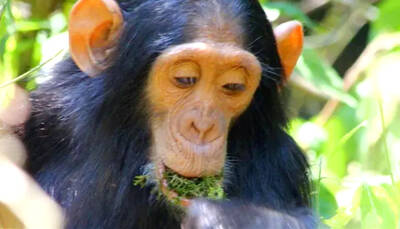
A new study suggests that chimpanzees can weigh evidence and make rational judgments. In the experiment, researchers placed two boxes in front of the chimpanzees. One box was set up to give strong evidence, such as letting the chimpanzees actually see food inside. The other was designed to provide weak evidence, like producing a rattling sound when it was shaken. The chimps consistently chose the box with strong evidence, even when the weaker clue appeared first. This indicated that they were not fooled by the order of presentation. In another trial where no strong evidence was available, the chimps


 RSS
RSS