


Many popular English expressions originate from the world of sports. While their roots lie in athletics, their meanings extend far beyond the playing field. Here are three examples.
Hat Trick

Photo: Freepik / 照片:Freepik
This expression comes from cricket. When a bowler dismisses a batter, it’s called “taking a wicket.” Taking three wickets in a row is a great achievement, so in the past, a bowler who achieved this was rewarded with a hat. Later, sports like hockey and soccer adopted it to mean scoring three goals in a game. Nowadays, this phrase means to achieve any three successes consecutively, not just in sports. For example, if a comedian’s last three jokes landed perfectly during a show, you could say it was a “hat trick.”
Out of Left Field
This idiom is rooted in baseball. A throw from left field to either home plate or first base can sometimes catch runners off guard. Therefore, the term is used to describe something unexpected, strange or unusual. For instance, if your best friend suddenly announces they’re moving to South America—that would be completely “out of left field.”
Throw in the Towel
The phrase has its roots in boxing. When a boxer faced inevitable defeat and their coach wanted to stop the fight, they would throw a towel into the ring to surrender. Today, this idiom refers to giving up or conceding defeat in any situation. For instance, the company “threw in the towel” after years of financial trouble.
These sports idioms bring color and energy to our everyday communication, helping us sound more natural and engaging. It’s time that you used them in your next conversation.
許多熱門的英文片語源自於運動領域。雖然它們起源於體育,但其意義卻延伸到運動場以外的地方。以下是三個例子。
Hat Trick(帽子戲法;三連勝)
這個表達方式來自板球。當投球手讓擊球手出局時,稱為「taking a wicket」。連續三次讓擊球手出局是一項了不起的成就,所以過去達成此壯舉的投球手會獲得一頂帽子作為獎勵。後來,曲棍球和足球等運動採用了這個詞來表示在一場比賽中進三球。如今,這個片語指的是連續達成任何三項成功,不僅限於運動。例如,如果一位喜劇演員在表演中的最後三個笑話都成功讓觀眾大笑,你可以說這是一個「hat trick」。
Out of Left Field(出乎意料)
這個成語來自棒球。從左外野投回本壘或一壘的球,有時會讓跑者措手不及。因此,這個詞被用來形容某事意想不到、奇怪或不尋常的。例如,如果你最好的朋友突然宣布他們要搬去南美洲,那就可以說這個消息完全是「out of left field」!
Throw in the Towel(認輸;放棄)
這個片語起源於拳擊運動。當一位拳擊手面臨不可避免的落敗,而他們的教練想要停止比賽時,就會把毛巾扔進拳擊場表示投降。如今,這個成語指的是在任何情況下放棄或承認失敗。例如,在多年的財務困境後,這家公司「threw in the towel」。
這些運動片語為我們的日常對話增添了色彩和活力,幫助我們聽起來更自然且更有吸引力。是時候在你的下一次對話中使用它們了!
MORE INFORMATION
hockey n. 曲棍球運動
boxing n. 拳?運動
ring n. 競技場;表演場
KEY VOCABULARY
1. athletics n. 體育運動
Jasmine has a deep passion for athletics and hopes to compete at the national level someday.
潔絲敏對體育運動充滿熱情,希望有朝一日能參加全國性比賽。
2. nowadays adv. 如今;現在
Nowadays, many people rely on smartphones for communication, shopping and entertainment.
如今,許多人依賴智慧型手機來通訊、購物與娛樂。
3. consecutively adv. 連續地;無間斷地
Austin won first place in the math competition three years consecutively.
奧斯汀連續三年在數學競賽中獲得第一名。
4. comedian n. 喜劇演員
Ronald dreams of becoming a comedian who brings joy to people through live performances.
羅納德夢想成為一位能透過現場演出為人們帶來歡樂的喜劇演員。
5. inevitable adj. 不可避免的
With dark clouds and strong winds, the storm’s arrival seemed inevitable to everyone at the beach.
烏雲密布、狂風大作,讓海灘上的每個人都覺得暴風雨的來臨是無可避免的。
6. defeat n. 落敗;戰敗
The team suffered a narrow defeat in the finals but still earned the crowd’s respect.
那支隊伍在決賽中以些微差距落敗,但仍贏得觀眾尊敬。
7. concede vt. (常指不情願地)承認
After a long debate, the mayor finally conceded that the new policy had some serious problems.
經過一番激烈辯論後,市長終於承認這項新政策確實有一些嚴重問題。
8. financial adj. 財務的;財政的
Financial support from the government helped the families recover after the flood.
政府提供的財務支援幫助這些家庭在水災後重建生活。
9. engaging adj. 令人愉快的;有吸引力的
The teacher often uses games and videos to make lessons more engaging for students.
這位老師常常使用遊戲和影片讓課程對學生更有吸引力。
學習音檔: https://magazine.english4u.net/Magdata/menu/0hs5u
《空中美語》雜誌APP免費下載: https://www.english4u.net/apps/index.aspx
免費收聽當月《空中美語》雜誌課文朗讀及解析 !
文章由AMC空中美語授權使用: https://www.english4u.net

A: In addition to the biopic “Michael,” comedy “The Devil Wears Prada 2” is finally in theaters. I can’t believe it’s been 20 years since the 2006 debut of the original film. B: Does the sequel still revolve around the fashion industry? A: This time, “Miranda,” the fashion magazine editor-in-chief played by Meryl Streep, will team up with her former assistant “Andy,” played by Anne Hathaway, to fight against Emily, her other ex-assistant played by Emily Blunt. B: Isn’t the role of “Miranda” based on then US “Vogue” editor-in-chief Anna Wintour? A: Yup, it established Anna’s fashion status, influenced pop culture
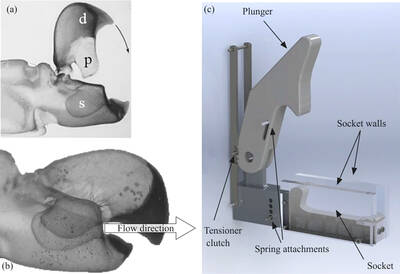
Few sea creatures of their size have as much destructive power as pistol shrimp. These small animals, usually measuring around four centimeters long, produce shock waves that can stun or even kill their prey. The attack begins when the shrimp opens its specialized claw, allowing water to fill a chamber inside. Then the claw closes rapidly. A bump on the claw strikes the chamber, forcing the trapped water out through a narrow opening at a high speed of about 25 meters per second. The rapid movement forms a bubble in the water that collapses almost instantly under the pressure of the

★ Bilingual Story is a fictionalized account. 雙語故事部分內容純屬虛構。 Rain hammered the roof in hard, uneven bursts. “Hold him still!” Baosheng pressed one hand against the stranger’s brow as the man twisted on the wooden bed. His left eye was swollen shut. The right one burned red like a coal. “It feels like fire,” the man gasped. “Like something is clawing inside.” Thunder rolled across the mountain. Baosheng leaned closer. The man’s skin was cold, but heat rose from his face. A strange smell hung in the air. He began the four methods of diagnosis: looking, listening/smelling,
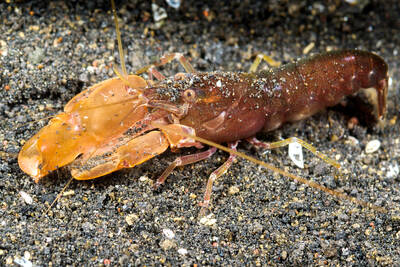
Continued from yesterday(延續自昨日) https://www.taipeitimes.com/News/lang One way to monitor marine biodiversity is to send divers down to take photos and notes; however, this method is expensive, time-consuming, and sometimes risky. On coral reefs, noise is an indicator of a healthy seabed. This is largely thanks to pistol shrimp, which often live inside sea sponges on coral reefs. The healthier the reef, the more pistol shrimp it hosts. This makes them perfect biological indicators. However, counting them visually is tricky because they often stay hidden. To address this, scientists turn to sound. Pistol shrimp snaps are loud, short, and rich in energy. They stand out


 RSS
RSS