


本文由生成式AI協作,本刊編輯編修。
Continued from yesterday(延續自昨日)
https://www.taipeitimes.com/News/lang
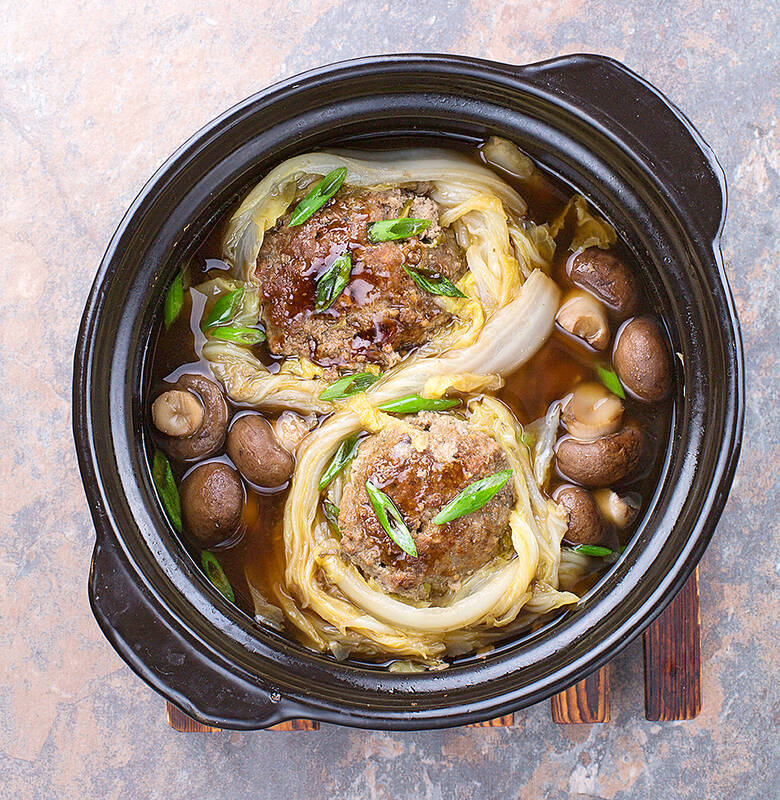
Photo: AdobeStock I 照片:AdobeStock
(D) Bonnie
I was so confused when I was offered black pudding in the UK. I was expecting a sweet dessert, but it’s a type of blood sausage made mainly from pork blood, fat, and oatmeal, giving it a dark black color. The word “pudding” in its Latin meaning refers to sausage rather than dessert.
(E) Lance

Photo: AdobeStock I 照片:AdobeStock
When I saw the name Lion’s Head at a Chinese restaurant, I thought they served real lion meat and hesitated to order it. However, I learned from the waiter that the dish is composed of large meatballs surrounded by vegetables. Its name comes from the meatball’s shape, which resembles a lion’s head, while the surrounding leafy greens symbolize its mane.
(F) Martin
I always thought muffins were supposed to be sweet and fluffy, but English muffins are poles apart. English muffins are round, flat breads with a dense, chewy texture. They are typically sliced in half, toasted, and served with butter, cheese, or eggs for breakfast.
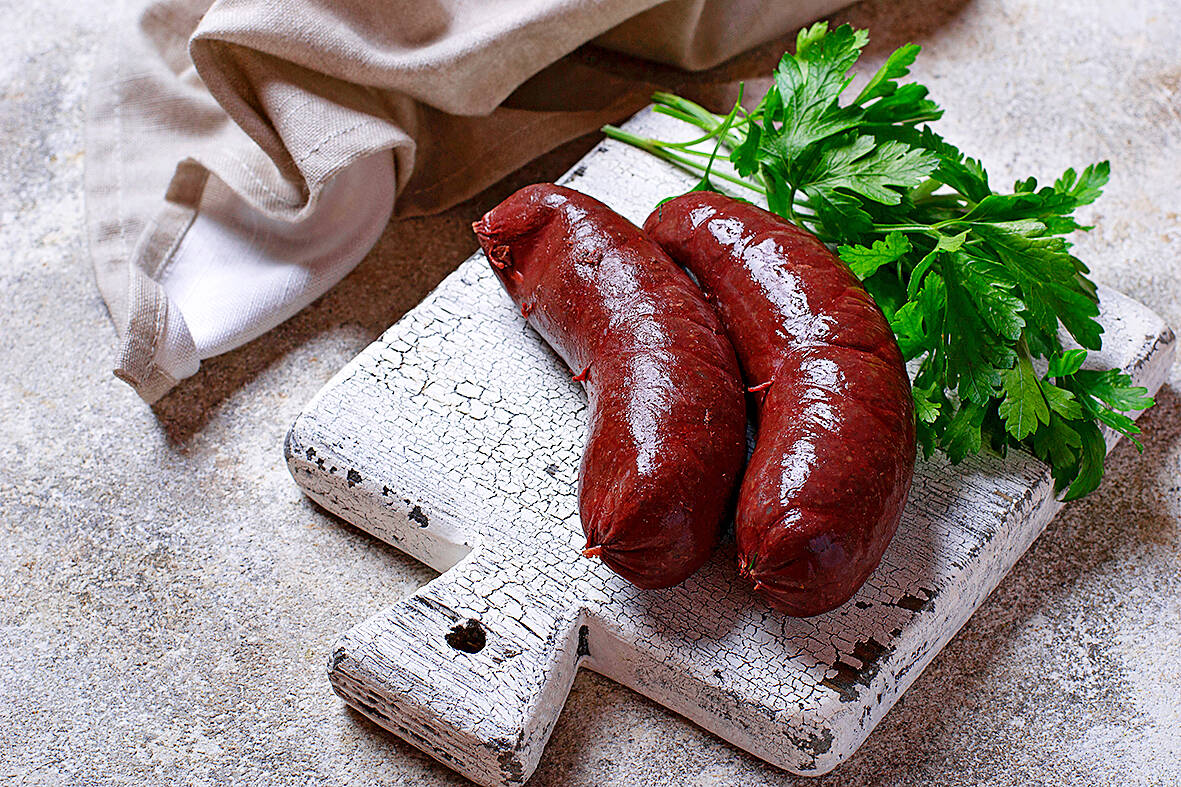
Photo: AdobeStock I 照片:AdobeStock
(G) Erin
I’m obsessed with Boston cream pie, although it’s not even a pie. I never thought of this contradiction until I saw it at a bakery. It turned out that cakes and pies used to be baked in the same pans, so the words were sometimes used interchangeably in the past.
(H) Phil
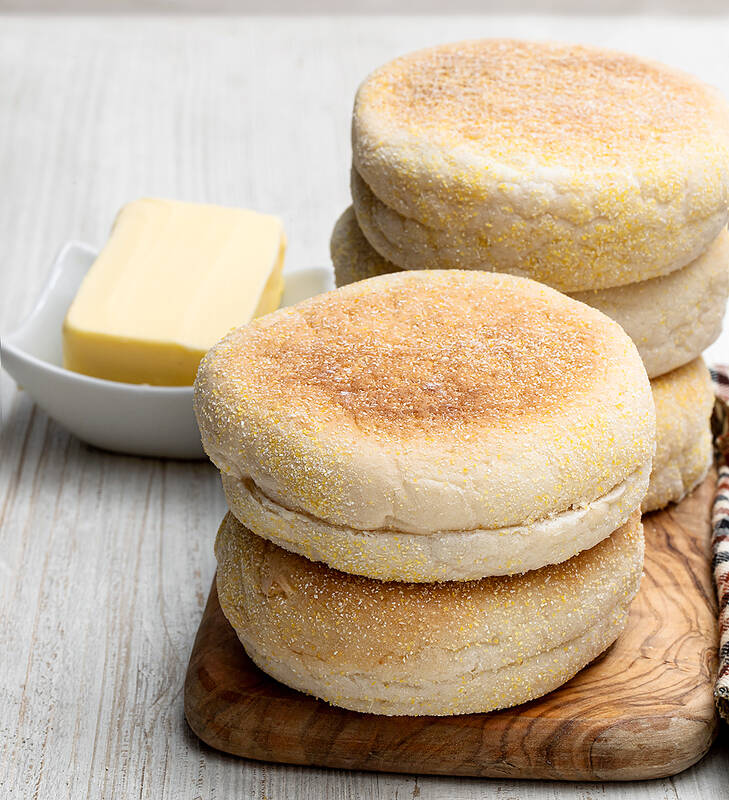
Photo: AdobeStock I 照片:AdobeStock
In biology class, I learned that peanuts are not nuts botanically, but legumes grown underground in pods like beans. They are called nuts because their nutritional value, especially protein, rivals that of real nuts.
(D) 邦妮
在英國有人請我吃黑布丁時,我感到很困惑。我原本預期這是一道甜點,但它是一種血腸,主要由豬血、脂肪和燕麥片製成,因此呈現深黑色。pudding 這個詞在拉丁文的意思指的是香腸而不是甜點。
(E) 蘭斯
當我在一家中式餐廳看到獅子頭這個名稱時,我以為他們提供真的獅子肉,很猶豫要不要點。但我從服務生口中得知,這道菜是由周圍擺放著蔬菜的大顆肉丸子所組成。其名稱來自肉丸的形狀(像獅子的頭),周圍的綠葉蔬菜則象徵獅子的鬃毛。
(F) 馬丁
我一直以為瑪芬應該是又甜又鬆軟的,但英式瑪芬完全不一樣。英式瑪芬是圓形的扁麵包,口感扎實又帶有嚼勁。通常會將其對半切片、烤過並加上奶油、起司或蛋當早餐吃。
(G) 艾琳
我對波士頓派著迷不已,雖然它甚至不算是派。直到我在一間麵包店看到波士頓派,我才意識到這個矛盾之處。原來,蛋糕和派曾經是在一樣的烤盤上烘烤,所以這兩個詞在過去有時可以互換使用。
(H) 菲爾
在生物課上,我學到花生在植物學上不是堅果,而是像豆子一樣生長於地下、豆莢內的豆科植物。花生(peanuts)被稱為nuts是因為其營養價值(尤其是蛋白質)媲美真正的堅果。
What Did You Learn?
(1) 請從文章中找出最適當的單詞填入下列句子空格中,並視句型結構需要做適當的字形變化,使句子語意完整、語法正確,並符合文意。限填一個單詞(word)。(填充)
Some foods are against people’s _____ as their names are different from what they actually are.
(2) From (A) to (H) in the above social media posts, which ONES mention foods that are named after their appearance? (多選題)
_________________________________________________________
(3) What does “the sour fruit” in the Day 1 passage refer to? (簡答)
_________________________________________________________
(4) Which word in the social media posts carries the meaning of “in a way that allows things to be used or substituted in place of each other”? (簡答)
_________________________________________________________
參考答案:
(1) expectations
(2) B / E
(3) pineapple
(4) interchangeably
Words in Use
1. confused a. 感到困惑的
We felt confused by the sudden role changes, so we asked our boss for the reasons behind them.
我們對於負責事項的突然改變感到困惑,所以去問了我們老闆原因為何。
2. surround vt. 圍繞,環繞
surrounding a. 周圍的
A group of people surrounded the street performer as he did some magic tricks.
那位街頭藝人在表演魔術時,有一群人圍著他觀看。
As I walk in a park, the surrounding plants always make me feel relaxed.
當我走在公園裡時,周圍的植物總讓我感到很放鬆。
3. dense a. 緊密的,密集的
Pound cakes are generally dense, moist, and heavy.
磅蛋糕通常是扎實、溼潤且濃郁的。
4. texture n. 口感
Adding butter to the soup gives it a smoother texture.
在那道湯品中加入奶油會讓其口感更滑順。
5. slice vt. 把……切片
Mom sliced some onions and dumped them into the pot.
媽媽切了一些洋蔥然後丟進鍋子裡。
Practical Phrases
1. refer to. . . 指的是∕意指……
In programming, the word “bug” refers to an error in the software.
在程式設計中,「bug」一詞指的是軟體中的錯誤。
2. hesitate to V 猶豫……
People hesitate to make changes in life even though they are unhappy with their current situation.
即使不滿現狀,人們仍會猶豫要不要在人生中做出改變。
3. be composed of. . . 由……組成
= be made up of. . .
= consist of. . .
The band is composed of amateur musicians.
該樂團是由業餘樂手組成的。
4. be obsessed with. . . 對……著迷
obsessed a. 著迷的
Gary has been obsessed with outer space since he was little.
蓋瑞從小就對外太空很著迷。
聽文章朗讀及講解: https://ivy.pse.is/455bfu
本文出自常春藤解析英語雜誌: www.ivy.com.tw

A: In addition to the biopic “Michael,” comedy “The Devil Wears Prada 2” is finally in theaters. I can’t believe it’s been 20 years since the 2006 debut of the original film. B: Does the sequel still revolve around the fashion industry? A: This time, “Miranda,” the fashion magazine editor-in-chief played by Meryl Streep, will team up with her former assistant “Andy,” played by Anne Hathaway, to fight against Emily, her other ex-assistant played by Emily Blunt. B: Isn’t the role of “Miranda” based on then US “Vogue” editor-in-chief Anna Wintour? A: Yup, it established Anna’s fashion status, influenced pop culture
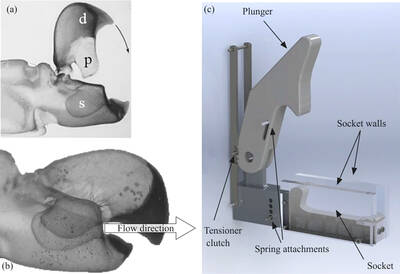
Few sea creatures of their size have as much destructive power as pistol shrimp. These small animals, usually measuring around four centimeters long, produce shock waves that can stun or even kill their prey. The attack begins when the shrimp opens its specialized claw, allowing water to fill a chamber inside. Then the claw closes rapidly. A bump on the claw strikes the chamber, forcing the trapped water out through a narrow opening at a high speed of about 25 meters per second. The rapid movement forms a bubble in the water that collapses almost instantly under the pressure of the

★ Bilingual Story is a fictionalized account. 雙語故事部分內容純屬虛構。 Rain hammered the roof in hard, uneven bursts. “Hold him still!” Baosheng pressed one hand against the stranger’s brow as the man twisted on the wooden bed. His left eye was swollen shut. The right one burned red like a coal. “It feels like fire,” the man gasped. “Like something is clawing inside.” Thunder rolled across the mountain. Baosheng leaned closer. The man’s skin was cold, but heat rose from his face. A strange smell hung in the air. He began the four methods of diagnosis: looking, listening/smelling,
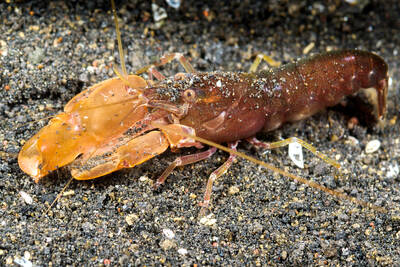
Continued from yesterday(延續自昨日) https://www.taipeitimes.com/News/lang One way to monitor marine biodiversity is to send divers down to take photos and notes; however, this method is expensive, time-consuming, and sometimes risky. On coral reefs, noise is an indicator of a healthy seabed. This is largely thanks to pistol shrimp, which often live inside sea sponges on coral reefs. The healthier the reef, the more pistol shrimp it hosts. This makes them perfect biological indicators. However, counting them visually is tricky because they often stay hidden. To address this, scientists turn to sound. Pistol shrimp snaps are loud, short, and rich in energy. They stand out


 RSS
RSS