


A: The National Palace Museum (NPM) has launched an exhibition, titled “From Impressionism to Early Modernism.” There are 81 masterpieces from the Metropolitan Museum of Art on display now.
B: The exhibit, held to celebrate the NPM’s centennial, must be so spectacular.
A: It includes artworks by 38 artists, such as Renoir, van Gogh, Cezanne, Matisse and Gauguin.
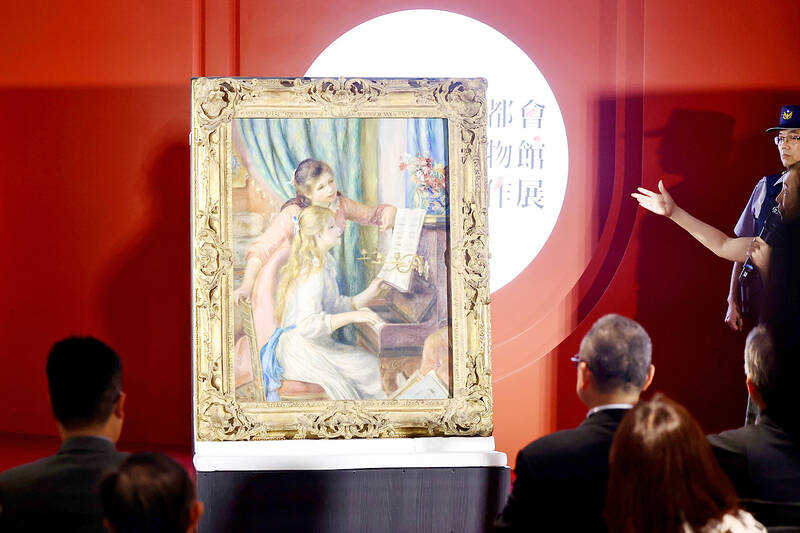
Photo: CNA 照片:中央社
B: The Fubon Art Museum has also launched an exhibit featuring a number of artworks of Impressionism, including Monet’s “Water Lilies.”
A: And the New Taipei City Art Museum just had its grand opening, so there are even more exhibitions to attend.
A: 故宮博物院推出特展︰「從印象派到現代主義」,展出81幅來自大都會藝術博物館名畫。
B: 為歡慶故宮百年院慶,這場展覽一定超精彩!
A: 這次展出38位藝術大師的名作,包括雷諾瓦、梵谷、塞尚、馬諦斯、高更……等人。
B: 富邦美術館也推出特展 ,展出多件印象派真跡 ,包括大師莫內的傑作「睡蓮」。
A: 而新北市美術館盛大開幕,又有更多展覽可看啦。
(By Eddy Chang, Taipei Times/台北時報張迪)

A: In addition to the biopic “Michael,” comedy “The Devil Wears Prada 2” is finally in theaters. I can’t believe it’s been 20 years since the 2006 debut of the original film. B: Does the sequel still revolve around the fashion industry? A: This time, “Miranda,” the fashion magazine editor-in-chief played by Meryl Streep, will team up with her former assistant “Andy,” played by Anne Hathaway, to fight against Emily, her other ex-assistant played by Emily Blunt. B: Isn’t the role of “Miranda” based on then US “Vogue” editor-in-chief Anna Wintour? A: Yup, it established Anna’s fashion status, influenced pop culture
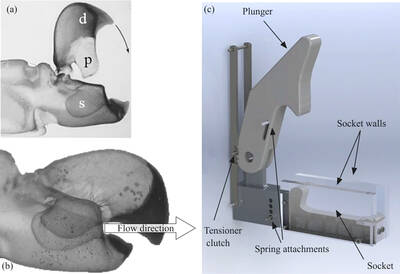
Few sea creatures of their size have as much destructive power as pistol shrimp. These small animals, usually measuring around four centimeters long, produce shock waves that can stun or even kill their prey. The attack begins when the shrimp opens its specialized claw, allowing water to fill a chamber inside. Then the claw closes rapidly. A bump on the claw strikes the chamber, forcing the trapped water out through a narrow opening at a high speed of about 25 meters per second. The rapid movement forms a bubble in the water that collapses almost instantly under the pressure of the

★ Bilingual Story is a fictionalized account. 雙語故事部分內容純屬虛構。 Rain hammered the roof in hard, uneven bursts. “Hold him still!” Baosheng pressed one hand against the stranger’s brow as the man twisted on the wooden bed. His left eye was swollen shut. The right one burned red like a coal. “It feels like fire,” the man gasped. “Like something is clawing inside.” Thunder rolled across the mountain. Baosheng leaned closer. The man’s skin was cold, but heat rose from his face. A strange smell hung in the air. He began the four methods of diagnosis: looking, listening/smelling,
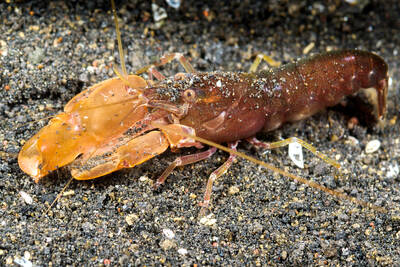
Continued from yesterday(延續自昨日) https://www.taipeitimes.com/News/lang One way to monitor marine biodiversity is to send divers down to take photos and notes; however, this method is expensive, time-consuming, and sometimes risky. On coral reefs, noise is an indicator of a healthy seabed. This is largely thanks to pistol shrimp, which often live inside sea sponges on coral reefs. The healthier the reef, the more pistol shrimp it hosts. This makes them perfect biological indicators. However, counting them visually is tricky because they often stay hidden. To address this, scientists turn to sound. Pistol shrimp snaps are loud, short, and rich in energy. They stand out


 RSS
RSS