


>> Bilingual Story is a fictionalized account 雙語故事部分內容純屬虛構<<
In the heart of a busy Taipei night market, under rows of glowing red lanterns, Detective Lee started her “foodie” mission to find the most distinctive Taiwanese night market snack. As aromas flowed through the air, she navigated a maze of flavors, each stall offering its own piece of Taiwan’s rich food culture.
Bubble Tea
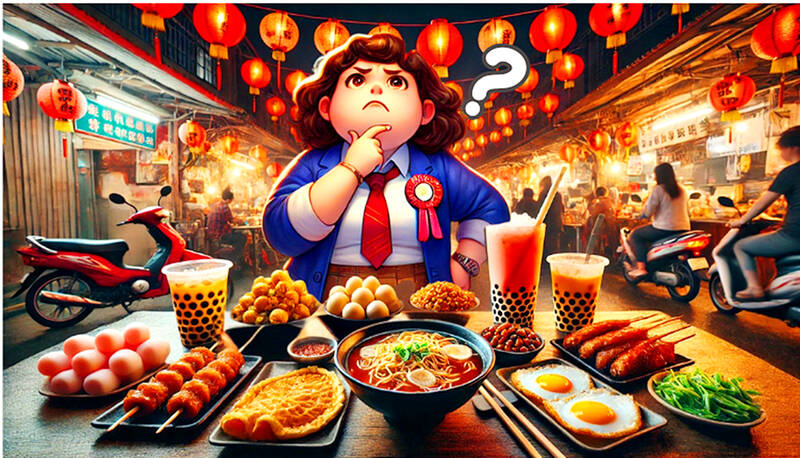
Photo: AI 照片:AI
She first started with a sip of Taiwan’s iconic Bubble Tea. The sweet, milky tea filled with chewy tapioca pearls was delicious. It wasn’t just a drink but a cultural phenomenon representing the playful spirit of Taiwan’s culinary creativity.
Stinky Tofu
Lee then tried stinky tofu, a street food icon known for pungent smell. She was always amazed at how the fermentation process transformed the tofu into a delicacy with a complex taste beneath its golden exterior.
Taiwanese Fried Chicken / Deep-fried Squid
Next, the Taiwanese fried chicken caught her attention. Its savory taste and crunchy texture is the perfect example of Taiwanese people’s love of bold flavors. As Lee continued, she tasted and enjoyed the chewy texture savory taste of the deep-fried squid, a reminder of the island’s dependence on the sea.
Beef Noodles
Deciding to warm up in the winter evening chill, Lee enjoyed a bowl of beef noodles. Its spicy broth offered comfort and a burst of hearty flavors to nourish her soul.
Oyster Omelet
The next stop was oyster omelet, a beloved dish at the night market. Small, chewy oysters were mixed into an egg batter, thickened with sweet potato starch to create a creamy texture that contrasted beautifully with the crispy edges once fried. Fresh leafy greens added a splash of color and a refreshing crunch to enhance the savory flavors, and the slightly spicy sauce complemented the salty taste of the oysters. But it was more than its taste that made the oyster omelet special. This dish was like history on a plate. Originating from the coastal areas of Taiwan where oysters are plentiful, the oyster omelet symbolizes the island’s resourcefulness and the blending of land and sea. The oyster omelet isn’t just a food; it is a story of Taiwan’s history, its people, and their connection to the environment.
在繁忙的台北夜市中心,一排排紅燈籠的照耀下,李偵探開始了她的「老饕」任務:尋找最具特色的台灣夜市小吃。隨著香氣在空氣中流動,她在一個充滿各種氣味的迷宮中探索著,每個攤位提供著臺灣飲食文化的一隅,展現各自獨特的風味。
珍珠奶茶
她先啜飲了一口台灣獨具代表性的珍珠奶茶。香甜的奶茶,充斥著 Q 彈有嚼勁的珍珠,美味無比。這不僅僅是一種飲料,更是一種文化現象,代表了台灣烹飪創意的玩味精神。
臭豆腐
接著,李偵探嘗試了臭豆腐,這是一種以刺鼻氣味聞名的街頭小吃。她總是驚嘆於發酵過程如何將豆腐轉變為一種外皮金黃、內裡味道複雜的美食。
鹽酥雞、炸魷魚
緊接著,台灣的鹽酥雞吸引了她的注意。其鹹香的味道和酥脆的質地完美體現了台灣人對大膽風味的喜愛。隨著李偵探繼續她的探索,她品嚐並享受了炸魷魚那具有嚼勁的口感和鹹香的滋味,這讓她想起了台灣對海洋的依賴。
牛肉麵
為了在寒冷的冬夜中暖暖身,李偵探享用了一碗牛肉麵。其辛辣的湯汁迸發出的濃郁滋味所帶來的慰藉滋養著她的靈魂。
蚵仔煎
下一站是蚵仔煎,這是夜市中極受歡迎的一道小點。小小的、有嚼勁的蚵仔被混入蛋液中,加入地瓜粉增稠,創造出一種濃稠的質地,與煎炸後的酥脆邊緣形成美麗的對比。新鮮的葉菜增添了一抹色彩和清新的脆感,增強了鹹香的味道,而微辣的醬汁則與蚵仔的鹹味相得益彰。但蚵仔煎之所以特別,不僅僅在於它的味道。這道菜就像是餐盤中的歷史。蚵仔煎起源於台灣沿海地區,那裡蚵仔豐富,蚵仔煎象徵著台灣的資源豐富以及陸地與海洋的融合。蚵仔煎不僅僅是一種食物;它是台灣歷史、人民及其與環境聯繫的故事。
Epilogue 故事討論
As Detective Lee concluded her mission, the choice was crystal clear. Among all of the delicious night market offerings, the oyster omelet rose above the rest as the most distinctive Taiwanese snack. Its deep cultural roots and exceptional culinary characteristics made it not just a meal, but an experience — a true taste of Taiwan.
當李偵探結束她的任務時,她的選擇顯而易見。在所有美味的夜市小吃中,蚵仔煎脫穎而出,成為最具特色的台灣小吃。其深厚的文化根源和卓越的烹飪特性使它不僅僅是一道餐點,而是一種體驗——一種真正的台灣味。
Vocabulary 單字片語
1. mission 任務
2. night market 夜市
3. stall 攤販、攤位、貨攤
4. foodie 老饕、吃貨、美食家
5. snack 小吃、點心、快餐
6. bubble tea (also known as bubble milk tea, pearl milk tea, boba tea or boba) 珍珠奶茶
7. chewy (有)嚼勁
8. stinky tofu 臭豆腐
9. pungent 刺鼻
10. Taiwanese fried chicken 鹽酥雞
11. savory 鹹香/鹹的
12. deep-fried squid 炸魷魚
13. beef noodles 牛肉麵
14. spicy 辛辣
15. oyster omelet 蚵仔煎
16 crispy 酥脆
Idioms 相關成語
1. crystal clear 顯而易見
2. rise above the rest 脫穎而出
Nigel P. Daly is a writer with a language learning newsletter called Chin-glish bilingual lab (https://ndaly.substack.com).
Cynthia Chen is a translator and writer specializing in blogs, scripts and articles.
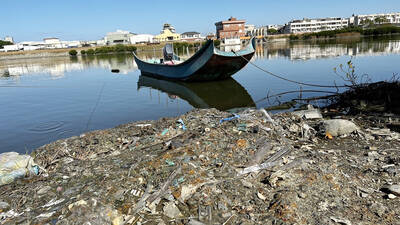
Many consumers are guilty of filling drawers or closets with old laptops, cellphones, fitness trackers and other electronic devices once they are no longer needed. It’s hard to know where to recycle such items, or it seems costly and inconvenient to do so. The world generates millions of tons of electronic waste — also called e-waste — each year. According to the UN’s most recent estimate, people worldwide produced 62 million metric tons of e-waste in 2022, and only about 22 percent of it was properly recycled. The US’ Environmental Protection Agency estimates that less than a quarter of e-waste is
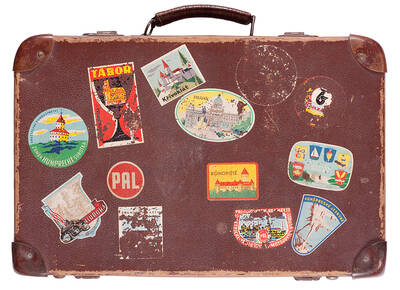
Travel fever is back, and it’s contagious. After years of being kept home during the COVID-19 pandemic, people are once again eager to explore the world. Rather than just book any trip, travelers are getting smarter about how they scratch that travel itch. Microcation Defined as four days or fewer and over 160km away from home, the microcation perfectly matches the post-pandemic mindset. After long periods of remaining indoors, people are making up for lost time by taking short, frequent getaways throughout the year. These brief trips avoid the work-life imbalance that comes with long absences. With only a few days away, one’s

You’re sitting in class when a classmate asks to borrow a pencil. It seems like a small favor, so you agree without hesitation. The following week, the same classmate asks to share your notes. Later, they request help with a group project. You agree each time — after all, you helped out the first time — but before you know it, it has become automatic. This scenario demonstrates the “foot-in-the-door technique,” a psychological concept that shows how agreeing to small, acceptable demands makes it easier to accept larger ones later on. The name for this strategy comes from door-to-door

Continued from yesterday(延續自昨日) https://www.taipeitimes.com/News/lang Gig Tripping “Gig tripping” combines concerts with travel. People fly to see their favorite artists perform — usually abroad—and spend a few days sightseeing before or after the show. While die-hard fans have done this since the 1960s, the post-pandemic travel boom changed the game. Even people who aren’t superfans are now booking international concert trips because they want to make the most of travel opportunities. This trend exploded in the US, as the math makes sense. Domestic concert tickets are so costly that flying abroad for the show plus tourism expenses often matches or even beats the price


 RSS
RSS