


新冠疫情期間,媒體曾經報導「廣州零號感染源,疑透過餐廳空調傳播」,之前媒體也常出現「零號病人」之類的報導,諸如:「義大利 0 號病人出院,遭起底竟是......」,「紐約確診人數近6萬,……零號病人出院」。
所謂「零號病人」,就是台灣平常我們說的「首例」。如:「台首例武漢肺炎病患出院」,【獨家專訪】台灣首例武漢肺炎確診個案治癒過程!
「零號病人」英文叫 patient zero 或 index case,其實就是某個國家/地區第一個列入紀錄的案例。關於 index case,Wikipedia 的定義如下:
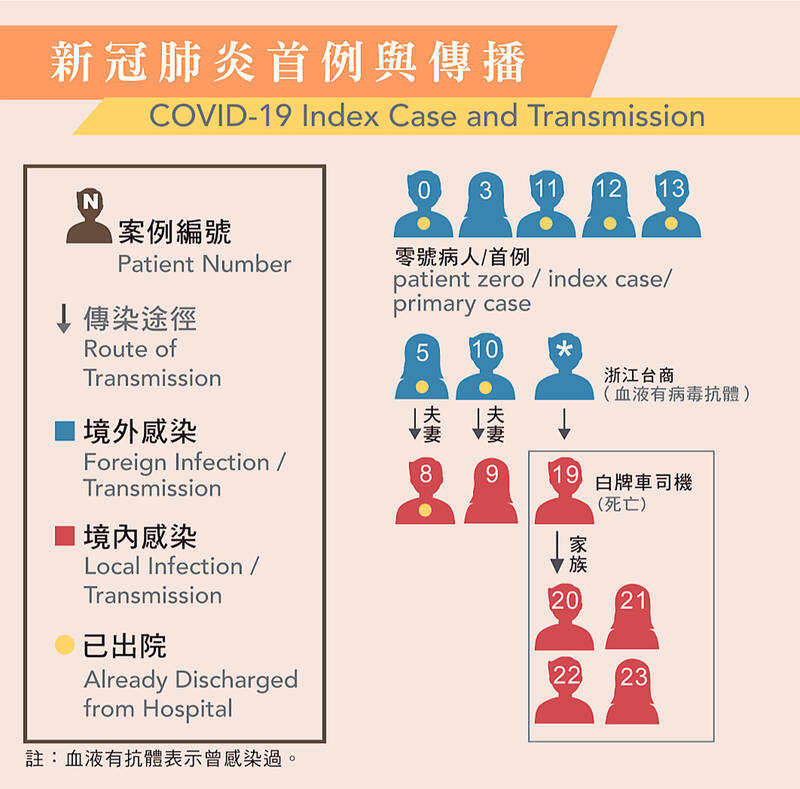
Photo/Graphic courtesy of Bookman l 圖片:書林
The index case (sometimes referred to as patient zero) is the first documented patient in a disease epidemic within a population, or the first documented patient included in an epidemiological study.
為何第一個案例會說成patient zero?BBC 有一則關於新冠肺炎的報導裡提到它的由來:
愛滋病流行期間意外創造了「零號病人」一詞。80年代初期,美國美國疾病管制與預防中心(Centers for Disease Control and Prevention)的研究人員調查愛滋病在洛杉磯和舊金山的傳播時,以英文字母O來指「加州以外」(outside of California) 的某個案例。其他研究人員誤將這代表外州 (outside) 的字母“O”,解讀為數字“0”,因此「零號病人」的說法就這樣誕生了。
…patient zero is a term used to describe the first human infected by a viral or bacterial disease in an outbreak…. Whilst investigating the spread of the disease…researchers…used the letter “O” to refer a case of someone “outside the state of California.”
Other researchers wrongfully interpreted the letter as a number 0 – and so the concept of patient zero was born. (Fernando Duarte, BBC, February 24, 2020)
在台灣,我們的日常生活中也出現類似的例子:很多人以為「OK 便利商店」英文唸作OK Convenience Store,其實在美國叫Circle K,Circle K Stores, Inc. is an American chain of convenience stores headquartered in Tempe, Arizona. 我們則是化「零/圈」為字母O!
文章由書林出版公司提供:
www.bookman.com.tw
蘇正隆 — 台灣翻譯學學會前理事長、師大翻譯研究所兼任副教授; 編著《英語的對與錯》,《世紀病毒:必讀防疫英文知識與詞彙》...等

Have you ever found yourself desperately feeding coins into a claw machine just because you’ve already spent so much trying to win that stuffed animal? Or maybe you’ve continued watching a boring movie simply because you already paid for the ticket? If so, you’ve experienced the “sunk cost fallacy.” A sunk cost refers to time, money or effort that has already been spent and cannot be recovered. This psychological trap is surprisingly common. You might keep playing a video game you no longer enjoy because you’ve invested countless hours in building your character, or maintain a toxic friendship because you’ve known

A: Which TV drama series have been global hits so far this year? B: The US drama “Stranger Things 5,” South Korean drama “Can This Love Be Translated?” and Chinese megahit “Pursuit of Jade” are all popular lately. A: Isn’t “Pursuit of Jade” the costume idol drama about the romance between a charming marquis and a pig-slaughterer? Actor Zhang Linghe and actress Tian Xiwei are both so attractive. B: Plus, Netflix’s Korean-Japanese gay romance drama “Soul Mate” — starring Korea’s Ok Taec-yeon and Japan’s Hayato Isomura — is set to premiere in May. A: These hit international dramas
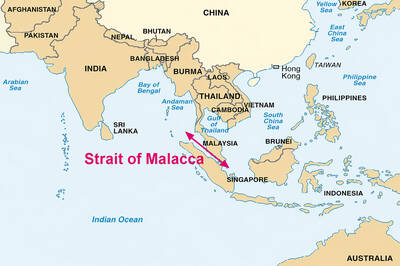
The closure of the Strait of Hormuz has forced policymakers in Asia to face questions over the security of other maritime chokepoints, including the Strait of Malacca, which is the world’s busiest waterway for international trade. WHAT IS THE MALACCA STRAIT? The 900km long Malacca Strait, bounded by Indonesia, Thailand, Malaysia and Singapore, provides the shortest sea route from East Asia to the Middle East and Europe. It carries nearly 22 percent of the world’s maritime trade, according to the Center for Strategic and International Studies (CSIS). This includes oil and gas shipments from the Middle East to the energy-hungry economies of China,
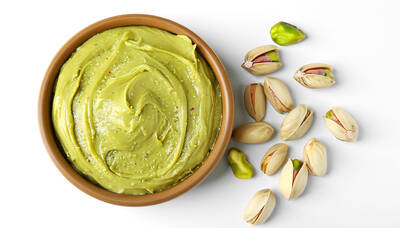
It seems like every year, new foods or drinks start trending and suddenly show up everywhere. A decade ago, avocado __1__ restaurant menus, while oat milk became the must-have addition to your coffee in cafes around five years back. The latest trend to hit this list is the pistachio. This flavorful green nut now features in everything from chocolate bars to Indian curries. While pistachios have long played a central role in certain regional cuisines, their recent global __2__ can be traced to Dubai. There, a specialty chocolate shop went __3__ on TikTok for one of its chocolate bars


 RSS
RSS