


In Taiwan, a quick stop at a local convenience store allows you to grab a hot dog whenever you want. But have you ever wondered how this popular snack got its unique name and became a leading light of American cuisine?
First, the name “hot dog” is actually a combination of different ideas. Vendors called the sausages “red hot” to get customers to buy one fresh off their grills. As for the “dog” part, it’s a playful joke to compare the meat of the sausage to that of a dog—specifically , a dachshund. This small, long dog breed was introduced to the US by German immigrants , just like the hot dog itself.
Speaking of German immigrants, they probably played a role in the way we eat hot dogs today. It’s said that back in the 1860s, German immigrant Charles Feltman established the first hot dog stand at Coney Island in New York. To make it easier for visitors to enjoy his treats while they wandered around, he placed sausages in buns. This creative idea gradually caught on, and hot dogs with buns became an American classic.
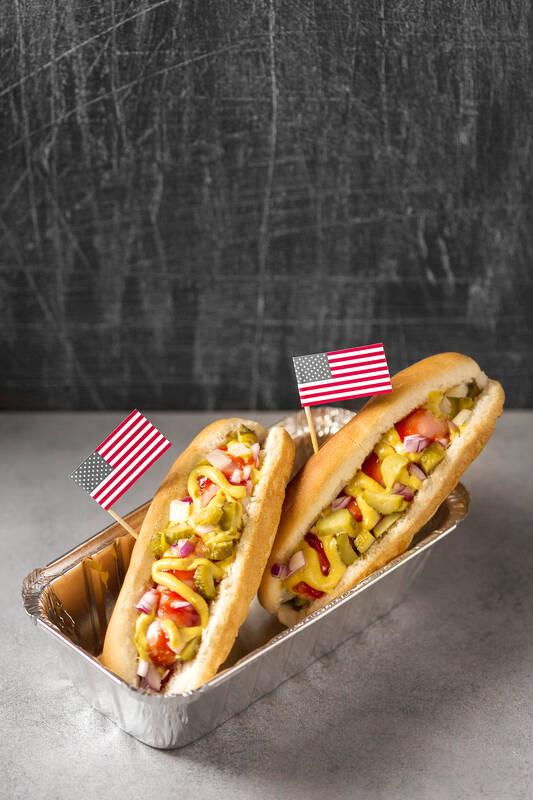
Photo: Wikimedia Commons / 照片:維基共享資源提供
In fact, Feltman’s contribution is just one of the many theories about the origin of this successful pair. So, the next time you’re hungry, grab a hot dog and enjoy this slice of Americana for yourself!
在臺灣,當你想吃熱狗時,只要到當地的便利商店快速停留一下,隨時都可以買得到。但你有沒有想過這款受歡迎的小吃是如何得到其獨特名稱並成為美國美食的重要品項呢?
首先,「熱狗」這個名字實際上是不同想法結合之下的產物。攤販將肉腸稱為「正紅正熱的」,好讓顧客來買烤好剛下烤爐的熱狗。至於「狗」的部分,這是一個俏皮的玩笑,將肉腸的肉拿來比作狗肉—具體來說,是臘腸狗這種狗。這種小巧長身的犬種是由德國移民引入美國的,就像熱狗本身一樣也是。
說到德國移民,他們或許對當今我們食用熱狗的方式發揮了影響。據說在西元 1860 年代,德國移民查爾斯‧費爾特曼在紐約康尼島開設了第一個熱狗攤。為了讓遊客在四處逛逛時能更容易品嘗他的美食,他將肉腸放在麵包裡。這個有創意的想法逐漸流行起來,熱狗配麵包便成為了美國的經典。
事實上,費爾特曼的貢獻只是有關這對成功搭配的起源的眾多理論之一。所以下次當你餓的時候,快去來一根熱狗,並親自享受這份美式風情吧!
MORE INFORMATION
leading light 重要成員
cuisine n. 美食
vendor n. 小販
grill n. 烤架
Americana n. 具有美式風情的事物
KEY VOCABULARY
1. grab v. 匆忙地做;趕緊地做;拿取
Let’s grab a bite to eat at the cafe after the movie, shall we?
看完電影後,我們就去咖啡廳趕快吃點東西吧?
2. playful adj 鬧著玩的;俏皮的
A group of children enjoyed a playful snowball fight on the winter afternoon.
一群孩子在冬日的午後享受著一場嬉鬧的打雪仗。
3. specifically adv. 具體地;明確地
In the e-mail, the meeting time and location were specifically stated for everyone’s convenience.
為了方便大家,電子郵件中具體註明了碰面的時間和地點。
4. immigrant n. (外來的)移民
The city’s history is shaped by immigrants from around the world seeking better opportunities.
這座城市的歷史是由來自世界各地、尋求更好機遇的移民所塑造的。
5. play a role in 在……方面發揮作用;對……造成影響
Teachers play an important role in shaping the future by educating and inspiring students.
老師透過教育和啟發學生在塑造未來方面發揮著重要作用。
6. wander v. 漫步;閒逛
The cat likes to wander around the neighborhood, exploring different yards and alleys.
這隻貓喜歡在鄰里附近閒逛,探索不同的院子和小巷。
7. theory n. 理論;學說
Scientists work hard to develop a theory that explains the mysterious phenomena
observed in space.
科學家們努力發展理論來解釋在太空中觀察到的神祕現象。
學習音檔: https://magazine.english4u.net/Magdata/menu/5o4pk
《空中美語》雜誌APP免費下載: https://www.english4u.net/apps/index.aspx
免費收聽當月《空中美語》雜誌課文朗讀及解析 !
文章由AMC空中美語授權使用: https://www.english4u.net
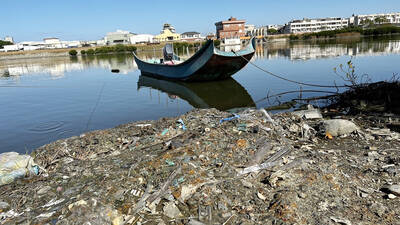
Many consumers are guilty of filling drawers or closets with old laptops, cellphones, fitness trackers and other electronic devices once they are no longer needed. It’s hard to know where to recycle such items, or it seems costly and inconvenient to do so. The world generates millions of tons of electronic waste — also called e-waste — each year. According to the UN’s most recent estimate, people worldwide produced 62 million metric tons of e-waste in 2022, and only about 22 percent of it was properly recycled. The US’ Environmental Protection Agency estimates that less than a quarter of e-waste is
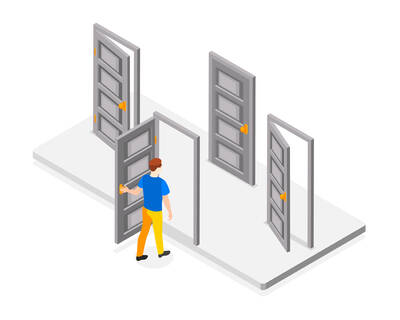
You’re sitting in class when a classmate asks to borrow a pencil. It seems like a small favor, so you agree without hesitation. The following week, the same classmate asks to share your notes. Later, they request help with a group project. You agree each time — after all, you helped out the first time — but before you know it, it has become automatic. This scenario demonstrates the “foot-in-the-door technique,” a psychological concept that shows how agreeing to small, acceptable demands makes it easier to accept larger ones later on. The name for this strategy comes from door-to-door

A: The four-day Tomb Sweeping Day long weekend begins Friday and will run until Monday. Are you going to sweep your ancestors’ tombs? B: I did in advance last weekend, so I can go to Kaohsiung to see the musical “The Phantom of the Opera.” A: Wow, is “Phantom” touring Taiwan again? It debuted in 1986, so this year marks the 40th anniversary of the show. B: And it’s not just touring Kaohsiung starting March 31, but also Taipei starting April 21 and Taichung starting May 26. A: “Phantom” is one of the world’s Four Major Musicals. I’ve seen all of them, except “Les

Dos & Don’ts — 想想看,這句話英語該怎麼說? 1. 我們很早到達電影院。 ˇ We arrived at the theater very early. χ We arrived the theater very early. 註︰arrive 為不及物動詞,後面如果有受詞要用 at 或 in。例如:They arrived in Taipei yesterday.。一般大地方,如國家、省、大城市等前面用 in,凡小地方城鎮、學校等則用 at。 2. 開車半小時以後,我們到達了海灘。 ˇ After half an hour’s drive, we got to the beach. χ After half an hour’s drive, we got the beach. 註︰come, go, get(來、去、到達)某地時,在表示地點的名詞前面應該用 to,如 go to school, go to Taipei, come to Shanghai 等。如果這些動詞後面所跟的是 here, there, home 等副詞,則不用 to。 3. 明天我會回辦公室。 ˇ I will be back in the office tomorrow. χ I will be back to office tomorrow. 註︰to be back 一語裡的 back 是副詞,不是介詞,所以後面要用 at (the market) 或 in (the office)。 假如假期結束,要回學校上課了則可說: ? Kids will be back


 RSS
RSS