


Australia will ban imports of disposable vapes from Jan. 1 next year, the government said on Nov. 28, slamming the devices as recreational products that children can become addicted to.
The block on single-use vapes is aimed at reversing a “disturbing” increase in vaping among young people, Australian Health Minister Mark Butler said.
Australia first revealed the import ban in May but had not given a start date until now.
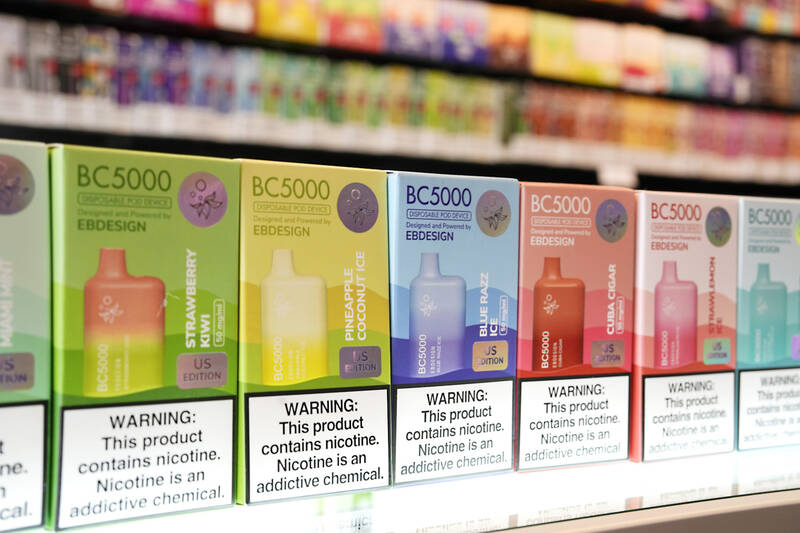
Photo: AP 照片:美聯社
Vaping had been sold to governments as a tool to help long-term smokers quit, Butler said.
“It was not sold as a recreational product, especially not one targeted to our kids, but that is what it has become,” the minister said.
“The great majority of vapes contain nicotine, and children are becoming addicted.”
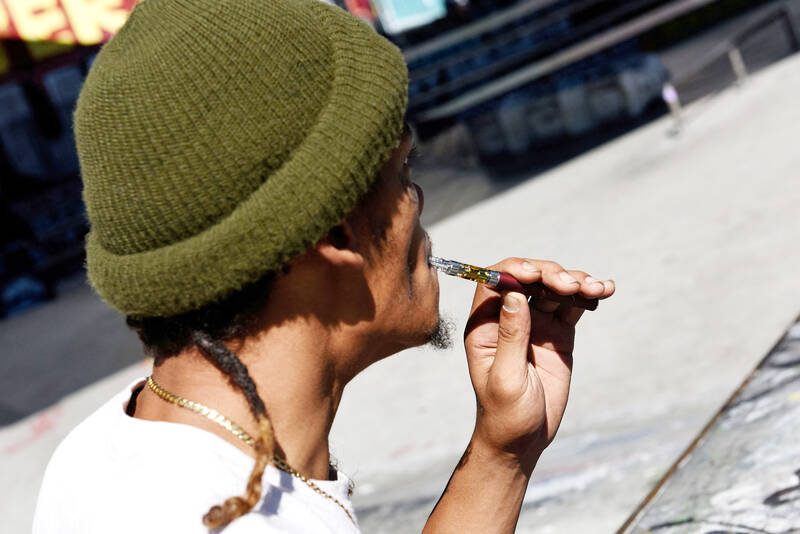
Photo: Reuters 照片:路透
About one in seven children aged 14-17 uses vapes, the government said in a statement.
It cited “consistent evidence” that young Australians who vape are about three times more likely to take up tobacco smoking.
Legislation will also be introduced next year to outlaw the manufacture, advertising or supply of disposable vapes in Australia, the government said.
The ban was hailed by the Australian Medical Association.
“Australia has been a world leader in reducing smoking rates and the subsequent health harms, so the government’s decisive action to stop vaping in its tracks and prevent further harm is very welcome,” said association president Steve Robson.
‘Dangerous gateway’
The government said it was also introducing a scheme to enable doctors and nurses to prescribe vapes “where clinically appropriate” from Jan. 1.
Australia has a long record of fighting smoking.
In 2012, it became the first country to introduce “plain packaging” laws for cigarettes — a policy since copied by France, Britain and others.
High taxes have pushed up the price of a packet to about Aus$50 (US$33).
For some people who would otherwise never have smoked, vaping is a “dangerous gateway” to tobacco, said Kim Caudwell, senior lecturer in psychology at Australia’s Charles Darwin University.
“So you can understand how at the population level, increased vaping and a resurgence of tobacco use will impact population health in the future.”
Neighboring New Zealand until recently stood alongside Australia at the forefront of the battle against smoking.
But its new conservative coalition government, which took power last month, has now promised to scrap a so-called “generational smoking ban” that would have stopped sales of tobacco to anyone born after 2008.
“I was absolutely shocked and appalled. It is one of the worst days I can remember for public health,” University of Otago tobacco control expert Richard Edwards told AFP.
“It is public health vandalism.”
(AFP)
澳洲政府11月28日表示,將自明年1月1日起禁止進口拋棄式電子煙,並抨擊說這種裝置是讓兒童上癮的消遣產品。
衛生部長馬克‧巴特勒表示,禁止拋棄式電子煙是為了要扭轉年輕人吸電子煙「令人不安」的成長趨勢。
澳洲先在五月公布了進口禁令,但直到現在才給出禁令生效之日期。
巴特勒說,電子煙賣給政府是用作幫助長期吸菸者戒菸的工具。
「它不是當作消遣產品來賣的,尤其不是要賣給我們的孩子,但已經變這樣了」,部長表示。
「絕大多數的電子煙都含有尼古丁,孩子們正在上癮」。
政府在聲明中表示,14至17歲的兒童大約有七分之一在吸電子煙。
它引用了「一致的證據」,顯示吸電子煙的澳洲年輕人,之後抽菸的可能性約為其他人的三倍。
政府表示,2024年還將推出立法,禁止在澳洲製造、廣告或供應拋棄式電子煙。
澳洲醫學協會對此進口禁令表示歡迎。
協會主席史提夫‧羅布森表示:「澳洲在降低吸菸率及其所造成之健康危害方面一直處於世界領先地位,因此政府制止電子煙並防止進一步危害的果斷行動是非常受歡迎的」。
「危險的門戶」
政府表示,它還推出了一項計畫,使醫生和護士能夠從1月1日起「在臨床適當的情況下」開立電子煙處方。
澳洲在打擊吸煙方面有著悠久的記錄。
2012年,它成為第一個引入香菸「素面包裝」〔又稱「全菸害警示包裝」〕法律的國家—這項政策後來被法國、英國和其他國家仿效。
所課的重稅,已將菸品的價格推高至每包約50澳元(33美元)。
澳洲查爾斯達爾文大學心理學高級講師金‧考德威爾表示,對於一些原本不吸菸的人來說,電子煙是通往菸草的「危險門戶」。
「因此,我們可以了解在人口層面上,電子煙的增加與菸草再度興起將會如何影響未來的人口健康」。
直到不久前,鄰國紐西蘭還跟澳洲一起站在對抗吸煙的最前線。
但是,上個月剛上台的紐西蘭保守派聯合政府現已承諾廢除所謂的「無菸世代」禁令,該政策禁止將菸草銷售給2008年以後出生的任何人。
「我感到非常震驚膽寒。這是我有記憶以來公共衛生最黑暗的日子之一」。奧塔哥大學菸草控制專家理查‧愛德華茲告訴法新社。
「這是對公共衛生的破壞行為」。
(台北時報林俐凱編譯)
The US-Israeli war with Iran, which began on Feb. 28, has killed thousands of people, destabilized the Middle East and rocked global energy markets by effectively closing the strait. WHAT IS THE STRAIT OF HORMUZ? Lying between Oman and Iran and linking the Gulf north of it with the Gulf of Oman to the south and the Arabian Sea beyond, the strait is 33km wide at its narrowest point, with a shipping lane just 3km wide in either direction. Perhaps the world’s most important energy shipping channel, the waterway is about 167km long. Following through on an old threat, Tehran effectively closed the strait
Have you ever found yourself desperately feeding coins into a claw machine just because you’ve already spent so much trying to win that stuffed animal? Or maybe you’ve continued watching a boring movie simply because you already paid for the ticket? If so, you’ve experienced the “sunk cost fallacy.” A sunk cost refers to time, money or effort that has already been spent and cannot be recovered. This psychological trap is surprisingly common. You might keep playing a video game you no longer enjoy because you’ve invested countless hours in building your character, or maintain a toxic friendship because you’ve known

A: Which TV drama series have been global hits so far this year? B: The US drama “Stranger Things 5,” South Korean drama “Can This Love Be Translated?” and Chinese megahit “Pursuit of Jade” are all popular lately. A: Isn’t “Pursuit of Jade” the costume idol drama about the romance between a charming marquis and a pig-slaughterer? Actor Zhang Linghe and actress Tian Xiwei are both so attractive. B: Plus, Netflix’s Korean-Japanese gay romance drama “Soul Mate” — starring Korea’s Ok Taec-yeon and Japan’s Hayato Isomura — is set to premiere in May. A: These hit international dramas
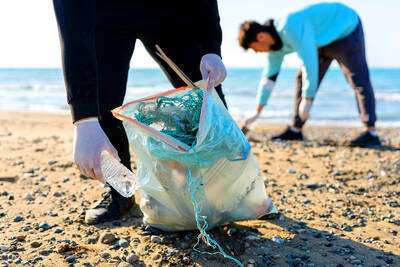
對話 Dialogue 清清:這個週末你有空嗎?要不要一起去淨灘? Qīngqīng: Zhège zhōumò nǐ yǒu kòng ma? Yào bú yào yìqǐ qù jìngtān? 華華:淨灘?你為什麼突然想參加這個活動? Huáhua: Jìngtān? Nǐ wèishéme túrán xiǎng cānjiā zhège huódòng? 清清:因為我看到新聞說,海邊的垃圾越來越多,對海洋生物影響很大。 Qīngqīng: Yīnwèi wǒ kàndào xīnwén shuō, hǎibiān de lèsè yuèláiyuè duō, duì hǎiyáng shēngwù yǐngxiǎng hěn dà. 華華:聽起來很有意義,不過會不會很累啊? Huáhua: Tīng qǐlái hěn yǒu yìyì, búguò huì bú huì hěn lèi a? 清清:可能會有一點累,可是如果大家一起做,就不會那麼辛苦。 Qīngqīng: Kěnéng huì yǒu yìdiǎn lèi, kěshì rúguǒ dàjiā yìqǐ zuò, jiù bú huì nàme xīnkǔ. 華華:也是,而且做完應該會很有成就感。 Huáhua: Yě shì, érqiě zuò wán yīnggāi huì hěn yǒu chéngjiù gǎn. 清清:對啊!不但可以運動,還可以保護環境。 Qīngqīng: Duì a! Búdàn kěyǐ yùndòng, hái kěyǐ bǎohù huánjìng. 華華:好,那我跟你一起去!算我一份。 Huáhua: Hǎo, nà wǒ gēn nǐ yìqǐ qù! Suàn wǒ yí fèn. 翻譯 Translation Qingqing:


 RSS
RSS