


NFT是繼區塊鏈(block chain)與加密貨幣(crypto currency)後的熱門話題,究竟什麼是NFT?想要和外國人聊這個話題時又需要知道哪些關鍵字呢?我們一起來看看。
什麼是NFT?
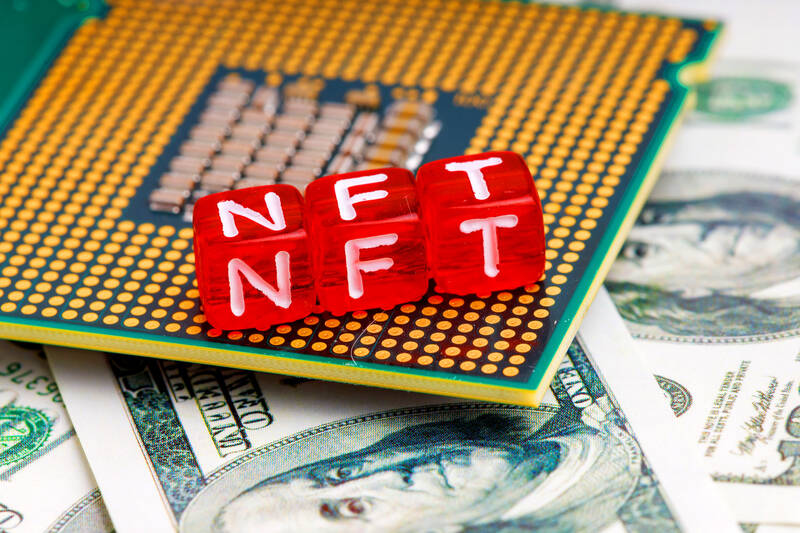
Photo courtesy of Unsplash 照片:Unsplash提供
NFT的全名是Non-fungible token,中文翻譯為「非同質化代幣」。fungible來自於經濟學中的fungibility(替代性),意思是「貨品或是人物具有可以直接與對方交換的特質。」簡單來說,NFT是將數位作品賦予獨一無二的代碼,因此當收藏家購買作品時,連同將代碼一起買下,所以即便買家擁有同樣的作品,例如圖片、影像等,也會因為代碼的不同,而被識別為不同作品。由於每個作品都擁有如同身分證明的代碼,便有了可被收藏、交易的價值。
目前NFT最多應用在圖片上,但也有聲音、影片、以及其他形式的創意作品。不過因為其獨特、無法交換的特性,目前NFT也已經開始作為其他物品產權的交換註記了。
In the beginning of 2022, the property right of a Florida house is minted into an NFT.
(在2022年初,佛羅里達州一間房子的產權被做成了NFT。)
token 代幣
token在生活中經常使用到,只要是描述所有實體的「代幣」,皆是用token,例停車場的代幣就是parking ticket token。而在職場與多益測驗中,token不是單純解釋為「代幣」,而是代表「表徵」,最常見的用法有token of appreciation/gratitude/good will/love。
Please accept this humble gift as a token of my appreciation.
(請收下這個小禮物,以表示我的感激之情。)
The action can be seen as a token of good will from the newly elected government.
(此舉可被視為新當選政府的善意表徵。)
這些NFT超紅
在台灣,與NFT相關的話題大多圍繞在哪些名人出了NFT,例如周杰倫發行的Phanta Bear NFT,或是知名足球選手梅西(Lionel Messi)與NBA球星柯瑞(Stephen Curry)發行自己的NFT。這類名人所發行的的NFT被統稱為celebrity NFTs。
「有名」的說法很多,例如來自於fame「名聲」的famous、來自於note「注意」的noted與notable,以及與celebrity「名人」相對應的celebrated、以及從know延伸而來的well-known與renowned。
The school is notable for its basketball team.
(這所學校以其籃球隊而聞名。)
Jerry is a celebrated professor.
(傑瑞是位聲名遠揚的教授。)
NFT 七個行話
1. 打招呼:
在NFT社群中,彼此打招呼會用GM或是GN表示Good morning或Good night。並以Ser表示Sir、Mam代表Madam,或用Fren表示friend。
2. FOMO(Fear of missing out):
許多人會買NFT的原因就是深怕錯過這波掏金潮,因此這樣的人也被稱做FOMOer。
3. OpenSea:
公海是一個網站(opensea.io)可以想成NFT的公開交易市場,所有NFT的持有者都可以在上面售賣NFT。但是因為是公開場域且幾乎沒有限制,所以在詐騙行為已層出不窮的NFT市場中,公海的交易更加需要謹慎小心。
4. delist:
字首「de-」是「去除」的意思,list是「名單」。因此delist就是代表將NFT從公海中「下架」。
5. rug pull:
rug是「小地毯」的意思,因此把小地毯拉起來的動作可以解釋為「捲舖蓋、跑路」。NFT世界中最常見的詐騙行為就是在開始販售之後捲款潛逃,就像是商販直接捲舖蓋跑路一般。
6. mint/burn:
NFT因為是token,所以使用了原本貨幣界的術語。mint當食物的時候指的是「薄荷」,但是在貨幣界中的意思是「鑄幣」,代表打造出一個NFT。burn則與mint相反,任何對原本NFT失去控制權的行為都可以用burn稱之。
7. floor price:
floor是「地板」的意思,因此「地板價」指的就是一個NFT的「最低價位」。
NFT近期也浮現出許多有關著作權問題,雖然任何人都能發行NFT,但目前沒有方法可以確認著作權是否屬於發行NFT的人,因此產生不少產權爭議。但即便如此,這個市場依然在去年讓許多投資者賺飽荷包。在可見的未來中,或許會有更多的科技創新與金融投資機會,而對於勇氣與眼光兼具的投資者而言,將成為一個獲利的市場。
【多益模擬試題】
1. The Ganges Restaurant is notable _____ its Indian cuisines.
(A) over (B) at (C) on (D) for
2. He was afraid of _____ fired after making that expensive mistake.
(A) be (B) was (C) being (D) to be
【解析】
1. 正解為(D)。句意為「恆河餐廳以其印度佳餚聞名。」notable不論是解釋為知名或是惡名昭彰的形容詞,後方接的都是「成因」,因此會使用介系詞for來表示。故(D)為正確答案。
2. 正解為(C)。句意為「他在犯了那個昂貴的錯誤之後很怕被開除。」of後方要加上名詞,所以動詞需要以動名詞(Ving)的形態出現。故(C)為正確答案。
SOURCE: https://www.englishok.com.tw/toeic/toeic-issue/nft
文章由 English OK 授權使用: www.englishok.com.tw
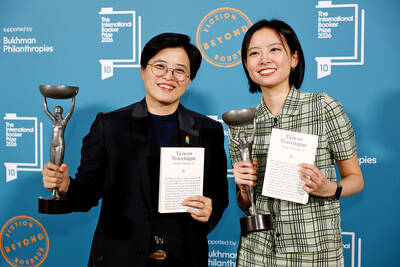
Taiwan Travelogue, the novel by Taiwanese author Yang Shuang-zi and translated into English by Lin King, won the prestigious International Booker Prize in London on May 19. It marks the first time a Taiwanese literary work has received the International Booker Prize, setting a historic milestone both for Taiwanese literature and for the award itself. Prior to this achievement, Taiwan had only once appeared on the Booker radar, when Taiwanese author Wu Ming-yi was longlisted for the Booker Prize in 2018 with The Stolen Bicycle. The International Booker Prize honors works of fiction translated into English and published in the UK or Ireland.
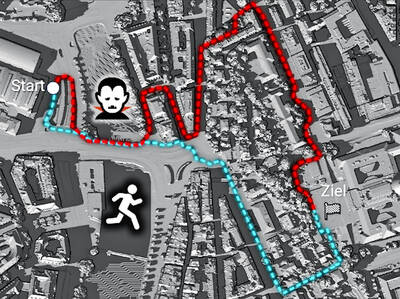
As climate change and urbanization push city temperatures higher, walking outdoors is becoming increasingly uncomfortable in many parts of the world, especially when prolonged time spent in sunlight is involved. As a result, outdoor lovers are now seeking cooler, shaded walking routes. However, most mainstream map apps still do not __1__ shaded footpaths. Enter routing.osm.ch — a Swiss web-based route planner that introduces a novel solution to this problem. Its “Vampire mode,” named after the legendary creatures’ fear of being __2__ natural light, was developed by a Swiss research team led by Professor Stefan Keller. The platform combines open data from

Cities around the world are testing “robotaxis,” hoping that autonomous vehicles will ease traffic and reduce emissions. However, recent analyses suggest these expectations may be overly optimistic. According to consulting firm Kearney, robotaxis could actually make congestion worse rather than better. Because self-driving rides are expected to be cheaper and more convenient than traditional taxis, more people may choose them over walking, biking, or using public transportation. This shift would put more cars on already crowded roads. Another concern is “deadheading,” which refers to robotaxis traveling without passengers between rides. Since autonomous fleets need to reposition themselves throughout the day, these

1. 該協會於全球九十個國家擁有逾一百萬名會員。 ˇ The association consists of over 1 million members in 90 countries. χ The association consists in over 1 million members in 90 countries. 註:consist of 是「由……組成」,而consist in是「在於」、「就是」,比較下列句子: Our department consists of three sections. Success consists in perseverance. Happiness consists in doing one’s duty. 2. 我們的任何錯誤將來都可能帶來麻煩。 ˇ Any mistakes on our part now may lead to problems later on. χ Any mistakes on our part now may lead into problems later on. 註:說「導致」、「引起」用lead to,如to lead to trouble,to lead to disaster,to lead to problems,to lead to something unpleasant等。表示「向某物內部的動向」可用into,如go into a room,to come into a building,to get into trouble等。 3. 這本書是E.M.福斯特的作品,不是喬治.歐威爾。 ˇ This book was written by E. M. Foster, not


 RSS
RSS