


A law banning plastic packaging for large numbers of fruits and vegetables has come into force in France as of New Year’s Day, to end what the government has called the “aberration” of overwrapped carrots, apples and bananas, as environmental campaigners and exasperated shoppers urged other countries to do the same.
Emmanuel Macron has called the ban on plastic packaging of fresh produce “a real revolution” and said France was taking the lead globally with its law to gradually phase out all single-use plastics by 2040.
Spain will introduce a ban on plastic packaging of fruit and vegetables from 2023. For years, international campaigners have said unnecessary plastic packaging is causing environmental damage and pollution at sea.
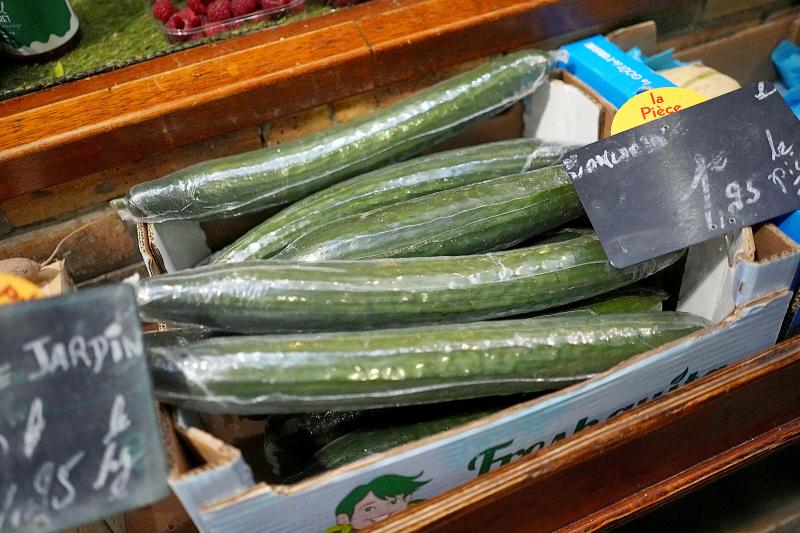
Photo: AP 照片:美聯社
From New Year’s Day, France bans supermarkets and other shops from selling cucumbers wrapped in plastic, and peppers, courgettes, aubergines and leeks in plastic packaging. A total of 30 types of fruit and vegetables are banned from having any plastic wrapping, including bananas, pears, lemons, oranges and kiwis.
Packs over 1.5kg are exempt, as well as chopped or processed fruit. Some varieties, including cherry tomatoes or soft fruits such as raspberries and blueberries, are given longer for producers to find alternatives to plastic, but plastic packaging will be gradually phased out for all whole fruits and vegetables by 2026.
With an estimated 37 percent of fruit and vegetables sold wrapped in plastic packaging in France in 2021, the government believes the ban will cut more than 1bn items of single-use plastic packaging a year. The environment ministry said there must be curbs on the “outrageous amount of single-use plastic in our daily lives.”
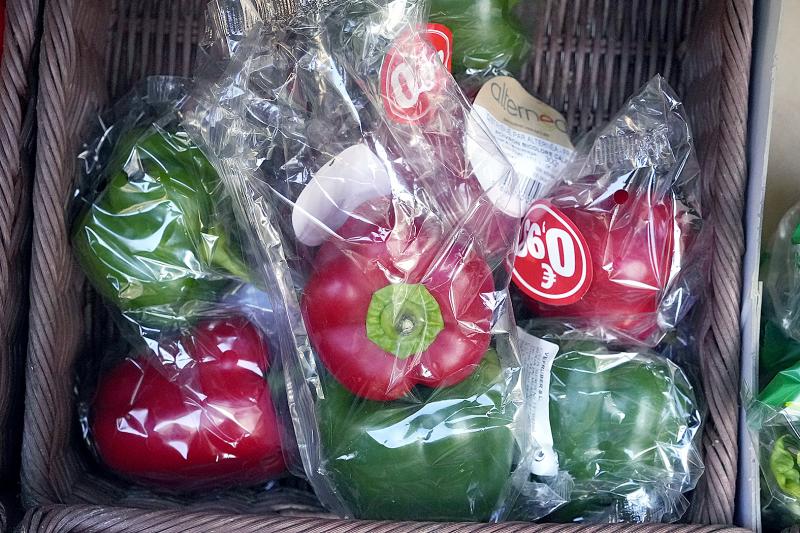
Photo: AP 照片:美聯社
Fruit and vegetables wrapped in layers of plastic have exasperated consumers not only in France but neighboring countries. Nearly three-quarters of British people have experienced “anxiety, frustration or hopelessness” at the amount of plastic that comes with their shopping and 59 percent think supermarkets and brands are not doing enough to offer refillable, reusable or packaging-free products, according to a poll commissioned by Friends of the Earth and City to Sea in June last year.
(The Guardian)
法國一項於元旦生效的法律,禁止多種水果及蔬菜以塑膠包裝,讓政府所說的胡蘿蔔、蘋果與香蕉過度包裝的「脫軌現象」畫下句點。環保人士與惱怒的顧客也敦促其他國家採取同樣的措施。
法國總統艾曼紐‧馬克宏將生鮮蔬果的塑膠包裝禁令稱為「一場真正的革命」,他說法國領先全球制定了法律,要在二○四○年前逐步淘汰所有的一次性塑膠。
西班牙將從二○二三年起,禁止使用塑膠包裝水果及蔬菜。國際倡議人士多年來不斷表示,不必要的塑膠包裝正造成環境破壞及海洋污染。
法國自元旦起禁止超市等商店銷售以塑膠包裹的黃瓜,以及用塑膠包裝的甜椒、櫛瓜、茄子與韭蔥。禁止使用任何塑膠包裝的共有三十種水果及蔬菜,包括香蕉、梨子、檸檬、柳橙與奇異果。
一點五公斤裝以上的蔬果,以及切成小塊或加工過的水果,則不受此限塑令規範。一些品種,包括櫻桃番茄,或是軟水果例如覆盆子及藍莓,其生產商可有較多的時間尋找塑膠替代品,但到了二○二六年,所有水果及蔬菜的塑膠包裝都將逐步淘汰。
二○二一年在法國販售的水果及蔬菜,有百分之三十七是以塑膠包裝;法國政府據此估計,此禁塑令每年將減少十億件以上的一次性塑膠包裝。法國環境部表示,「我們日常生活中對一次性塑膠毫無節制的使用」必須加以約束。
將水果及蔬菜以塑膠層層包裹,惹惱的不只是法國人,還有鄰近國家的消費者。去年六月由環保組織「地球之友」與「城市至海」所委託進行的一項民意調查發現,近四分之三的英國人對購物時用到的塑膠數量感到「焦慮、無力或絕望」,百分之五十九的人認為超市及品牌在提供可填充、可重複使用或無包裝產品方面做得不夠。
(台北時報林俐凱編譯)
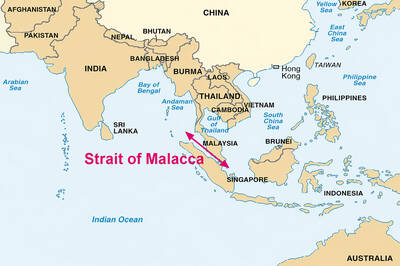
The closure of the Strait of Hormuz has forced policymakers in Asia to face questions over the security of other maritime chokepoints, including the Strait of Malacca, which is the world’s busiest waterway for international trade. WHAT IS THE MALACCA STRAIT? The 900km long Malacca Strait, bounded by Indonesia, Thailand, Malaysia and Singapore, provides the shortest sea route from East Asia to the Middle East and Europe. It carries nearly 22 percent of the world’s maritime trade, according to the Center for Strategic and International Studies (CSIS). This includes oil and gas shipments from the Middle East to the energy-hungry economies of China,
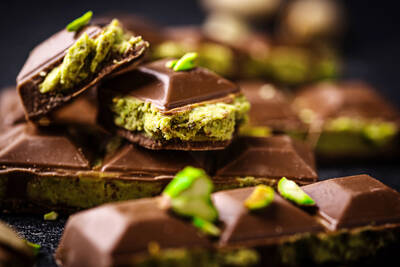
One reason pistachios have taken the food world by storm compared to other nuts is their soft, green color. When ground down into a cream or butter, the green hue __6__ nicely with golden pastries or dark-brown chocolate, making it perfect for Instagram photos and TikTok videos. Their labor-intensive cultivation and __7__ also contribute to their image as a premium ingredient. Thus, buying a pistachio-based product often feels like a __8__ treat. Pistachios also stand out for their distinct flavor and health __9__. They have a subtle, sweet, earthy flavor that goes well with both sweet desserts and

Cameras are everywhere — in our pockets, on our walls and even in space. They capture emotions, preserve history and reflect culture. Through these devices, photography is now essential to modern life, influencing how we perceive ourselves and the world. To understand the root of their power, let’s explore the camera’s remarkable journey. The story begins with the camera obscura, a dark room with a tiny hole. Light passing through the opening projected an inverted image on the opposite wall. Renaissance artists used this principle to paint accurate scenes. However, these images couldn’t be preserved as photographs. That changed

A: This year’s two most anticipated films have finally hit theaters in Taiwan. “Michael” premiered last Wednesday, while “The Devil Wears Prada 2” premiered this Wednesday ahead of its global release. B: Isn’t “Michael” the biopic about the late King of Pop Michael Jackson? A: Yup, it tells the story of Michael’s legendary life, from child star to global icon. And the role is in fact played by his nephew, Jaafar Jackson. B: Michael caused a sensation when touring Taiwan twice in 1993 and 1996. His classic hits, dance moves and music videos reshaped global pop culture at that time. A: I’m gonna


 RSS
RSS