


Where should you take used dry batteries for recycling? The Environmental Protection Administration (EPA) is launching a recycling campaign during which customers shopping at 7-Eleven, FamilyMart and TSC Million convenience stores or Far Eastern A.Mart superstores will get a discount when they take in used batteries to recycle. Every 0.5kg of used batteries will be rewarded by an NT$11 discount at the checkout. The program will run at more than 10,000 stores across Taiwan from Sept. 8 to 21.
Waste dry batteries contain heavy metals such as iron, manganese and zinc. If disposed of arbitrarily, they will pollute the environment, but if they are properly recycled, they can be reused in industrial processes.
Hsieh Ping-hui, executive secretary of the EPA’s Recycling Fund Management Board (RFMB), says that about 11,000 tonnes of dry batteries are used each year in Taiwan, but only about 4,000 tonnes of them are recycled. This puts the recycling rate at about 40 percent, which still leaves room for improvement.
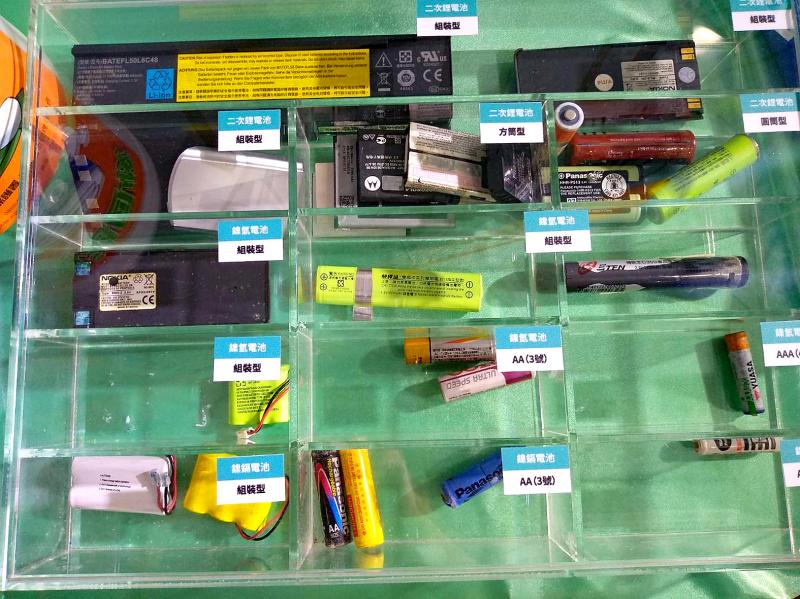
Photo: Liu Li-jen, Liberty Times 照片:自由時報記者劉力仁
RFMB deputy executive secretary Wei Wen-yi says that many people do not know where to take batteries for recycling. She says that “batteries can be recycled wherever they are bought.” For example, there are recycling services available in convenience stores, supermarkets and superstores. Cleaning squads’ recycling trucks and local communities’ recycling stations also provide regular service in recycling waste dry batteries, as do chain drugstores that sell dry batteries, wireless communication equipment stores, telecommunications equipment stores and photographic equipment stores.
Wei also reminds the public that when batteries can no longer power high-power electric appliances, they are not completely dead or unusable. In fact, they still work at “reduced level” in low-power devices such as alarm clocks and remote controls before their electricity completely runs out.
(Translated by Lin Lee-kai, Taipei Times)
用過的乾電池要去哪回收?環保署推出廢乾電池加碼回收活動,九月八日至二十一日,到統一超商、全家便利商店、台糖蜜鄰超市、愛買量販店全國一萬多個據點,每零點五公斤廢乾電池可折抵當次消費十一元。
廢乾電池含有重金屬鐵、錳、鋅等,若任意棄置,會污染環境,但如果妥善回收,可回到產業製程循環再利用。
環保署資源回收管理基金管理委員會執行秘書謝炳輝指出,我國每年約使用一萬一千公噸乾電池,但獲得回收僅約四千公噸,回收率維持在四成左右,仍有進步空間。
回收基管會副執秘魏文宜表示,許多民眾不知道電池要拿去哪裡回收,她強調「哪裡買電池,哪裡就可以回收」,例如便利商店、超市或量販店都有回收服務;另外如清潔隊資源回收車、村里資源回收站,以及販售乾電池的連鎖藥妝店、無線通訊器材行、各電信門市及攝影器材行等販售點,也都有常態協助回收廢乾電池。
她也提醒民眾,電池在高耗電電器用品中無法使用時,並非真的沒電可用了,其實還可先「降階使用」,將電池換到鬧鐘、遙控器等低耗電產品繼續使用。
(自由時報記者羅綺)
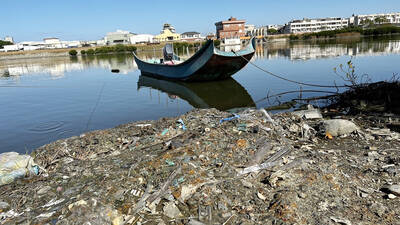
Many consumers are guilty of filling drawers or closets with old laptops, cellphones, fitness trackers and other electronic devices once they are no longer needed. It’s hard to know where to recycle such items, or it seems costly and inconvenient to do so. The world generates millions of tons of electronic waste — also called e-waste — each year. According to the UN’s most recent estimate, people worldwide produced 62 million metric tons of e-waste in 2022, and only about 22 percent of it was properly recycled. The US’ Environmental Protection Agency estimates that less than a quarter of e-waste is
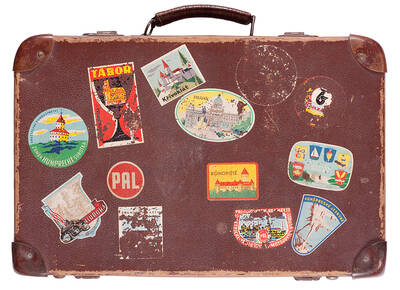
Travel fever is back, and it’s contagious. After years of being kept home during the COVID-19 pandemic, people are once again eager to explore the world. Rather than just book any trip, travelers are getting smarter about how they scratch that travel itch. Microcation Defined as four days or fewer and over 160km away from home, the microcation perfectly matches the post-pandemic mindset. After long periods of remaining indoors, people are making up for lost time by taking short, frequent getaways throughout the year. These brief trips avoid the work-life imbalance that comes with long absences. With only a few days away, one’s
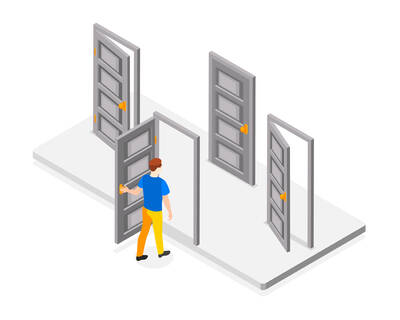
You’re sitting in class when a classmate asks to borrow a pencil. It seems like a small favor, so you agree without hesitation. The following week, the same classmate asks to share your notes. Later, they request help with a group project. You agree each time — after all, you helped out the first time — but before you know it, it has become automatic. This scenario demonstrates the “foot-in-the-door technique,” a psychological concept that shows how agreeing to small, acceptable demands makes it easier to accept larger ones later on. The name for this strategy comes from door-to-door

Continued from yesterday(延續自昨日) https://www.taipeitimes.com/News/lang Gig Tripping “Gig tripping” combines concerts with travel. People fly to see their favorite artists perform — usually abroad—and spend a few days sightseeing before or after the show. While die-hard fans have done this since the 1960s, the post-pandemic travel boom changed the game. Even people who aren’t superfans are now booking international concert trips because they want to make the most of travel opportunities. This trend exploded in the US, as the math makes sense. Domestic concert tickets are so costly that flying abroad for the show plus tourism expenses often matches or even beats the price


 RSS
RSS